How to Clean a Ceramic Stove Top Safely and Effectively
Cleaning a ceramic glass cooktop requires care to preserve its smooth surface while removing stuck-on residue. This guide provides practical, step-by-step instructions and safe products to use, tailored for American kitchens and typical household routines.
By following these steps, you can maintain a spotless, streak-free cooktop that looks new longer, without risking scratches or damage.
Quick Answer
For quick cleaning: detach loose debris, wipe with a damp microfiber cloth, apply a small amount of non-abrasive cleaner, and use a ceramic glass cooktop scraper with replaceable blades for stubborn spots. Finish with a clean microfiber cloth for a streak-free shine.
What You’ll Need
- Ceramic glass cooktop scraper with replaceable blades 6 inch
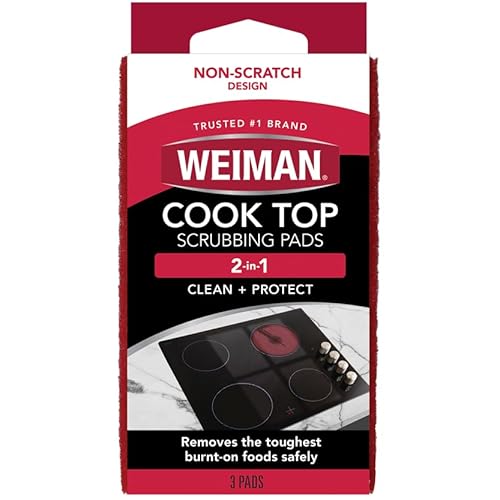
- Non-scratch nylon scrub pad for glass stove top 3 inch
- Microfiber cleaning cloth set for ceramic cooktop glass top


Before You Start
Before cleaning, ensure the stove is completely cool to avoid burns and surface damage. Remove any cookware and wipe loose crumbs with a dry cloth. Use a gentle, non-abrasive cleaner designed for ceramic cooktops. Avoid abrasive powders, steel wool, and bleach-based cleaners, which can scratch or dull the surface. Time estimate: 10–20 minutes for a typical cleaning session.
Step-By-Step: How To Clean A Ceramic Stove Top
- Allow the stove to cool completely, then remove loose debris with a dry microfiber cloth.
- Wipe the surface with a damp microfiber cloth to lift light residue.
- Apply a small amount of non-abrasive ceramic cleaner or mild dish soap diluted in water to a clean cloth.
- Gently rub in circular motions to dissolve film and burnt-on residue; avoid aggressive scrubbing.
- Use the ceramic glass cooktop scraper for stubborn spots. Hold it at a slight angle and glide over the residue; replace blades as needed for consistency.
- Wipe away loosened grime with a damp cloth, then use a new microfiber cloth to buff the surface to a shine.
- For fine streaks, buff with a dry microfiber cloth in a final pass.
- Finish by inspecting for any remaining residue and repeating steps if necessary.
Troubleshooting
| Symptom | Likely Cause | Fix | Prevention |
|---|---|---|---|
| Streaks after cleaning | Residue left from cleaner | Use a clean, damp cloth to remove residue, then buff with dry cloth | Rinse with water and wipe with microfiber cloth |
| Scratches appearing | Using abrasive cleaner or rough pad | Stop using abrasive pads; switch to non-scratch nylon pad | Only use recommended cleaners for ceramic glass |
| Burnt-on spots persist | Hard residue baked on | Soak with a small amount of cleaner, then gently scrape with the 6 inch scraper | Clean promptly after cooking to prevent buildup |
| Blotchy finish after drying | Leftover cleaner or improper drying | Buff with dry microfiber; ensure surface is dry before storage | Dry thoroughly after each clean |
Common Mistakes
- Using abrasive powders or steel wool on a ceramic glass cooktop
- Letting cleaners sit too long before wiping off
- Rubbing vigorously when residue is soft, which can cause micro-scratches
- Failing to cool the surface completely before cleaning
Tips For Best Results
- Do a light daily wipe with a damp microfiber cloth to prevent buildup.
- Always use a dedicated ceramic glass cooktop cleaner or mild dish soap for routine cleaning.
- Keep the scraper blade sharp and replace blades as needed to maintain effectiveness.
- Store cleaning tools away from heat sources to avoid deformation and wear.
Call A Professional
Seek professional help if the surface shows deep pitting, significant cracking, or persistent staining that doesn’t respond to gentle cleaning. If you notice heat switch malfunction or electrical concerns around the cooktop, contact a licensed technician.
FAQ
Can I use vinegar on a ceramic cooktop?
Yes, diluted vinegar can be used as a mild cleaner, but avoid strong acetic acid concentrates that may dull the surface over time.
Is it safe to use a scraper on a ceramic glass top?
Yes, but only use a dedicated ceramic glass scraper and keep the blade at a low angle to prevent scratches.
Should I use hot water for cleaning?
Use cool to lukewarm water; extremely hot water can cause thermal shock and damage to the surface.
How often should I deep-clean the cooktop?
Deep cleaning every 1–2 weeks, or when heavy spills occur, helps prevent buildup and keeps the surface smooth.
Can I use bleach on the surface?
Bleach should be avoided; it can dull the finish and is not ideal for ceramic glass cooktops.
What cleaners are best for glass-ceramic tops?
Non-abrasive cleaners specifically labeled for ceramic glass or mild dish soap work well for routine cleaning.
How can I prevent future buildup?
Wipe spills promptly, use lids to minimize splatter, and opt for simmer settings on sugary foods to prevent caramelized residues.
Buying Guide
When choosing cleaning tools for a ceramic stove top, consider size, material, and compatibility with your cooking surface. A ceramic glass cooktop scraper with replaceable blades is essential for stubborn spots, while a non-scratch nylon scrub pad helps lift grime without scratching. A microfiber cleaning cloth set ensures a streak-free finish and quick detailing. For best results, select tools that are specifically labeled safe for glass-ceramic surfaces and include gentle, non-abrasive textures. Consider your stove top’s size and the typical mess—larger scrapers for wide areas and smaller pads for edges. Ensure blades are replaceable to extend usability, and verify that cloths are machine washable for repeated use. Placement in a convenient cabinet or near the stove facilitates quick touch-ups after cooking. A compact, dedicated kit can simplify regular maintenance and prolong the life of the surface.
Leave a Reply