How to Clean a Ceramic Coated Car
A ceramic coating can protect a vehicle’s finish while enhancing color and depth. Proper cleaning preserves the coating’s hydrophobic properties and extends its life. This guide walks through safe, effective steps for American car owners working with common ceramic coating products and tools.
Quick Answer
Use a dedicated ceramic coating car wash or a pH-neutral shampoo, gently wash with a microfiber wash mitt, dry with a microfiber towel, and apply a maintenance spray if needed. Avoid abrasive cleaners or high-pressure jets that can etch the coating. Regular, light cleaning beats heavy scrubs for longevity.
What You’ll Need
- Microfiber wash mitt ceramic coating car detailing
- Ceramic coating maintenance spray microfiber towel kit
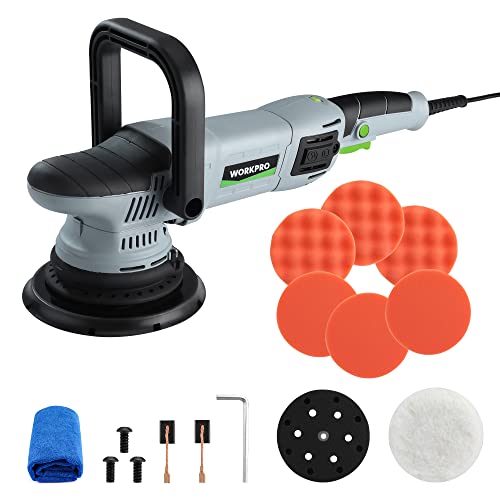
- Dual action polisher kit with foam pads for ceramic coating care


Before You Start
Prepare a shaded work area and cool panels. Rinse to remove loose dirt before washing. Use a two-bucket method with a grit guard to minimize scratches. Do not wash in direct sun or on hot surfaces; heat can weaken the coating and cause water spots.
Step-By-Step: How To Clean A Ceramic Coated Car
- Rinse the car thoroughly to remove loose dirt and debris.
- Fill a bucket with clean, pH-neutral car wash solution recommended for ceramic coatings.
- Dip the microfiber wash mitt and wash from top to bottom using light, straight strokes.
- Rinse the mitt frequently in the second bucket to avoid dragging contaminants across the paint.
- Dry the surface with a clean microfiber towel, blotting rather than dragging to minimize streaks.
- If you notice water spots, use a maintenance spray with a microfiber towel to boost hydrophobic properties and ease drying.
- Inspect panels for remaining contaminants and rewash any areas as needed.
- Wipe down trim and polished areas carefully to prevent streaking on the coating.
- Store tools in a clean, dry place to prevent contamination before the next wash.
Troubleshooting
| Symptom | Likely Cause | Fix | Prevention |
|---|---|---|---|
| Water beads poorly after wash | Contaminants on wash mitt or water line | Deep clean mitts; use fresh wash solution | Rinse mitt often, replace solution regularly |
| Streaks on panels | Improper drying technique or residue | Dry with a clean microfiber towel; ensure solution is pH-neutral | Dry each panel completely |
| White haze on trim | Coating interaction with cleaners | Wipe trim separately with appropriate product | Avoid mixing products on trim and paint |
| Fast water spotting | Sun exposure or hard water | Wash in shade; use filtered water if possible | Dry promptly after washing |
Common Mistakes
- Using harsh detergents or abrasive scrubbers that can dull the coating.
- Washing in direct sunlight or on hot panels, which can cause water spots and streaks.
- Forgetting to pre-rinse or rushing the drying step, leading to micro-scratches.
Tips For Best Results
Work in sections to avoid water spots and ensure even coverage with a maintenance spray if needed. Use a dedicated microfiber towel for drying and a separate one for any polish or spray steps. Regularly inspect edges and seams where dirt can accumulate, and lightly re-wipe those areas as part of routine maintenance.
Call A Professional
Consider a pro if you notice yellowing or rainbow halos around reflections, persistent hazing, or damage from improper cleaning. Seek a detailer with experience in ceramic coatings and an approved maintenance protocol. Stop and consult a professional if a new coating has been recently applied and you’re unsure about the cleaning regime.
FAQ
What kind of soap should I use for ceramic coatings?
Use a pH-neutral car wash soap formulated for ceramic coatings to preserve gloss and durability.
Can I use a pressure washer to clean my ceramic-coated car?
Avoid high-pressure jets directly on panels; use a gentle rinse to prevent forcing water under seals.
How often should I wash a ceramic-coated car?
Washing every 1–2 weeks is typically sufficient, depending on environment and driving conditions.
Is a maintenance spray necessary?
Not always, but a maintenance spray can refresh hydrophobic properties and speed up drying between washes.
Do I need to reapply the coating after cleaning?
Cleaning does not replace the coating; reapplication is only needed if the coating shows significant wear or has been compromised.
Can I use a dedicated polisher for ceramic coating care?
Yes, a dual action polisher with appropriate foam pads can support light polish and prep work when advised by the coating manufacturer.
Buying Guide
When selecting products and tools for cleaning a ceramic coated car, consider factors that affect performance and ease of use. Size matters for coverage and maneuverability, especially in tight areas. Noise level from polisher kits can influence comfort during larger detailing sessions. Energy efficiency isn’t typically a concern for consumer cleaning gear but choosing durable, long-lasting tools saves money over time. Look for controls that are intuitive and compatible with your coating system, and plan storage and placement to keep gear clean and organized. A well-minated kit can simplify routine maintenance and help preserve the coating’s gloss and protection for years.
Leave a Reply