How to Clean Cellular Blinds Safely and Effectively
Cellular blinds, also known as honeycomb blinds, are prized for their energy efficiency and light control. Regular cleaning helps maintain their appearance and function. This guide explains practical, step-by-step methods to clean cellular shades without damaging their delicate fabric or altering their shape. The emphasis is on gentle techniques and identified tools to keep blinds looking fresh year-round.
Quick Answer
Best overall approach: gently dust, use a vacuum with a soft brush attachment for deeper cleaning, and spot-clean only when necessary. For a thorough refresh, use a dedicated cleaning tool such as a cellular shades cleaning brush or honeycomb blinds dusting mitt to lift dirt without pressing the fabric. Avoid soaking the blinds and always test a small area first.
What You’ll Need
- Soft microfiber cloths or dusting mitts
- Vacuum with a cellular blinds vacuum attachment or a brush
- Gentle, mild soap or a dedicated blind cleaner
- Water in a spray bottle (optional for spot cleaning)
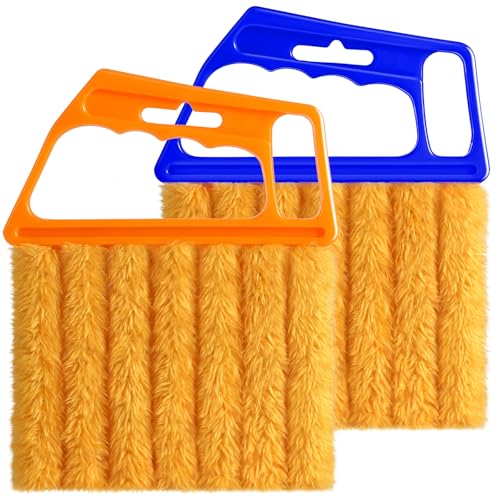
- cellular shades cleaning brush for deep cleaning


Before You Start
Prepare a clean, dust-free workspace. Lower the blinds fully to access both sides. If possible, remove the blinds from the headrail for a deeper clean, following the manufacturer’s instructions. Protect delicate fabric corners and avoid harsh chemicals that can degrade the material or affect color. Allow blinds to dry completely before re-hanging.
Step-By-Step: How To Clean Cellular Blinds
- Close the blinds to expose the top and bottom edges, then gently dust the surface with a microfiber cloth to remove loose dust.
- Use a honeycomb blinds dusting mitt or a soft microfiber duster to reach the fabric valleys without flattening the cells.
- Attach a cellular blinds vacuum attachment to a vacuum and use a low suction setting to lift embedded dust from both sides.
- For stubborn spots, mix a small amount of mild soap with water in a spray bottle and lightly mist a clean cloth. Gently wipe affected areas without soaking the fabric.
- Work from top to bottom, ensuring no excess moisture reaches the cords or mechanisms. Avoid saturating the fabric to prevent distortion.
- Use a cellular shades cleaning brush to comb along the folds, lifting dust away from the pleats.
- If a full wash is necessary, opt for a shallow wipe with a damp cloth, then immediately dry with a clean, dry microfiber cloth to prevent water spots.
- Let the blinds air-dry completely before lowering or re-hanging to maintain their shape and fabric integrity.
Troubleshooting
| Symptom | Likely Cause | Fix | Prevention |
|---|---|---|---|
| Streaks or water marks | Moisture pooling | Wipe with a dry cloth and let dry completely | Avoid over-wetting during cleaning |
| Fading color | Harsh cleaners | Switch to mild soap or blind-safe cleaner | Test a small area first |
| Fabric sagging or bent cells | Excess moisture or pressure | Careful blotting and avoid squeezing | Clean gently and dry thoroughly |
| Dust buildup on cords | Dusty environment | Dust with a soft brush or vacuum attachment | Regular light cleaning |
Common Mistakes To Avoid
- Don’t soak cellular blinds or immerse them in water; moisture can warp cells and shrink fabric.
- Avoid abrasive sponges or strong chemical cleaners that can damage color and texture.
- Don’t scrub with heavy pressure; cellular fabrics are delicate and require gentle handling.
- Avoid direct heat sources while drying; this can cause warping or stiffness.
Tips For Best Results
- Dust blinds weekly with a microfiber cloth or honeycomb-specific cleaning tool to prevent buildup.
- Rotate or flip blinds occasionally to ensure even cleaning on both sides.
- When cleaning, work in sections to avoid drying times that can trap dirt in folds.
- Use a dedicated cellular shades cleaning brush for thorough lifting of dust from creases.
- Store away products with harsh solvents; opt for mild, fabric-safe solutions.
Call A Professional
Consider professional service if blinds are heavily stained, fabric is visibly damaged, or cleaning requires removal of the shade from the window. If cleaning reveals frayed cords, broken ladders, or malfunctioning operating systems, stop and contact a professional. Severe warping, mold growth, or persistent staining may require expert assessment.
FAQ
Can I clean cellular blinds with water?
Lightly damp cleaning is acceptable, but avoid soaking to prevent warping and cell damage.
What’s the best tool for cleaning cellular blinds?
A combination of a cellular shades cleaning brush and a cellular blinds vacuum attachment provides thorough results without over-wetting.
How often should I clean cellular blinds?
Dust weekly and perform a deeper clean every 4–6 months, or as needed in dusty environments.
Is it safe to use alcohol or ammonia-based cleaners?
No; such cleaners can degrade fabric color and weaken the material. Use mild, blind-safe cleaners.
Can I remove stains from the fabric?
Spot-clean with a mild soap solution and a soft cloth; avoid scrubbing, which can distort the shape.
Are cellular blinds more prone to mildew in humid areas?
Yes, humidity can promote mildew. Ensure thorough drying after cleaning and maintain good room ventilation.
Should I clean from the top or bottom first?
Begin from the top and work downward to prevent re-soiling already cleaned areas.
Buying Guide
When selecting cleaning tools and replacements for cellular blinds, consider size, noise level, and compatibility with the fabric type. Here are key buying factors to help you compare options:
- Size and fit: Ensure replacement parts or tools match your blind dimensions and mounting style.
- Cleaning efficiency: Look for attachments designed for delicate honeycomb fabrics, such as a soft brush or dedicated cleaning mitt.
- Ease of use: Tools that require minimal setup save time during routine cleaning.
- Material safety: Choose gentle cleaners and fabric-safe tools to protect color and texture.
- Maintenance frequency: Invest in tools that facilitate quick weekly dusting and occasional deep cleans.
- Compatibility with existing hardware: Ensure any vacuum attachment or brush works with your vacuum model and does not interfere with cords or ladders.
- Storage and organization: Compact tools are easier to keep near windows for regular upkeep.
For most households, a combination of a cellular shades cleaning brush, a honeycomb blinds dusting mitt, and a cellular blinds vacuum attachment provides a balanced, effective cleaning setup. Consider your environment—dusty homes or high-humidity rooms may benefit from more frequent light cleaning and quicker-drying methods.
Leave a Reply