How to Clean Catfish Skin
Catfish skin cleaning is a quick, practical skill for anglers and home cooks alike. Properly prepared skin helps you get clean fillets with minimal waste and makes subsequent cooking easier. This guide outlines a reliable workflow, recommended tools, and common fixes to keep your catfish fillets in top shape.
Whether you are preparing catfish for frying, grilling, or baking, understanding how to clean skin efficiently saves time and preserves meat quality. The steps below cover equipment options that are commonly found in American kitchens and fishing setups, helping you select the right tools for clean, safe work.
Quick Answer
Fast method: Rinse the fish, scale if needed, remove fins, and work the skin away from the flesh with a sharp knife. Use a fish skinning knife or a fillet knife to peel the skin, then trim any remaining membranes. Finish with bone tweezers to remove pin bones. Start at the tail and peel toward the head for best control.
What You’ll Need
- Catfish fillet knife stainless steel 7 inch
- Fish skinning knife outdoor fishing 6 inch
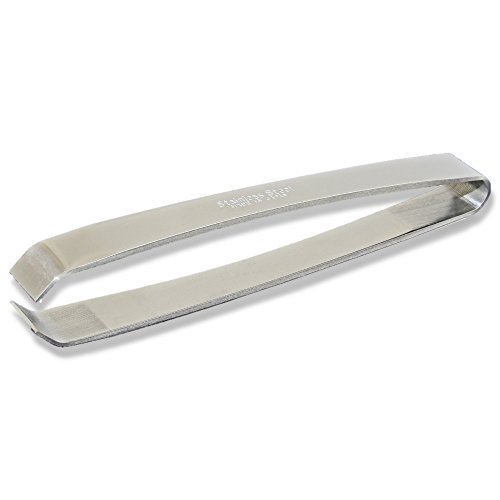
- Fish bone tweezers stainless steel for filleting


Before You Start
Set up a clean workspace with a stable cutting board and ample lighting. Keep a bottle of cold water for rinsing and a towel within reach. Ensure your knives are sharp; a dull blade increases flesh damage and skin tearing. Wear cut-resistant gloves if you’re new to skinning. Time management matters: allocate 10–15 minutes per fish for skinning and trimming, depending on size and technique.
Safety note: Use a non-slip mat under the board to prevent slips. Work away from children and pets. If the fish exhibits strong odor or signs of spoilage, do not proceed.
Step-By-Step: How To Clean Catfish Skin
- Rinse the catfish under cold, running water to remove slime and debris. Pat dry with a clean towel.
- Remove the head and fins if desired, then scale the skin only if scales remain. Use a scale scraper or the back of the knife to gently lift scales.
- Place the fish on the cutting board with the belly down. Make a shallow cut along the backbone to expose the skin-to-meat seam.
- Starting at the tail, grip the skin with your non-dominant hand and insert the knife tip between skin and flesh at a shallow angle.
- Grow a controlled seam by moving the knife forward, gradually peeling the skin away from the flesh toward the head. Keep the blade angled slightly downward to protect the meat.
- As the skin loosens, pull it taut with the other hand to prevent tearing. Stop once most of the skin is removed from the fillet.
- Inspect the fillet for any remaining membranes or scales. Use the knife to remove thin membranes and the tweezers to pluck out pin bones along the centerline.
- Trim any uneven edges and rinse the fillet lightly to remove residue. Pat dry before cooking or freezing.
- For skin-on fillets, repeat the process on the other side. If you prefer skinless fillets, flip and skin the second side as described.
- Store skinned fillets on ice or refrigerate promptly. Use within 1–2 days for best quality.
- Clean and dry knives, then store them safely to maintain sharpness for the next use.
Troubleshooting
| Symptom | Likely Cause | Fix | Prevention |
|---|---|---|---|
| Skin tears away with flesh | Blade angle too steep or skin too tight | Hold blade shallow and pull skin taut | Use proper technique and a sharp knife |
| Fish meat sticks to blade | Residue buildup or dull blade | Rinse blade frequently; sharpen if needed | Keep blade sharp; clean between steps |
| Scales remain after processing | Scales weren’t fully removed | Rescan with scale side of knife and wipe clean | Scale before skinning if required |
| Pins bones left after filleting | Centerline bones not removed | Use bone tweezers to pluck bones | Check for bones along length of fillet |
Common Mistakes
- Skimping on knife sharpness; dull blades cause tearing
- Rushing at the head area, leading to rough cuts
- Forgetting to rinse and chill the fish promptly
- Neglecting bone removal, which can affect texture during cooking
- Ignoring safety: skipping gloves or stable cutting surface
Tips For Best Results
- Keep the fish cold during skinning to maintain firm flesh.
- Choose knives with a flexible, sharp edge designed for skinning.
- Work with a clean, dry surface and wipe the blade frequently.
- Angle the blade slightly toward the skin to minimize flesh loss.
- Practice on smaller fish to build confidence before larger catches.
Call A Professional
Consider a professional if you encounter persistent skin tearing, unusual odor, or if you are skinning large quantities for canning or processing. Seek expert help when handling questionable fish, when requirements demand high-volume prep, or if you lack the proper tools or workspace.
FAQ
What is the best knife for cleaning catfish skin?
A sharp, flexible knife such as a catfish fillet knife stainless steel 7 inch or a fish skinning knife outdoor fishing 6 inch provides good control for separating skin from flesh.
Should I scale the catfish before skinning?
Scaling is optional and depends on your preference. If scales remain, remove them gently before skinning to prevent rough texture.
Can I skin catfish without bone tweezers?
Yes, but tweezers help remove pin bones more reliably. Pluck bones along the centerline after skinning for a smoother fillet.
How do I store cleaned catfish fillets?
Wrap fillets in airtight packaging and refrigerate for 1–2 days, or freeze for longer storage. Label with date for easy tracking.
Is it safer to skin catfish with the skin on or off?
Skinning with the skin on is common for many preparations; skin-off fillets cook evenly with less resistance when pan-frying or baking.
Do I need to rinse fillets after skinning?
Light rinsing to remove surface slime and residue is fine, followed by patting dry before cooking.
Buying Guide
When choosing tools for catfish skin cleaning, focus on a few key factors. Size matters: a 6-inch skinning knife can offer excellent control for smaller fish, while a 7-inch fillet knife provides reach for larger fillets. Noise level isn’t usually a factor, but the construction quality and blade steel determine longevity and sharpness, which affect performance over time. Energy and efficiency come from choosing ergonomic handles and balanced weight to reduce hand fatigue during longer sessions. Consider blade flexibility, edge retention, and ease of sharpening. For placement, a stable, clean cutting area with proper lighting improves accuracy and reduces accidents. Compare sets that include a 7-inch fillet knife, a 6-inch skinning knife, and stainless steel bone tweezers to cover all steps from skin removal to bone removal. Think about whether you’ll skin at the boat, the dock, or at home, and select tools suited to that workflow. Reading product reviews and considering warranty coverage can help you choose reliable, safe equipment for catfish skin cleaning.
Leave a Reply