How to Clean Cat Urine From Wood Floors
Cat urine on wood floors can cause odor, staining, and lingering moisture if not handled promptly. This guide provides practical steps to remove both the smell and visible residue while protecting the wood finish. By following a clear process and using the right supplies, homeowners can restore wood floors to a clean, fresh condition.
Quick Answer
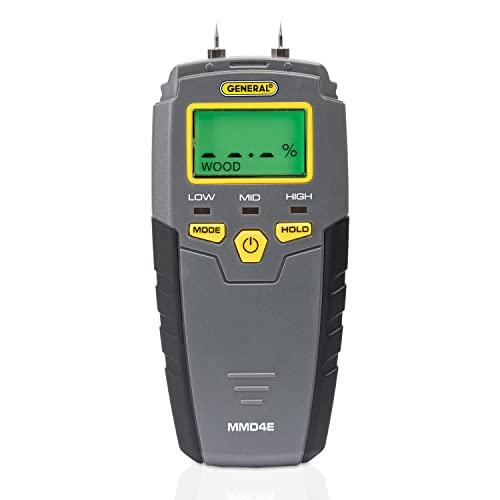
Act quickly to blot up urine, use an enzyme cleaner designed for pet urine on wood floors, and avoid ammonia-based cleaners which can attract the cat back to the spot. Use a moisture meter to confirm the area is dry, and recheck after cleaning to ensure odors are gone.
What You’ll Need
- Enzyme cleaner for pet urine wood floors 32 oz
- UV flashlight pet urine detector for wood floors
- Wood floor moisture meter for pets


Before You Start
Before tackling urine on wood floors, prepare a small, well-ventilated workspace. Move furniture away and protect surrounding surfaces with a disposable towel or plastic sheet. Safety notes: wear gloves and avoid mixing cleaners. Test any cleaner in an inconspicuous spot first to ensure it won’t strip or discolor the finish. Time estimate: 60–90 minutes for initial cleaning, plus additional drying time.
Step-By-Step: How To Clean Cat Urine From Wood Floors
- Locate the stain using the UV flashlight to identify any hidden leaks or dried deposits.
- Blot up excess urine with clean paper towels without rubbing, working from the edges toward the center.
- Use a dry mop or microfiber cloth to lift as much moisture as possible from the wood surface.
- Apply enzyme cleaner for pet urine wood floors 32 oz following the label directions. Use enough to saturate the area so enzymes reach the wood fibers underneath.
- Allow the cleaner to sit for the recommended dwell time to break down the odor-causing compounds.
- Gently scrub the surface with a nonabrasive pad or soft brush, focusing on any stained grain lines.
- Wipe away any excess cleaner and let the area air-dry completely. If the wood feels damp, use a fan or dehumidifier to speed up evaporation.
- Recheck with the UV flashlight after drying to ensure no latent residues remain; repeat treatment if necessary.
- Once odor-free, seal the area with a compatible wood floor finish or polish if the finish has been affected, following manufacturer guidelines.
- Prevent future incidents by placing a litter box or training aids nearby and using a pet-safe deterrent spray around the area.
- Document the cleaning process and monitor for odor over the next several days to confirm complete remediation.
Troubleshooting
| Symptom | Likely Cause | Fix | Prevention |
|---|---|---|---|
| Lingering odor after cleaning | Enzymes insufficient contact time | Repeat cleaning with proper dwell time | Act quickly, apply enzymes promptly next time |
| Discoloration or finish damage | Strong cleaners or over-saturation | Test in hidden spot; dilute cleaner; limit moisture | Follow label and seal if needed |
| Stains in grain or pores | Urine penetrated deeply | Apply enzyme cleaner again and allow longer dwell | Address moisture promptly |
| Recurring spots after drying | Incomplete removal or new urine source | Reassess with UV flashlight; consider professional cleaning | Prevent access and manage litter box locations |
Common Mistakes
- Using ammonia-based cleaners, which can attract more cat marking
- Rubbing harshly, which pushes urine deeper into the wood
- Over-wetting wood floors, leading to warping or mold
- Skipping a test spot or not following enzyme cleaner dwell times
These missteps can prolong odor and damage finish. Following proper steps reduces risk and speeds recovery.
Tips For Best Results
- Address odors at the source: enzymes break down organic compounds that cause smells, making them more effective than masking agents.
- Use a UV flashlight to catch hidden spots before they set in.
- Dry any damp area promptly with airflow to prevent wood expansion or mildew.
- Keep pets away from the cleaned area until it is fully dry and re-oiled or sealed if required.
Call A Professional
Consider contacting a professional if: the odor persists after multiple enzyme applications, the finish shows significant wear or discoloration, or the wood floor has extensive moisture damage. Signs to stop DIY attempts include warped boards, persistent mold, or recurring accidents after environment changes.
FAQ
Can I use household cleaners on wood floors to remove cat urine?
Household cleaners may leave residues or odors that attract pets. Use a product formulated for pet urine on wood floors and follow label directions.
Is it safe to use an enzyme cleaner on sealed wood floors?
Yes, but test a small area first and ensure the cleaner is compatible with the finish to avoid dulling or staining.
How long does it take for odor to disappear after cleaning?
Most improvements are seen within a day, but some odors may take multiple treatments to fully dissipate.
What if the urine seeped into the subfloor?
Enzyme cleaners may still help, but a professional assessment is advised to address moisture in the substrate.
Should I replace damaged boards?
Replacement may be necessary if finish wear or moisture has compromised structural integrity.
How can I prevent future accidents?
Improve litter box accessibility, clean promptly after accidents, and consider deterrents or pet training aids.
Buying Guide
When choosing products to manage cat urine on wood floors, consider size, odor-control effectiveness, and compatibility with your floor finish. A larger bottle of enzyme cleaner can be cost-effective for multiple incidents, while a UV flashlight helps detect hidden spots. For floors with ongoing moisture concerns, a wood floor moisture meter helps determine drying progress. Look for low-residue formulas that won’t leave slippery surfaces or dull finishes. Check that cleaners specify use on sealed wood and avoid ammonia-based products. Consider a kit that combines an enzyme cleaner with a pet urine detector to streamline cleaning and prevention.
Leave a Reply