How to Clean Cat Fur Without Water
Keeping a cat’s coat clean without baths can be challenging, but it’s achievable with the right tools and a gentle routine. This guide outlines practical, water-free methods using common grooming products to reduce loose fur and dander while keeping pets comfortable.
Quick Answer
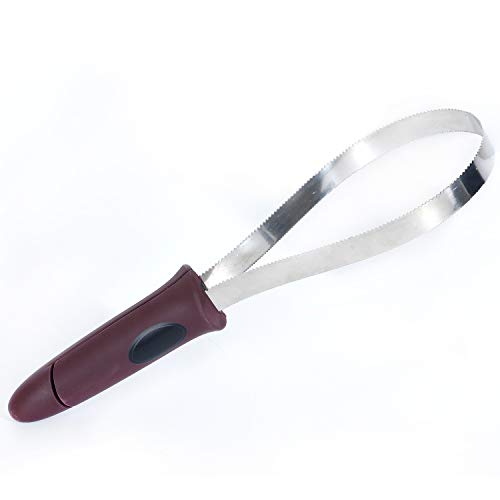
For fast fur removal, use a deshedding brush for cats stainless steel blades to lift undercoat and shed loose hairs, followed by silicone grooming glove for cat fur removal large size for a final wipe-down. Between sessions, cat grooming wipes unscented 100 count help keep areas clean and odor-free.
What You’ll Need
- Deshedding brush for cats stainless steel blades — effective for reducing undercoat and shedding.
- Silicone grooming glove for cat fur removal large size — easy, glove-style fur pickup during quick touch-ups.
- Cat grooming wipes unscented 100 count — convenient for cleaning paws, face, and exposed skin without water.


Before You Start
Prepare a calm, distraction-free area and have treats handy to reward your cat after grooming. Brush sessions should be brief initially to avoid stressing the animal. Check the coat for skin issues or hotspots before grooming, and stop if the cat shows signs of discomfort. Time estimates vary, but plan 10–20 minutes per session, depending on fur length and coat condition.
Step-By-Step: How To Clean Cat Fur Without Water
- Introduce the deshedding brush for cats stainless steel blades gradually, letting the cat sniff the tool and associating it with positive experiences.
- Begin at the back and sides, using long, smooth strokes in the direction of hair growth to lift loose fur.
- Switch to the silicone grooming glove for cat fur removal large size for a surface sweep, pressing gently to collect remaining hairs.
- Use cat grooming wipes unscented 100 count on paws, belly, and areas prone to odor buildup to maintain clean skin and coat between brushings.
- Repeat brushing in overlapping passes to ensure all shedding zones are addressed, paying attention to the chest and hindquarters where fur collects.
- Check for matting and gently free any tangles with light, careful strokes; avoid pulling on the skin.
- Brush your cat after meals or play to finish with a calm, satisfied routine that reinforces positive experiences.
- Store tools in a clean, dry place and wipe the glove and brush down after use to prevent residue transfer to the next grooming session.
Troubleshooting
| Symptom | Likely Cause | Fix | Prevention |
|---|---|---|---|
| Cat resists brushing | Stress or unfamiliar tool | Introduce tools slowly; offer treats and short sessions | Regular, short grooming intervals |
| Little fur comes off | Coat is too clean or coat is trimmed | Increase brushing duration gradually; check for coats needing a professional groom | Maintain a gentle routine to loosen undercoat |
| Skin irritation | Over-brushing or harsh pressure | Use lighter pressure and minor pauses | Avoid over-brushing sensitive patches |
| Wipes leave residue | Residue from wipes | Switch to a new wipe line or wipe with a dry cloth after use | Test on a small area first |
Common Mistakes
- Using a brush with rigid bristles on a sensitive cat; switch to softer or silicone surfaces as needed.
- Brushing against the direction of hair growth, which can irritate skin and reduce effectiveness.
- Rushing sessions; short, steady strokes yield better fur removal and less stress.
- Skipping paws and belly areas where hair and odor can accumulate.
Tips For Best Results
- Plan grooming after a quiet activity like a nap to improve cooperation.
- Combine tools: use the deshedding brush first, then finish with the silicone glove for a thorough clean.
- Keep wipes unscented to minimize potential irritants for sensitive cats.
- Brush frequency depends on fur length and shedding season; more frequent during seasonal shedding.
- Monitor your cat’s response and adjust technique to avoid chasing or stressing the animal.
Call A Professional
Seek a professional groomer if the cat’s coat is severely matted, if there are repeated skin irritations, or if the cat shows extreme anxiety during grooming. Also contact a veterinarian if there are signs of parasites, persistent itching, or open skin wounds).
FAQ
Can I clean a cat without water every day?
Yes, short, daily touch-ups with wipes and quick brushing can help maintain cleanliness between baths.
Are there cats that should never be brushed with a deshedding tool?
Some skin conditions or very sensitive cats may require gentler methods; consult a vet if unsure.
Is a silicone grooming glove effective on long-haired cats?
Yes, it can help remove loose fur and reduce shedding, though you may need to combine with a traditional brush for thorough undercoat removal.
How do I prevent matting while cleaning without water?
Brush regularly with a detangling stroke and address tangles gently as soon as they appear.
Buying Guide
When selecting products to clean cat fur without water, consider factors like coat type, shedding level, and the cat’s temperament. Key buying factors include:
- Deshedding Brush Type — stainless steel blades are strong for undercoat but may feel aggressive on sensitive cats; opt for gentler options if needed.
- Fur Removal Glove — silicone gloves are excellent for quick daily touch-ups and for cats that dislike brushes.
- Wipes — unscented wipes reduce irritation risks and are convenient for paws and facial areas.
- Coating & Comfort — look for tools with ergonomic handles and soft contact surfaces to minimize stress.
- Maintenance — choose tools that are easy to clean and sanitize between uses.
- Placement — keep tools within reach in the grooming area, away from pets’ primary lounging spots.
Would you like help choosing a setup that matches your cat’s coat length and temperament? A tailored plan can make water-free grooming smoother and more enjoyable for both you and your feline friend.
Leave a Reply