How to Clean Wax From a Car
Wax on a vehicle can protect paint and add shine, but over time, it may become dull or accumulate contaminants. This guide explains a practical, step-by-step method to safely remove old wax and restore a smooth, clean finish using common detailing tools.
Quick Answer
To effectively remove wax buildup, start with a gentle wash, use a dedicated wax remover spray to break down the residue, and finish with a clay bar kit if needed. Regular maintenance with microfiber towels helps prevent future buildup and streaks.
What You’ll Need
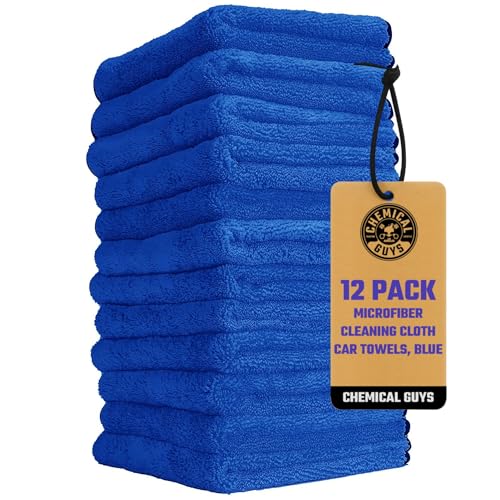
- Microfiber detailing towels 16×16 car cleaning kit for washing, drying, and buffing without scratching
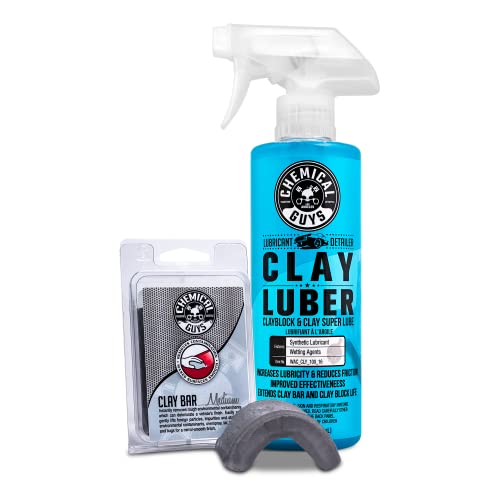
- Detailing clay bar kit for wax removal to lift embedded contaminants from the paint surface
- Car wax remover spray detailing kit to dissolve and lift old wax residues

Before You Start
Prepare a shaded workspace to prevent rapid drying, which can leave towels with streaks. Rinse the car to remove loose dirt, then wash with a dedicated car wash soap. Avoid washing waxed panels in direct sunlight as heat can bake residue and complicate removal. Time estimate: 30–60 minutes for a single car, depending on condition.
Safety note: If the paint shows obvious damage, such as chips or rust, address these issues before attempting wax removal. Use gloves if you are sensitive to cleaners, and test any product on a small, inconspicuous area first.
Step-By-Step: How To Clean Wax From A Car
- Rinse the surface thoroughly with cool water to remove loose dirt and debris.
- Wash the entire vehicle with a pH-balanced car soap using a microfiber towel to minimize scratching.
- Dry the surface with clean microfiber towels to prevent water spots before applying remover products.
- Spray a small amount of car wax remover spray detailing kit on a soft pad or microfiber and gently work one panel at a time to dissolve the wax.
- Wipe away the dissolved wax with a fresh microfiber towel, turning the cloth frequently to avoid re-depositing residues.
- If residues persist, use the detailing clay bar kit for wax removal following the manufacturer’s instructions to lift remaining particles.
- Inspect under bright light and repeat removers on any stubborn spots until the paint feels smooth.
- Rinse the panel again, then dry completely before applying a fresh wax layer or sealant if desired.
- Apply a thin, even coat of your chosen wax or sealant and buff according to product directions for a sleek finish.
- Dispose of used towels properly and store detailing tools in a clean, dry area for next use.
- Regular maintenance with a light wash and quick detailing spray helps prevent heavy wax buildup over time.
Troubleshooting
| Symptom | Likely Cause | Fix | Prevention |
|---|---|---|---|
| Streaks after waxing | Residual wax or improper buffing | Re-wipe with a clean microfiber and re-buff until clear | Use lint-free towels and work in shade |
| Clingy residue after clay bar | Clay bar overworked or dirty residue | Fold clay and knead until clean; wipe with remover if needed | Keep clay clean and documented usage per panel |
| Scratches appear | Rough towel or aggressive abrasion | Switch to softer towels and light pressure | Frequent towel rotation and proper wash technique |
| Sticky feel post-removal | Wax remover not fully wiped | Final wipe with a fresh microfiber | Test on a small area first to gauge removeability |
Common Mistakes
- Using abrasive cloths or rough sponges that can scratch paint
- Skipping a wash before wax removal, trapping grit on the surface
- Applying products in direct sunlight or on hot panels
- Overworking the clay bar or remover beyond recommended time
Keeping a routine of light maintenance helps reduce the frequency of heavy wax removal sessions and preserves the car’s finish.
Tips For Best Results
- Work in small sections to ensure consistent product contact and buffing.
- Always use fresh microfiber towels for each major step to avoid re-depositing wax or contaminants.
- Keep clay bar and remover products separate by panel to minimize cross-contamination.
- Follow each product’s instructions for dwell time and environmental considerations.
- After waxing, use a quick detail spray to enhance gloss and provide a protective thin layer.
Call A Professional
Consider a professional detailer if the finish shows deep oxidation, heavy swirl marks, or if you suspect clearcoat damage. Seek a pro if removal products fail to eliminate wax buildup or if you are unsure about the paint’s compatibility with detailing chemicals.
FAQ
Can I use household cleaners to remove wax?
No. Household cleaners may be too harsh for automotive finishes and can leave residues or damage the clear coat.
Is clay bar necessary for wax removal?
Clay bars help lift embedded contaminants that washing cannot remove, but they are optional if the surface is well prepped and wax removal products work effectively.
How often should I remove wax buildup?
Typically every 3–6 months, depending on climate, driving conditions, and the type of wax or sealant used.
Do I need to re-wax immediately after removal?
Not always. After thorough cleaning and decontamination, re-waxing or sealing can be done for protection and sustained shine.
What’s the best storage for detailing tools?
Store in a cool, dry area away from direct sunlight, with towels washed and fully dried before reuse.
Can I use these steps on a matte finish?
Matte finishes require specific products; avoid traditional wax that can alter the texture and finish.
Is this method suitable for all colors?
Yes, but always test a small area first to confirm no color change or hazing occurs.
Buying Guide
When choosing tools for removing wax and maintaining a car’s finish, consider size, noise level, energy efficiency, controls, and placement. Look for a kit that includes a soft microfiber set to minimize scratches, a clay bar kit designed for automotive finishes, and a wax remover spray formulated for painted surfaces. Compare how easily each product integrates into your routine, the level of residue it leaves behind, and its compatibility with your chosen wax or sealant. For larger vehicles, a longer reach wash mitt and multiple towels help ensure even coverage. If you enjoy quick touch-ups, a detailing spray that can be used between washes may be valuable. Finally, assess storage space and ease of access to keep your kit organized and ready for use. Do you want a compact setup or a comprehensive system that covers all steps from wash to wax?”
Leave a Reply