How to Clean Carpet Yourself: A Practical Guide
Keeping carpets fresh and stain-free at home can be easy with the right approach and tools. This guide walks American homeowners through a step-by-step process to clean carpets themselves, using common equipment and safe techniques.
Quick Answer
For quick, effective carpet cleaning, use the right machine, follow a planned pre-treat and extract routine, and allow sufficient drying time. Start with a vacuum to remove loose debris, treat stains with a carpet stain remover spray and brush kit, then deep-clean using an upright carpet cleaner machine for home use or a portable steam carpet cleaner upholstery cleaner. Finish with a thorough dry brushing and air-drying to resume use as soon as possible.
What You’ll Need
- upright carpet cleaner machine for home use
- portable steam carpet cleaner upholstery cleaner
- carpet stain remover spray with brush kit

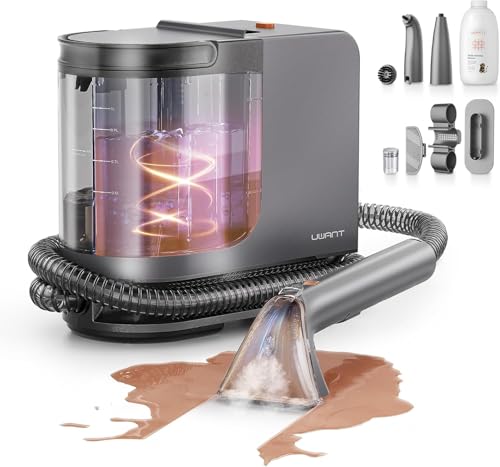

Before You Start
Prepare the area by removing furniture from the cleaning zone and vacuuming thoroughly to lift loose dirt. Test any cleaning solution in an inconspicuous spot to check for colorfastness. Protect walls and baseboards with towels or plastic. Allow extra time for drying, especially in humid rooms. Wear eye protection and gloves when handling cleaning products.
Step-By-Step: How To Clean Carpet Yourself
- Vacuum the entire area to remove loose dirt and debris, including edges and corners.
- Identify stains and apply a carpet stain remover spray with brush kit according to label directions; gently agitate with the brush.
- Let the stain remover sit for the recommended dwell time to break down soils.
- Fill the upright carpet cleaner machine for home use or portable steam carpet cleaner with clean water and approved cleaning solution, following the device’s manual.
- Begin cleaning in slow, overlapping passes, working from one edge of the room to the other to avoid stepping on cleaned areas.
- Go back over high-traffic spots with a targeted pass to lift embedded dirt and ensure uniform extraction.
- Remove excess moisture by running the machine without cleaning solution or using the extraction mode repeatedly until the carpet feels damp but not wet.
- Open doors and windows or use fans to increase airflow and speed up drying time.
- Brush carpet fibers lightly with a clean, dry brush once dry to restore nap and lift appearance.
- Replace furniture only after the carpet is fully dry to avoid leaving indentations.
- Perform periodic maintenance on your cleaning tools, rinsing brushes and cleaning solution tanks after each use.
- For repeated stains or large areas, repeat the cleaning cycle as needed to maintain overall carpet vitality.
Troubleshooting
| Symptom | Likely Cause | Fix | Prevention |
|---|---|---|---|
| Carpet remains damp long after cleaning | Insufficient extraction or heavy carpet padding | Run extraction cycle again; use fans or dehumidifier | Clean with appropriate dilution; avoid over-wetting |
| Stains reappear after drying | Stain set due to improper pre-treatment | Re-apply stain remover and dwell longer before extraction | Pre-treat with a purpose-built spray initially |
| Cleaner leaves streaks or soap residue | Excessive cleaning solution or poor rinse | Rinse with clean water and run extraction pass | Measure cleaning solution as directed |
| Machine won’t suction | Blockage or full recovery tank | Check hoses, empty tank, and rinse filter | Perform regular maintenance and empty tanks promptly |
Common Mistakes
- Not testing cleaners on a hidden area before full use
- Over-wetting the carpet, leading to extended drying times
- Avoiding pre-treatments on stubborn stains
- Using too much cleaning solution or incompatible formulas
Tips For Best Results
- Work in small, manageable sections to maintain consistent cleaning quality
- Use a slow, deliberate pace for better extraction and soil removal
- Schedule deep cleaning during mild weather to support faster drying
- Combine suction with airflow: a fan or window open speeds up drying
- Maintain your cleaning equipment with routine rinsing and prompt filter cleaning
Call A Professional
Consider a pro if you encounter persistent stains, large areas with high traffic, or if the carpet fibers are delicate or damaged. Stop and call a professional if you notice dye transfer, color bleeding, persistent odor, or equipment malfunction that you cannot safely resolve.
FAQ
Can I use any cleaning solution in my carpet cleaner?
Only use cleaning solutions recommended by the machine’s manufacturer to avoid residue and equipment damage.
How long does it take for carpet to dry after cleaning?
Drying times vary, but most rooms dry within 6–12 hours with good airflow.
Is it safe to clean upholstered furniture with a carpet cleaner?
Yes, if the machine includes a portable or upholstery cleaning mode and the fabric is rated safe for moisture.
How often should I deep-clean carpets?
For high-traffic homes, deep-clean every 6–12 months; lighter use may only require annual cleaning.
What should I do about odor before cleaning?
Pre-treat with deodorizing solutions and ensure thorough extraction to remove odor-causing soils.
Is steaming better than traditional shampoo cleaning?
Steam cleaning can be gentler on fibers and uses less moisture; select based on carpet type and stain severity.
Buying Guide
When choosing carpet-cleaning gear for home use, homeowners should weigh several factors to match their space and needs. Size and weight affect portability and storage, especially in smaller homes. Noise level matters for use in apartments or shared spaces. Energy efficiency and water usage influence operating costs and drying time. Look for intuitive controls, clear indicators for fill levels, and compatible cleaning solutions. Consider placement options: upright machines are stronger for large areas, while portable steam cleaners offer flexibility for upholstery and stairs. Compare models that support both stain removal and deep-clean cycles to maximize versatility.
Leave a Reply