How to Clean Carpet Under Doors for a Fresh, Spotless Threshold
Carpeted doorways can trap dust, dirt, and allergens where the floor meets the door frame. Regular cleaning in these tight areas keeps indoor air quality high and prevents dirt buildup that can chew at carpet fibers over time. This guide walks American homeowners through a practical, step-by-step approach that works with common household tools and specially designed attachments.
With careful technique and the right tools, you can achieve a thorough clean without removing doors or disassembling the floor. The steps below prioritize safety, efficiency, and effectiveness, so you can reclaim those hard-to-reach carpet crevices quickly.
Quick Answer
Best initial approach: Use a slim, edge-focused attachment to loosen debris, followed by a crevice tool to suction dirt from under door gaps. For stubborn fibers, a low profile vacuum attachment helps reach tight crevices without lifting the door. Routine upkeep prevents deep-set grime and maintains carpet appearance.
What You’ll Need
- Low profile vacuum attachment for carpet crevices
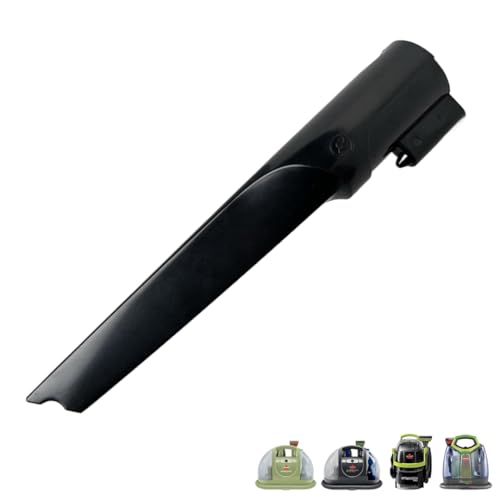
- Carpet cleaning crevice tool attachment
- Slim edge cleaning brush for carpet under door


Before You Start
Clear the area on both sides of the door to give yourself space to work. If the door swings inward, prop it open with a wedge or use a door stop to maintain clearance. Protect your knees, back, and hands with a cushioned mat and gloves. Time estimate: 15–30 minutes for a standard bedroom doorway.
Test attachments on a small, inconspicuous section of carpet to ensure there’s no dye transfer or fiber damage. Ensure the vacuum is on a low setting to avoid pulling fibers. If you have allergies or sensitivities, consider wearing a mask due to dust mobilization during cleaning.
Step-By-Step: How To Clean Carpet Under Doors
- Move furniture away from the door area to create a clear workspace.
- Gently sweep or vacuum the visible surface near the threshold with the slim edge cleaning brush for carpet under door to loosen surface dust.
- Switch to the carpet cleaning crevice tool attachment and insert it into the gap under the door, keeping the tool parallel to the carpet face.
- Slowly work the crevice tool along the base of the door, sliding it in small, overlapping motions to collect debris from both sides of the seam.
- Use the low profile vacuum attachment for carpet crevices to extract loosened dirt from deeper in the gap, moving along the entire width of the door opening.
- Repeat the combination of edge brushing and crevice suction until the area is substantially clear of visible dirt.
- Vacuum the threshold itself to capture any fallen particulates from the under-door zone.
- Finish with a light pass along the door edge and the carpet immediately beyond the threshold to remove any remaining dust.
Troubleshooting
| Symptom | Likely Cause | Fix | Prevention |
|---|---|---|---|
| Debris remains after cleaning | Gently packed dust or hair in the seam | Reapply crevice tool and edge brush in overlapping strokes; pause and vacuum at a slower pace | Regular maintenance before buildup occurs |
| Fibers pull when brushing | Aggressive pressure or rough bristles | Use light pressure and a softer brush; avoid snagging | Clean consistently to prevent deep entanglement |
| Dust rises when vacuuming | Dry, loose dust disturbed in a dry environment | Close nearby doors or use a humidifier to keep dust settled | Occasional damp wipe of surrounding area after vacuuming |
Common Mistakes
- Overlooking both sides of the door frame when cleaning the threshold
- Using high suction without low-profile attachments, which can snag carpet fibers
- Rushing the cleaning pass, leading to missed debris in the seam
- Skipping safety steps or neglecting surface testing on delicate carpets
Taking a measured, methodical approach minimizes fiber damage and improves results over time.
Tips For Best Results
- Clean under doors during routine vacuuming cycles to prevent buildup
- Store attachments in an easily accessible spot near the vacuum for quick edge access
- Combine dry brushing with gentle suction to maximize debris removal without harming fibers
- When possible, open doors slightly to allow airflow, reducing dust clouds during cleaning
Call A Professional
If the under-door area shows signs of mold, persistent staining, or water damage, or if you’re unsure about carpet type and adhesive backing, consult a professional carpet cleaner. Seek immediate help for severe staining, strong odors, or suspected pest issues, as these may require specialized equipment and treatments.
FAQ
Can I use any vacuum for cleaning under a door?
While many vacuums work, using slim, edge-focused attachments provides the best access to tight under-door spaces and helps protect carpet fibers.
How often should I clean under doors?
Aim for a quick clean every 1–2 weeks to prevent buildup, with more frequent attention during high-traffic periods.
What if debris is stuck to the threshold?
Use a narrow tool or a gentle scraper to loosen debris, then finish with a vacuum attachment to extract it.
Is it okay to wet-clean the area under the door?
Dry cleaning is generally safer for most carpet types; if you need damp cleaning, test a small area and ensure the carpet dries quickly to avoid mold.
Buying Guide
When evaluating tools to clean carpet under doors, consider size, performance, and compatibility with your carpet type. A low profile attachment with a slim edge cleaning brush is ideal for tight gaps. Look at the suction power of your vacuum and ensure it can handle crevices without pulling fibers. Energy efficiency matters for long cleaning sessions, especially in larger homes. Controls should be simple and accessible, allowing quick changes between edge brushing and crevice suction. Think about where you store tools and how you will access them during cleaning—a dedicated kit near the vacuum helps. For multi-room homes with varied door thresholds, a modular attachment set offers flexibility. Finally, review user feedback on durability and effectiveness in real door-gap scenarios to ensure long-term value.
Leave a Reply