How to Clean a Carbon Steel Pan
Cleaning a carbon steel pan correctly helps maintain its seasoned surface and prolongs its life. This guide provides practical steps, safety notes, and common-sense tips tailored for American kitchens and typical cookware setups.
Whether you use a chainmail scrubber or a non-scratch sponge, proper care avoids damaging the patina and keeps food flavors true. The following sections walk through simple methods that work for most carbon steel pans used in home cooking.
Quick Answer
Rinse with warm water, scrub gently with a non-scratch sponge or a chainmail scrubber for stubborn residue, dry thoroughly, and re-season lightly with a small amount of oil. Avoid soap unless you’re re-seasoning, and never soak carbon steel pans for long periods.
What You’ll Need
- Chainmail scrubber for carbon steel pan cleaning
- Stainless steel pan scrubber for carbon steel pans
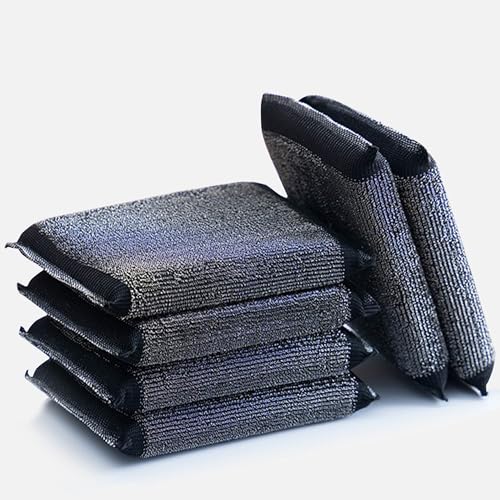
- Non-scratch sponge and scrub pad for carbon steel cookware
- Soft cloth or towel for drying
- Food-grade oil for re-seasoning (e.g., flaxseed oil, canola oil)

Before You Start
Before cleaning, ensure the pan has cooled to a safe handling temperature. Work in a well-ventilated area if you are using oil for re-seasoning. Do not immerse a hot pan in cold water, as thermal shock can warp the pan’s structure or damage the handle. Plan to dry and oil the pan promptly to prevent rust and preserve the seasoning layer.
Step-By-Step: How To Clean A Carbon Steel Pan
- Allow the pan to cool to a safe handling temperature and rinse under warm running water.
- If there is loose food, gently scrape with a wooden or plastic spatula to lift residue without scratching the surface.
- Use a non-scratch sponge and scrub pad for carbon steel cookware for light residue; switch to a chainmail scrubber for carbon steel pan cleaning for stubborn bits.
- Avoid using harsh soaps that strip seasoning; if soap is necessary, limit it to quick use and plan to re-season afterward.
- Rinse again to remove any scrub particles, then pat dry with a clean cloth or towel.
- Place the pan on a cool burner or countertop to finish drying completely, preventing rust.
- Apply a very thin coat of food-grade oil and rub with a clean cloth to restore a light seasoning layer.
- Heat the pan briefly on medium heat to polymerize the oil, then cool and store in a dry place.
- For heavily used pans, schedule a periodic deeper clean and re-season to maintain nonstick qualities.
- Document any rust spots or pitting and plan to address with a targeted clean or re-seasoning routine.
- Label and store near other cookware where ventilation helps prevent moisture buildup.
Troubleshooting
| Symptom | Likely Cause | Fix | Prevention |
|---|---|---|---|
| Rust spots | Moisture exposure or incomplete drying | Remove rust with a light scrub, re-season, and dry thoroughly | Dry completely after each use; store in a dry area |
| Sticky residue after cleaning | Over-seasoned surface or residual oil | Warm the pan slightly, wipe clean, and apply a thin oil layer | Use minimal oil during seasoning; wipe away excess |
| Food sticking after cleaning | Seasoning wore thin | Re-season with a thin oil layer and heat to polymerize | Avoid aggressive scrubbing that removes patina |
| Discoloration | Heat exposure or oil type | Normal wear; re-season if discoloration concerns you | Cook at moderate heat; use appropriate oil |
Common Mistakes
- Using soap regularly on carbon steel pans, which can strip seasoning over time.
- Soaking the pan for long periods, leading to rust formation.
- Scouring with metal brushes that damage the patina.
- Neglecting thorough drying, allowing moisture to cause rust.
Sticking with gentle cleaning tools and a proper drying routine helps sustain the pan’s natural nonstick surface.
Tips For Best Results
- Clean promptly after cooking to prevent baked-on fats from hardening.
- Use a light coating of oil after each clean; this builds a durable seasoning over time.
- Choose the right scrub tool for the job; reserve chainmail for stubborn residue and non-scratch pads for routine cleaning.
- Store in a dry kitchen area and consider using a protective pan sleeve or liner if stacked with other cookware.
- If you notice dulling, perform a light re-seasoning cycle to restore the surface’s slickness.
Call A Professional
Seek professional help if you encounter persistent rust that spreads beyond simple re-seasoning, warped handles, or structural damage to the pan. Severe pitting or irreparable coating damage may require replacement rather than restoration.
FAQ
Can I use soap on a carbon steel pan?
Occasionally, a small amount for thorough cleaning is acceptable, but frequent soap use can degrade seasoning.
What oil should I use for re-seasoning?
Food-grade oils such as flaxseed, canola, or grapeseed work well for building a durable seasoning.
How often should I re-season a carbon steel pan?
Re-season when the surface starts to look dry or when food begins to stick more than usual.
Is chainmail safe for carbon steel pans?
Yes, chainmail scrubbers are effective for removing stubborn residue without excessive abrasion.
Should I dry my pan with a towel?
Yes, thorough drying prevents moisture-related rust and preserves the seasoning.
Can I store a seasoned pan in the fridge?
Avoid storing in the fridge; keep in a dry, ventilated area to prevent moisture buildup.
Buying Guide
When selecting cookware and cleaning tools for carbon steel pans, consider size, noise level, energy considerations, controls, and placement in your kitchen.
- <bSize: Choose a pan and cleaning tools that fit your stove and storage space. A 12-inch pan is versatile for most households.
- <bNoise level: Scrub tools vary in sound; chainmail scrubbers can be louder than sponges. If noise matters, test a tool before committing.
- <bEnergy efficiency: Carbon steel pans heat quickly and evenly; maintain efficient cooking by preheating properly and avoiding excessive heat.
- <bControls: Simple, reliable handles and compatibility with your stovetop type simplify maintenance.
- <bPlacement: Store in a dry cabinet or on a rack with good airflow to minimize moisture exposure and rust risk.
Think about your typical cooking routines: do you often sear at high heat, or do you simmer sauces that require preservation of a seasoned surface? Selecting tools that align with your habits makes cleaning and care a seamless part of cooking, not a chore. If you already own a chainmail scrubber, a stainless steel pan scrubber, or a non-scratch sponge, you can mix and match them based on the task at hand for the best results.
Leave a Reply