How to Clean Car Mats With Bad Stains
Dirty car mats can harbor grime, spilled beverages, and stubborn stains. This guide provides practical, step-by-step methods using common tools and safe products to restore look and cleanliness to vehicle interiors. Targeted approaches work for different mat materials and stain types, helping maintain interior health and resale value.
The following methods emphasize accessible solutions that comfortable fit American lifestyles and typical garages or driveways. Readers will learn how to tackle tough stains while protecting mat surfaces and underlying flooring. Safety considerations are highlighted to prevent unwanted damage during cleaning.
Quick Answer
Best first step: vacuum to remove loose debris, pretreat with a stain remover spray, then agitate with a stiff brush. If odors linger, a portable handheld upholstery steam cleaner can refresh fibers and lift embedded soils.
What You’ll Need
- Stiff nylon car floor mat cleaning brush
- Car carpet stain remover spray 32 oz
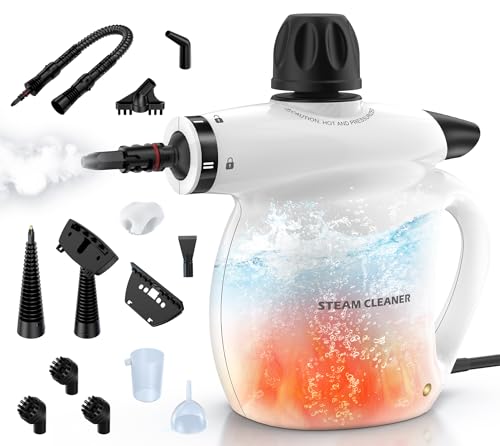
- Portable handheld upholstery steam cleaner for car mats


Before You Start
Inspect the mat material and label for cleaning instructions. Place mats on a flat, waterproof surface and remove them from the vehicle. Test a small hidden area first to ensure cleaners won’t discolor rubber or fabric. Work in a well-ventilated area, and protect surrounding surfaces with towels. Time estimates vary: plan 30–60 minutes for initial cleaning, plus extra for drying.
Step-By-Step: How To Clean Car Mats With Bad Stains
- Remove the mats from the car and shake out loose dirt above a trash bin or outside.
- Vacuum each mat thoroughly to lift fine dust and hair before any liquid application.
- Apply a car carpet stain remover spray 32 oz to stained areas, following label directions for spray distance and dwell time.
- Let the stain remover sit for 5–10 minutes to loosen embedded soils.
- Gently scrub with the stiff nylon car floor mat cleaning brush, focusing on hard-to-reach corners and grain patterns.
- Rinse mats with clean water or use a damp microfiber cloth to remove soap and lifted dirt.
- For deeply embedded grime or persistent odors, use the portable handheld upholstery steam cleaner for car mats to steam and extract soils.
- Allow mats to air dry completely before reinstalling to prevent mildew and mold growth.
- If stains reappear after drying, repeat the stain remover application on the affected areas and re-scrub.
- Reinstall mats in their original orientation, ensuring edges lay flat and no warping occurs.
- Optional: finish with a light spray of deodorizing cleaner for a fresh scent without overpowering fragrances.
- For frequent spill-prone vehicles, consider a protective spray barrier after cleaning to ease future maintenance.
Troubleshooting
| Symptom | Likely Cause | Fix | Prevention |
|---|---|---|---|
| Color transfer after cleaning | Stain remover reacting with dye | Rinse immediately and test on inconspicuous area | Use dye-safe cleaners and patch test |
| Stains return after drying | Deep-set stains or odors | Reapply stain remover and steam clean | Address spills promptly; consider barrier spray |
| Mat remains stiff after cleaning | Over-scrubbing or insufficient rinsing | Rinse thoroughly and air dry completely | Use a lighter touch and avoid harsh chemicals |
| Mildew or mold smell | Inadequate drying | Increase airflow, use a fan, extend drying time | Dry mats in direct sun if possible |
Common Mistakes
- Skipping the initial vacuum and blotting steps, which makes stains harder to lift.
- Using overly concentrated cleaners that can cause discoloration.
- Removing mats outdoors without securing stepping surfaces, risking damage from surroundings.
- Neglecting complete drying, which invites mildew buildup.
Tips For Best Results
- Always test cleaners on a small, inconspicuous area before full application.
- Work in a shaded area to prevent quick drying of cleaners and water marks.
- For carpeted mats, a circular scrubbing pattern helps lift embedded soils more effectively.
- Use cool or lukewarm water rather than hot water to avoid setting certain stains.
- After cleaning, consider light brushing to restore nap and texture.
Call A Professional
Seek professional help if mats have extensive mold growth, persistent petroleum odors, or require nonstandard materials (such as specialty rubber blends) that may react poorly to at-home products. Stop cleaning and contact a pro if you notice staining worsening, seams lifting, or material cracking.
FAQ
Can I clean car mats with water alone?
Water can remove loose dirt, but stains typically require a specialized stain remover and brushing.
Is a steam cleaner safe for all car mats?
Steam is effective on fabric mats but may not be ideal for rubber or plastic mats without manufacturer guidance.
How long should mats dry after cleaning?
Allow 4–12 hours depending on humidity and sun exposure to ensure complete dryness.
What if stains reappear after a few days?
Reapply stain remover, re-scrub, and consider a protective barrier spray to deter future staining.
Buying Guide
When selecting tools and cleaners for cleaning car mats with stubborn stains, consider factors such as mat material, stain type, and home setup. A stiff nylon car floor mat cleaning brush is ideal for fibrous fabrics and embedded dirt, while a car carpet stain remover spray 32 oz provides targeted chemical action to loosen soils. A portable handheld upholstery steam cleaner for car mats offers deep extraction without a heavy appliance.
Key buying factors include size and fit: ensure mats can be removed easily and laid flat for cleaning. Noise level and portability matter for in-garage routines. Energy and water usage should align with efficient, eco-friendly practices. Look for multipurpose cleaners that are safe for different mat types and surfaces. Controls should be straightforward, with clear spray patterns or steam settings. Consider placement in your vehicle: front mats often see more wear than rear mats, so prioritize frequent cleanability in high-traffic areas.
For shoppers comparing products, think about stain severity and drying time. Tools that combine mechanical agitation with chemical action tend to deliver faster results on tough stains. If odor control is a priority, pair stain removers with deodorizing steps after cleaning. Finally, check warranty and return policies for cleaning products to ensure compatibility with your mat materials and vehicle interior.
Leave a Reply