How to Clean Car Interior: A Practical, Step‑By‑Step Guide
Maintaining a clean car interior improves comfort, air quality, and the vehicle’s resale value. This guide breaks down a practical approach using common tools and dedicated products to tackle dust, stains, and odors without damaging surfaces. Readers will find a clear sequence from prep to upkeep, with safety tips and troubleshooting to handle stubborn spots.
Quick Answer
Start with a quick interior sweep and remove trash, then use a handheld cordless vacuum for loose debris. Wipe surfaces with a microfiber cloth and appropriate cleaners, and finish with a leather or fabric conditioner as needed. Sweep, vacuum, wipe, and protect in that order for best results.
What You’ll Need
The following tools and products cover all interior surfaces efficiently. Use the items as needed for different materials and areas.
- Car interior detailing kit microfiber towels brushes
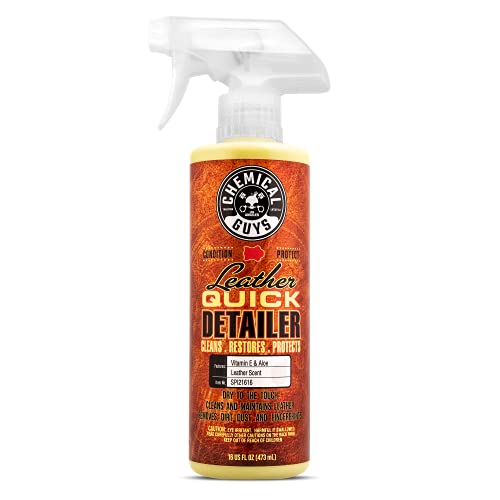
- Leather car seat cleaner kit spray
- Handheld cordless vacuum cleaner for car detailing


Before You Start
Plan a clean session on a dry day or during a cool part of the day to prevent cleaning solutions from drying too quickly. Move seats if possible to reach hard-to-reach areas. Test cleaners on inconspicuous areas first to avoid discoloration. Time estimate: 30–90 minutes depending on vehicle size and condition. Wear a mask if there is strong odor or dust.
Step-By-Step: How To Clean Car Interior
- Remove all loose items from the cabin, including floor mats, to access every surface.
- Vacuum the seats, carpets, and mats with a handheld cordless vacuum cleaner for car detailing, focusing on seams and under seats.
- Shake out or wash floor mats separately; let them dry completely before reinstallation.
- Dust dashboards, console, and door panels with a microfiber towel or brush, working from top to bottom to avoid recontamination.
- condition leather seats or trim with the leather car seat cleaner kit spray after removal residues; wipe evenly with a clean microfiber cloth.
- For fabric upholstery, use appropriate fabric cleaner and a light brush to lift stains; blot rather than rub to prevent fiber damage.
- Wipe interior glass with a dedicated glass cleaner, using a dry microfiber cloth for a streak-free finish.
- Clean vents and crevices with a brush or a compressed-air like tool to remove dust buildup.
- Reinstall mats and perform a final wipe-down of high-touch areas such as the steering wheel, shifter, and door handles.
- Finish with a deodorizing spray or protectant according to material type to extend cleanliness and freshness.
- Inspect for missed spots and repeat the cleaning steps on any stubborn areas if needed.
- Store cleaning supplies neatly in the vehicle or at home to keep future touch-ups quick and easy.
Troubleshooting
| Symptom | Likely Cause | Fix | Prevention |
|---|---|---|---|
| Streaks on glass | Residue from cleaner | Use a dedicated glass cleaner and microfiber; wipe in circular motions, then vertical/horizontal passes | Avoid mixing cleaners |
| Sticky seats after cleaning | Excess cleaner or improper drying | Wipe with a clean, dry microfiber; allow longer drying time | Use the correct amount of product |
| Rubbing on leather | Harsh cleaner or abrasion | Switch to a leather-friendly product; apply sparingly | Gentle brushing and soft cloths |
| Odor remains | Embedded moisture or mildew | Completely dry all surfaces; use odor-neutralizing product | Ventilate during and after cleaning |
Common Mistakes
- Using too much water on leather, which can cause damage.
- Rubbing vigorously on delicate surfaces, leading to wear.
- Neglecting crevices, vents, and under-seat areas where dust accumulates.
- Using the wrong cleaner for fabric versus leather or vinyl materials.
Tips For Best Results
- Work in small sections to avoid drying cleaners too quickly.
- Keep microfiber towels clean; use separate towels for glass, leather, and fabric.
- Use a nozzle brush attachment to reach tight spaces and seams.
- Test any cleaner on an inconspicuous area before full application.
- Schedule routine cleanings every 1–3 months depending on usage and climate.
Call A Professional
Professional help may be needed if a spill penetrates deep into the upholstery, if stains persist after multiple cleanings, or if electrical components have moisture exposure. Stop cleaning and seek a pro if you notice bubbling, strong chemical smells, or any warning lights on the dashboard after cleaning. For complex leather treatments or detailing beyond DIY scope, a certified technician can ensure longevity and safety.
FAQ
How often should I clean my car interior?
Light surface cleaning should be done monthly, with a deeper clean every 3–6 months depending on use and exposure to dirt, spills, and odors.
Can I use household cleaners on car interiors?
Some household cleaners are safe, but many are not. Use products formulated for car interiors and test on a hidden area first.
Is it safe to use water on car leather?
Minimal moisture is acceptable when paired with a leather-specific cleaner; avoid soaking leather and dry promptly.
What should I do about persistent odors?
Start with thorough cleaning and ventilation; consider a deodorizer designed for automotive use and check for moisture sources if smells linger.
Buying Guide
When choosing products for cleaning a car interior, consider size, noise level of tools, energy efficiency, controls, and placement. Here are key factors to compare:
- Size and reach: Compact handheld tools are easier to maneuver in tight spaces, but larger vacuums may offer more power for dense debris.
- Noise level: quieter devices reduce sensory fatigue during longer cleaning sessions.
- Energy efficiency: Battery life matters for cordless tools; look for longer run times and quick-charge systems.
- Controls and indicators: Simple, intuitive controls help maintain focus while cleaning without faffing with settings.
- Material compatibility: Ensure cleaners and tools suit leather, fabric, plastic, and vinyl finishes common in cars.
- Portability and storage: A compact kit with organized compartments keeps supplies accessible.
- Warranty and support: A solid warranty helps with replacement or repair for frequent use.
Consider a conjoined approach: a car interior detailing kit microfiber towels brushes for general cleaning, a leather car seat cleaner kit spray for leather surfaces, and a handheld cordless vacuum cleaner for car detailing to cover all tasks efficiently. Matching products to your vehicle type and typical messes ensures that cleaning remains practical and repeatable.
Leave a Reply