How to Clean Car Exterior: A Step‑By‑Step Guide for a Showroom Shine
Maintaining a clean and glossy exterior helps protect a vehicle’s paint, preserve its value, and enhance its appearance. This guide walks through practical steps using common detailing tools like a dual action car polisher buffer kit for exterior detailing, a car clay bar kit with lubricant, and a microfiber wash mitt and towel set. Readers will learn a safe, efficient process that minimizes swirl marks and scratches while delivering professional-looking results.
Quick Answer
Start with a thorough wash using a microfiber wash mitt, then clay bar the painted surfaces with a lubricant to remove embedded contaminants. Use a dual action polisher buffer kit to level the surface and enhance gloss, followed by a dedicated drying routine with absorbent towels. Finish with a protective wax or sealant for lasting shine and seal.
What You’ll Need
- Microfiber wash mitt and towel set for safe, lint-free cleaning and drying
- Car clay bar kit with lubricant to remove embedded contaminants from the paint
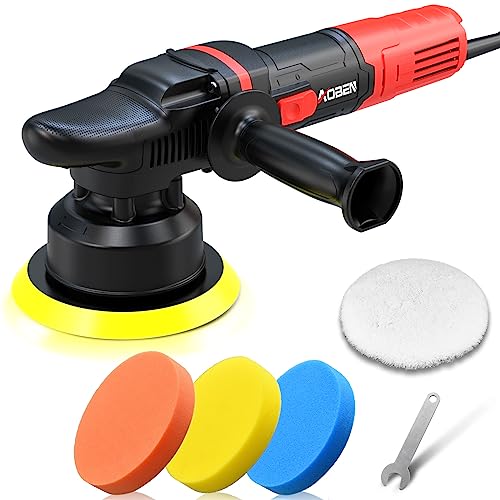
- Dual action car polisher buffer kit for exterior detailing to refine the paint and boost gloss
- Car wash soap recommended for automotive finishes
- Microfiber towels for final wipe-down and detailing
- Optional finishing product: wax or paint sealant for protection


Before You Start
Prep the workspace in a shaded, well-ventilated area to prevent soap and lubricant from drying too quickly. Ensure the vehicle is cool to the touch and in good weather. Rinse surfaces thoroughly before washing to remove loose dirt. Avoid washing in direct sunlight to prevent water spots and soap drying on the surface. Have a clean, soft surface to park the car and a dry, scratch-free area to store towels and tools.
Step-By-Step: How To Clean Car Exterior
- Rinse the whole vehicle to remove loose dirt and debris, starting from the top and working downward.
- Prepare a two-bucket setup: one for soapy wash and one for rinse, using a quality car wash soap designed for clear coat finishes.
- Wash the surface with a microfiber wash mitt, frequently rinsing to prevent dirt from being re-deposited. Dry each section with a clean microfiber towel to minimize water spots.
- Apply the car clay bar kit lubricant to a small section and gently glide the clay bar over the surface until it feels smooth. Fold the clay often to expose a clean surface.
- Wipe away excess lubricant and contaminants, then rinse and dry the area completely before polishing.
- Set up the dual action polisher with the appropriate pad and polish. Work in small sections, using light to moderate pressure and overlapping passes to refine the paint finish.
- Inspect the surface under good light. If micro-marring remains, perform a second polishing pass on that area until it looks uniformly glossy.
- Apply a protective layer—wax or sealant—following the product’s instructions. Work in small sections and allow proper cure time before touching the surface.
- Finish by drying and buffing with clean, plush microfiber towels to remove any residue and boost shine.
- Re-inspect for missed spots, water spots, or dull areas. Treat as needed and enjoy the refreshed exterior.
- Store all tools properly, keeping pads clean and protected to maintain their performance for next use.
Troubleshooting
| Symptom | Likely Cause | Fix | Prevention |
|---|---|---|---|
| Swirl marks after polishing | Inadequate pad choice or wrong speed | Switch to a softer pad; reduce polishing speed and work in smaller areas | Use fresh, clean pads and keep surfaces well-lubricated |
| Sticky residue after wax | Insufficient curing time | Allow longer cure time and remove with clean microfiber | Follow product directions closely and apply in appropriate conditions |
| Paint looks dull after claying | Lubricant spilled onto surface or clay contamination | Wipe surface clean and re-clay using new clay sheet | Keep clay clean and re-lubricate as needed |
| Water spots on dry surface | Wash or dry in direct sun | Dry promptly in shade; use a high-absorbency towel | Wash during cooler times of day |
Common Mistakes
- Using a dirty wash mitt or towel that redeposits dirt onto the paint
- Pushing the clay bar too hard, causing marring or scratches
- Skipping a proper lubrication layer during clay or polishing steps
- Neglecting a surface protection step after polishing
Tips For Best Results
- Work in small, overlapping sections to ensure even coverage and reduce missed spots
- Keep a dedicated set of towels for specific tasks (wash, clay, polish, finish) to avoid cross-contamination
- Temperature matters: perform detailing in moderate temperatures to avoid premature drying
- After polishing, inspect under bright light to catch any hazing or micro-marring early
- Store detailing products in a cool, dry place to extend their shelf life
Call A Professional
Consider contacting a professional if the vehicle has deep scratches, heavy oxidation, or clear coat failure that requires specialized refinishing. Stop signs include persistent swirling after multiple passes, color changes, or water spots that resist standard polishing. If the paint has peeled or blistered, a trained detailer or body shop should assess structural damage and repair options.
FAQ
What is the best sequence for exterior car detailing?
The typical order is wash, dry, clay with lubricant, polish with a dual action polisher, and finish with a protective wax or sealant.
Can I use household products to clean my car exterior?
Avoid household cleaners; use products designed for automotive finishes to prevent paint damage.
How often should I clay bar my car?
Clay bar treatment is usually needed every 6–12 months, depending on how often the car is driven and the environment.
Is polishing necessary if the paint looks shiny after washing?
Polishing helps remove fine scratches and hazing that washing alone cannot fix, improving depth and gloss.
What should I do if I see water spots after drying?
Rewash and dry with a clean towel, or use a final wipe-down with a dedicated detailing spray to remove spots.
Is there a risk of damaging the paint with a dual action polisher?
Yes, improper technique can cause swirls. Start with a light pass and follow pad and product guidelines carefully.
Do I need a clay bar if the surface feels smooth after washing?
If the surface feels smooth to the touch, clay bar may not be necessary, but performing a light clay treatment can remove micro-contaminants not visible to the eye.
Buying Guide
When selecting tools for exterior detailing, consider several factors to ensure value and effectiveness. Size and weight of the dual action polisher influence comfort during longer sessions, while pad density affects cut and finish. For clay bars, choose a kit with a lubricant that provides ample surface glide and prevents marring. A high-quality microfiber wash mitt and towel set reduces the risk of scratches and leaves a lint-free finish.
Buying Guide: Key Factors To Consider
- <bSize and weight of the polisher: Larger units cover more area but can be heavier; choose a manageable weight for your experience level.
- <bNoise level and vibration: Opt for models with smoother operation and lower noise if you detail frequently.
- <bEnergy efficiency and motor performance: A robust motor at moderate amperage delivers consistent results without overheating.
- <bControls (speed range, trigger lock, ergonomic grip): Simple controls reduce mistakes and fatigue.
- <bProtection and placement: Store items in a cool, dry place; keep pads clean and dry between uses to preserve performance.
With the right tools and a careful approach, cleaning and refinishing your car’s exterior can yield striking results. The combination of a microfiber wash mitt, clay bar kit with lubricant, and a dual action polisher buffer kit provides a practical, scalable path from routine washing to a showroom-worthy shine. Ready to start? Gather your gear, follow the steps, and enjoy the improved curb appeal of your vehicle.
Leave a Reply