How to Clean Car Carpet With Baking Soda
Deep-cleaning car carpets can restore the interior’s look and odor. Baking soda offers a simple, affordable option that can tackle common spills, ground-in dirt, and smells without harsh chemicals. This guide provides practical steps to use baking soda-based products safely and effectively on most car carpet surfaces.
Using baking soda for car carpet cleaning is popular because it’s versatile, easy to apply, and generally gentle on fabrics. The method described here combines a deodorizing powder, a paste for stains, and a spray for ongoing odor control to address a range of common issues in one routine.
Quick Answer
Best starting approach: Sprinkle baking soda deodorizer powder on dry carpet, wait 15–30 minutes, then vacuum. For stains, apply a baking soda paste (mixed with water) to the spot, scrub gently, rinse, and dry. Use a baking soda odor eliminator spray between cleanings to keep fresh air in your cabin.
What You’ll Need
The following tools and supplies are recommended. They leverage the provided product keywords to cover deodorizing, stain removal, and odor control:
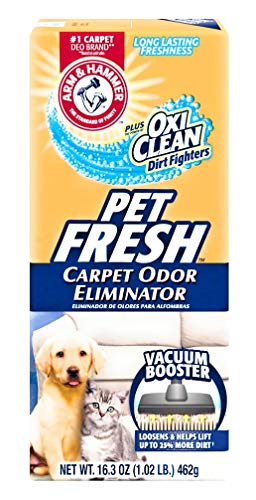
- baking soda car carpet deodorizer powder 1lb
- car interior carpet stain remover baking soda paste
- baking soda odor eliminator for car carpet spray bottle


Before You Start
Prepare the workspace in a well-ventilated area or outdoors. Vacuum the carpet thoroughly to remove loose dirt before applying any baking soda products. Test a small, inconspicuous area first to ensure there is no discoloration or texture change. Allow extra time for the carpet to dry completely to prevent mold growth. Caution: Avoid soaking the carpet, as excessive moisture can damage padding and cause lingering odors. Do not mix baking soda with other cleaners containing ammonia or bleach, which can create harmful fumes.
Step-By-Step: How To Clean Car Carpet With Baking Soda
- Vacuum the carpet to remove loose dirt, hair, and debris. Start at the farthest corner and work toward the door for a thorough baseline clean.
- Apply baking soda deodorizer powder evenly over the dry carpet. Use a light dusting to cover high-traffic areas and spots with prior odors.
- Let it sit for 15–30 minutes to absorb moisture and smells. If possible, leave the car windows open for ventilation during this step.
- Ventilate and vacuum again after the deodorizer has had time to work. A second pass removes much of the powder and any loosened dirt.
- Prepare a stain-fighting paste by mixing the car interior carpet stain remover baking soda paste with a small amount of water until it forms a thick, spreadable consistency.
- Spot treat stains applying the paste directly to the stained areas. Gently scrub with a soft brush or cloth in a circular motion to lift soils.
- Rinse and blot with a damp cloth or microfiber towel to remove paste and loosened dirt. Avoid saturating the carpet; use only as much moisture as needed to lift the stain.
- Dry the carpet thoroughly using towels and, if possible, a fan or a portable hair dryer on a cool setting. Leave doors or windows open to speed drying.
- Refresh with a spray deodorizer after drying, using the baking soda odor eliminator for car carpet spray bottle. Lightly mist the surface to maintain a fresh scent between deep cleanings.
- Re-vacuum and inspect once completely dry to ensure there are no remaining residues and to remove any final particles.
- Repeat as needed for persistent odors or staining, spacing sessions to avoid over-wetting the carpet.
Troubleshooting
| Symptom | Likely Cause | Fix | Prevention |
|---|---|---|---|
| Persistent odor after cleaning | Entrapped moisture or deep-seated odor | Repeat deodorizing with powder; increase drying time | Ensure thorough drying; use odor eliminator regularly |
| Stains reappearing | Stain was not fully lifted | Apply paste again; allow to dwell longer before rinsing | Address stains promptly to minimize set-in |
| Discoloration after paste | Reaction with fabric or over-saturation | Rinse promptly and blot; test next to inconspicuous area | Test small area first; use minimal moisture |
| Car carpet feels sticky after deodorizing | Excessive powder residue | Thoroughly vacuum with a hose attachment | Use light, even dusting and complete removal |
Common Mistakes
- Over-wetting carpet, which can trap moisture and cause mold
- Using heavy scrubbing on delicate fibers, leading to wear
- Skipping drying time, which leaves damp odors
- Ignoring test patches on colored carpets, risking color change
Tips For Best Results
- Always vacuum before applying baking soda products to maximize effectiveness.
- Use the deodorizer powder in thin layers and reapply as needed for persistent odors.
- Combine a stain-removal paste for tough spots with a spray for ongoing odor control to maintain a fresh cabin feel.
- Allow ample drying time and consider a quick air-dry cycle with a fan to speed up the process.
- Store the spray bottle and paste in a cool place away from direct sun to preserve potency.
Call A Professional
Seek professional help if the car carpet is heavily soiled, has widespread staining, persistent moisture, or odors that return after cleaning. Stop using steam cleaning methods if the carpet padding shows signs of water damage. If you notice mold growth or a continued musty smell after repeated attempts, a professional assessment is warranted to prevent further interior damage.
FAQ
Can baking soda damage car carpet?
When used as directed, baking soda is generally safe for most car carpets. Test on a hidden area first and avoid over-wetting.
How long should I let baking soda sit on carpet?
15–30 minutes for deodorizing; longer for stubborn odors, with careful attention to dry time afterward.
Is baking soda paste effective on all stains?
It works well on many organic stains but may be less effective on oil-based or dye stains. For tough stains, consider targeted stain removers in combination with baking soda.
How often should I clean car carpets with baking soda?
Light maintenance every few weeks and a deeper treatment every 1–3 months, depending on usage and odor levels.
Can I use baking soda spray on fabric seats?
Yes, but test first in an inconspicuous area and avoid over-wetting; use light, even applications and air-dry completely.
Is it necessary to vacuum after using baking soda?
Yes, vacuum thoroughly to remove all powder residues and prevent residue buildup.
Should I steam clean after baking soda treatment?
Steam cleaning can be useful for deeper cleaning but ensure the carpet has fully dried to prevent mold.
What about odors that keep returning?
Repeated deodorizing may be needed, along with addressing sources of moisture and spills to prevent recurring smells.
Buying Guide
Choosing the right baking soda-based products for car carpets involves considering size, aroma, and application method. Here are key buying factors to keep in mind:
- <bSize and coverage: A 1 lb bag or bottle is typically sufficient for several cleanings in a mid-size sedan or SUV. Consider how often you’ll clean your car and select a pack size accordingly.
- <bOdor control strength: Look for products labeled as odor eliminators and deodorizing powders if the car frequently carries pets or heavy odors.
- <bApplication method: Ranging from loose powders to pastes and spray bottles, choose a combination set that matches your cleaning style and preferred workflow.
- <bStain versatility: A paste that includes baking soda can address tough stains, while a powder handles general deodorizing; having both options increases effectiveness.
- <bSafety and materials compatibility: Confirm the product is safe for common carpet fibers used in vehicles and that it does not contain harsh chemicals that could damage fabrics or trim.
- <bDrying time and ease of removal: Low-residue formulations that vacuum easily reduce downtime and hassle during routine maintenance.
- <bPlacement and storage: Keep supplies in a cool, dry place within easy reach of your garage or vehicle maintenance area for quick spur-of-the-moment cleanups.
With the right combination of baking soda-based products and a simple routine, car carpets can look nearly new and smell fresh between deeper cleanings. If anyone in the vehicle has allergies or sensitivities, consider using fragrance-free options and increasing ventilation during and after treatment to maintain a healthy interior environment.
Leave a Reply