How to Clean Calcium Off Glass Surfaces Effectively
Calcium buildup on glass surfaces, especially in bathrooms and windows, can dull clarity and reduce visibility. This guide provides practical, step-by-step methods using common household tools and select products to restore shine without scratching the glass. Readers will learn safe techniques for removing mineral deposits from glass shower doors, windows, and tabletops.
Quick Answer
For quick calcium removal, apply a calcium remover for glass shower door 16 oz gel to the buildup, let it sit for a few minutes, then scrub with a non-scratch scrub pad and rinse thoroughly. For stubborn spots, use a razor scraper for glass cleaning calcium buildup held at a shallow angle to lift deposits, followed by a final wipe with a damp cloth.
What You’ll Need
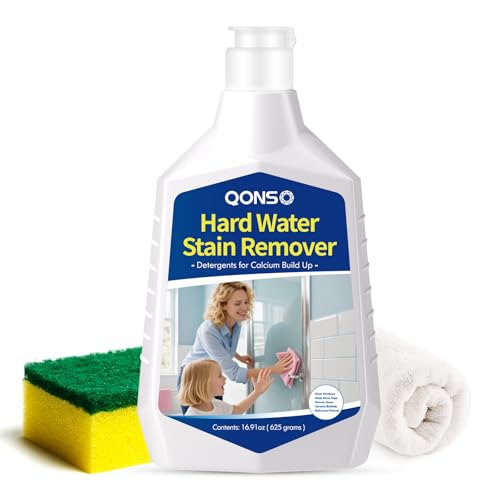
- Calcium remover for glass shower door 16 oz gel
- Razor scraper for glass cleaning calcium buildup
- Non-scratch scrub pad for calcium deposits on glass 4×6 inches


Before You Start
Assess the surface: glass can be etched if abrasives are used too aggressively. Test any cleaner on a small, inconspicuous area first. Work in a well-ventilated area and wear gloves to protect skin. For bathroom glass, consider reducing exposure time for heavy deposits to avoid prolonged chemical contact with seals and metal frames. Plan for a 15–30 minute cleanup session for typical showers and windows.
Critical cautions: never use metal scrubbers on delicate glass; always keep the razor scraper at a low angle to prevent gouging; rinse thoroughly to remove chemical residue.
Step-By-Step: How To Clean Calcium Off Glass
- Identify the deposits and choose the right tool: glossy, white mineral buildup responds well to chemical cleaners, while stubborn spots may need a razor scraper.
- Apply the cleaner: squeeze or squirt a generous line of calcium remover for glass shower door 16 oz gel onto the affected area. Do not allow it to dry fully.
- Let it dwell: allow the gel to sit for 3–5 minutes to soften mineral deposits. For very hardBuild ups, follow label guidance on dwell time.
- Scrub gently: using a non-scratch scrub pad for calcium deposits on glass 4×6 inches, scrub in a circular motion. Focus on edges and corners where buildup accumulates.
- Use a razor scraper for stubborn spots: hold the razor scraper for glass cleaning calcium buildup at a shallow angle (about 15–20 degrees) and gently lift the mineral film. Do not apply heavy pressure.
- Rinse and inspect: rinse with warm water, then inspect the glass. If residues remain, repeat steps 2–5 on small areas to avoid overexposure.
- Final wipe: use a clean, damp cloth to wipe away any remaining cleaner. Dry with a microfiber towel to prevent water spots and streaks.
- Prevent future buildup: wipe surfaces after use and consider sealing edges with a protective barrier or applying a water repellent designed for glass.
- Deep clean schedule: for showers, plan a monthly deep clean; for windows, align with seasonal maintenance to maintain clarity.
- Storage and disposal: cap and store cleaners as directed; dispose of used pads and towels according to local guidelines.
- Safety check: if irritation occurs, rinse skin with water and seek medical advice. Keep cleaners away from eyes and children.
- Finish with a protective rinse: a final rinse helps remove any chemical residues and leaves glass sparkling.
Troubleshooting
| Symptom | Likely Cause | Fix | Prevention |
|---|---|---|---|
| Streaks after cleaning | Residue left from cleaner | Rinse thoroughly; wipe with a microfiber cloth | Dry surfaces after cleaning |
| Spotty deposits remain | Deposits are very mineral-heavy | Repeat dwell time and scrub; consider a second application | Wipe down soon after bathroom use |
| Scratches appear | Razor scraper used too aggressively | Use lighter pressure and correct angle; switch to pad on delicate areas | Avoid metal tools on glass |
| Chemical smell strong | High concentration cleaner | Ventilate and limit dwell time | Opt for milder cleaners for sensitive surfaces |
Common Mistakes
- Using abrasive pads or metal scrapers on delicate glass surfaces
- Letting cleaner sit too long and drying on the surface
- Rubbing aggressively in one area, causing micro-scratches
To avoid these issues, always test a small area first, follow product instructions, and use tools appropriate for glass safety. Gentle, repeated passes are more effective than heavy, single scrubs for mineral deposits.
Tips For Best Results
- Combine warm water with cleaner for easier mineral removal.
- Work in small sections to prevent cleaner from drying on glass.
- Use a microfiber cloth for drying to prevent streaks and water spots.
- Schedule regular upkeep to minimize heavy buildup and reduce cleaning time.
- Consider a water softener or anti-scale treatment for hard water areas to reduce future deposits.
Call A Professional
Seek professional help if calcium buildup is extensive, if glass appears etched or permanently damaged, or if multiple attempts fail to restore clarity. Also contact a pro if you notice persistent streaking after cleaning or if seals and glazing around the glass are compromised.
FAQ
Can I use regular household vinegar to remove calcium from glass?
Vinegar can help with mineral deposits but may be less effective on thick buildup and can etch certain glass coatings. Use it cautiously and in combination with a dedicated cleaner when appropriate.
Is a razor scraper safe on shower glass doors?
Yes, if used at a shallow angle with light pressure and only on glass surfaces without metal frames that could be damaged.
How often should I clean calcium off shower glass?
Regular quick cleanups after showers can prevent heavy buildup; plan a deeper clean monthly or bi-monthly depending on water hardness.
What should I do after using calcium remover products?
Rinse thoroughly, dry with a microfiber cloth, and store products as directed to maintain safety and effectiveness.
Are there eco-friendly options for calcium removal?
Yes, many cleaners offer low-odor, biodegradable formulas. Always read labels to confirm safety for glass surfaces.
Will these methods work on frosted glass?
Frosted glass can be more sensitive; use gentler cleaners and avoid harsh abrasives to preserve texture while removing mineral deposits.
Buying Guide
When selecting products to remove calcium from glass, consider factors such as the size of the area, the level of buildup, and how frequently cleaning will occur. Key buying factors include:
- Size and coverage: Choose a cleaner that suits the scale of your space. A 16 oz gel works well for showers, while larger areas may require more product.
- Effectiveness on mineral deposits: Look for formulations designed specifically for calcium and mineral buildup on glass rather than general purpose cleaners.
- Application method: Gel formats cling to vertical surfaces, while sprays offer quick coverage. Razor scrapers provide physical removal for stubborn spots when used carefully.
- Material safety: Ensure the product is non-abrasive and non-scratch to protect glass surfaces, seals, and grout lines.
- Ease of use: Tools that require minimal dwell time and simple wiping reduce effort and time spent cleaning.
- Environmental and safety considerations: Eco-friendly formulas and low-odor options are preferable for bathrooms and kitchens alike.
- Storage and compatibility: Check that cleaners are compatible with your glass type and nearby materials, and store safely away from children.
To optimize results, pair a gel cleaner with a non-scratch pad and a precise razor scraper for stubborn areas. Regular maintenance reduces the frequency of intensive cleaning sessions and keeps glass clearer for longer.
Leave a Reply