How to Remove Calcium Buildup From a Coffee Maker
Calcium deposits can affect flavor, heat efficiency, and the overall performance of a coffee maker. This guide provides practical, step-by-step methods to safely dissolve mineral buildup using common descalers and cleaners, with an emphasis on American households and standard kitchen appliances.
Quick Answer
For most home coffee makers, run a descaling solution through a full brewing cycle, followed by two plain water cycles to rinse. Use a descaler specifically formulated for calcium buildup in coffee equipment, then scrub external surfaces and removable parts as needed with a cleaning brush.
What You’ll Need
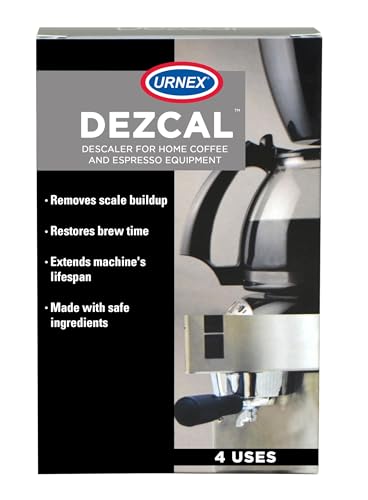
- coffee maker descaling tablets calcium buildup
- espresso machine descaler powder calcium buildup cleaner
- coffee maker cleaning kit descaler solution brush


Before You Start
Unplug the machine and allow it to cool before cleaning. Empty the carafe and remove any filters or baskets. Run a quick water-only rinse before descaling to reduce residue. Always follow the manufacturer’s guidelines for descalers and cleaning frequency. If your water is very hard, you may need more frequent cycles. Time estimates: 45–90 minutes for the full process, including cycles and rinsing.
Step-By-Step: How To Remove Calcium Buildup From A Coffee Maker
- Prepare the descaler according to product instructions; use a tablet or powder designed for coffee equipment to dissolve calcium buildup.
- Fill the reservoir with the recommended descaling solution and water mix, ensuring the solution covers the heating element area if possible.
- Run a complete brew cycle without coffee to allow the descaler to circulate through the system.
- Pause the cycle halfway to let the solution soak and loosen mineral deposits from internal tubing and the boiler.
- Finish the cycle, then let the machine sit for 15–20 minutes with the solution inside to maximize cleaning action.
- Rinse by running multiple cycles with clean water only; repeat until there is no scent or taste of the descaler in the water.
- Disassemble removable parts (carafe, basket, filter holder) and scrub with a soft brush; rinse thoroughly.
- Wipe the exterior with a damp cloth, paying attention to any ports or seams where buildup can accumulate.
Troubleshooting
| Symptom | Likely Cause | Fix | Prevention |
|---|---|---|---|
| Weak coffee flow or syrupy water | Blockage from mineral scale | Run another descaling cycle, then thorough rinse | Descale every 1–3 months based on usage |
| Off taste after cleaning | Residual descaler in system | Run 2–3 extra plain-water cycles | Rinse until odor-free |
| White powdery residue | Inadequate rinsing or mismatched descaler | Increase rinse cycles and use recommended product | Check compatibility with your model |
| Leaking around seals | Disassembly or worn seals | Reassemble carefully; replace seals if needed | Follow manufacturer guidelines |
Common Mistakes
- Using harsh or inappropriate descalers not labeled for coffee makers
- Mixing descalers with coffee during the cleaning cycle
- Rushing rinsing cycles, leaving traces of cleaner inside the machine
- Neglecting to clean removable parts or the carafe after descaling
By avoiding these missteps, you’ll maintain optimal flavor and extend the life of the equipment.
Tips For Best Results
- Use a descaler compatible with your exact model; some machines require specific products for safe mineral removal
- Run hot water cycles followed by cooler water cycles to prevent thermal stress
- Stagger descaling with routine cleaning to keep buildup at bay
- Keep a regular cleaning calendar; hard water users may benefit from monthly maintenance
- For single-serve brewers, pay attention to nozzle and needle cleaning to avoid localized deposits
Call A Professional
Seek professional assistance if the machine exhibits persistent leaks, electronics errors, or if descaling does not improve performance after multiple attempts. Do not disassemble internal components beyond the user-accessible parts, and avoid attempting repairs that could void warranties.
FAQ
What is the best descaler for calcium buildup in coffee makers?
Use a product specifically designed for coffee equipment, such as descaling tablets or powder labeled for calcium buildup removal, following the manufacturer’s instructions.
How often should I descale a coffee maker?
Frequency depends on usage and water hardness. In areas with hard water, descale every 1–3 months; otherwise, every 3–6 months is common.
Can I use vinegar to descale my coffee maker?
Vinegar can work, but it may leave an odor or impact taste. Check the user manual; many manufacturers recommend specialized descalers instead.
Is it safe to use cleaning brushes on the exterior and removable parts?
Yes, use soft-bristled brushes and non-abrasive cleaners on removable parts to prevent scratches.
Should I rinse between descaling cycles?
Yes, run several plain water cycles to flush residues and ensure no cleaning agents remain inside.
What should I do if buildup returns quickly?
Consider installing a water filter, adjusting cleaning frequency, and inspecting seals for leaks or improper seating that can encourage deposits.
Buying Guide
When selecting descalers and cleaning aids for a coffee maker, consider size, compatibility, and cleaning power. Key buying factors include:
- Size and compatibility: Choose descalers that match your machine’s capacity and model guidelines. Some products are designed for specific brands, while others are universal.
- Descaling power: Look for formulas proven to remove calcium and mineral buildup efficiently without harming seals or coatings.
- Ease of use: Tablets or powders that dissolve quickly and fit standard reservoirs simplify routines.
- Odor and taste considerations: Some products leave minimal aftertastes; prefer those with thorough rinse instructions and neutral scents.
- Maintenance kit contents: A cleaning kit with a descaler, brush, and dedicated cleaning solutions helps address multiple parts of the machine.
- Water hardness: In hard-water regions, a stronger or more frequent cleaning schedule may be needed.
- Placement and storage: Store cleaners in a cool, dry place and keep them away from children or pets.
Thinking about noise, energy use, and placement? Descalers themselves do not affect machine energy use, but a well-maintained unit runs more efficiently and can improve extraction temperature consistency. If the coffee maker sits in a kitchen cabinet, ensure adequate ventilation during cleaning cycles and avoid placing the unit on fragile surfaces while cleaning.
Leave a Reply