How to Clean Burnt Stove Top Safely
Burnt-on grease and sugar spills can mar the surface of a stove top, especially on ceramic and glass cooktops. This guide covers practical, step-by-step methods to restore shine without scratching delicate surfaces. By following careful scrubbing and using the right tools, you can remove stubborn residues while preserving the finish.
Readers can expect a straightforward approach that works for common kitchen messes, with safe practices for daily maintenance to prevent future buildup. The methods prioritize non-abrasive cleaners and dedicated scrapers designed for glass and ceramic cooktops.
Quick Answer
Best initial approach: apply a ceramic cooktop cleaner, let it sit, then use a dedicated razor scraper to lift burnt deposits. Finish with a non-scratch scrub pad for any remaining residue and wipe clean with a microfiber cloth.
What You’ll Need
- Ceramic cooktop cleaner kit with razor scraper
- Stovetop scraper glass cooktop razor blade kit
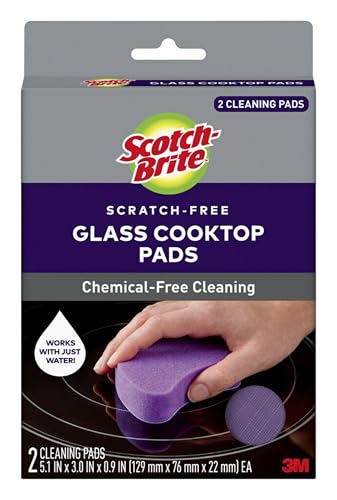
- Non-scratch scrub pad for burnt-on grease stove top
- Microfiber cloths or soft towels
- Gloves (optional for protection)


Before You Start
Clear the area around the stove and remove any loose debris. Ensure the burner is completely cool before cleaning. Work in a well-ventilated area to avoid fumes from cleaners. Never use abrasive steel wool or harsh oven cleaners on ceramic surfaces as they can scratch the finish and create permanent marks. Plan for a few minutes per treatment, especially for heavy burns.
Step-By-Step: How To Clean Burnt Stove Top
- Remove oven drips or loose debris from the cooktop surface with a dry cloth.
- Apply a sparing amount of ceramic cooktop cleaner kit with razor scraper to burnt areas and let sit for 1–2 minutes to soften.
- Gently rake the surface with the stovetop scraper glass cooktop razor blade kit held at a shallow angle to lift burnt material.
- Wipe away loosened debris with a microfiber cloth; repeat as needed for stubborn spots.
- For stubborn residues, use a non-scratch scrub pad for burnt-on grease stove top with light, circular motions.
- Rinse the area with a clean damp cloth to remove cleaner residue; dry with a fresh cloth.
- Polish the surface with a microfiber cloth to restore shine and monitor for remaining stains.
- Inspect for any remaining burnt patches and repeat only on those areas, avoiding excessive scrubbing.
- Finish with a light wipe to ensure a glossy, clean finish.
- Store tools and cleaners in a cool, dry place for future use.
- Schedule regular maintenance to prevent heavy buildup, such as weekly quick wipes after cooking.
- Document any persistent stains that resist standard methods for later review.
Troubleshooting
| Symptom | Likely Cause | Fix | Prevention |
|---|---|---|---|
| White streaks after cleaning | Residual cleaner or mineral deposits | Wipe with a damp cloth, then dry with microfiber | Rinse thoroughly and avoid over-application |
| Scratches appear after scrubbing | Using a harsh scraper or abrasive pad | Switch to non-scratch pad; use minimal pressure | Follow product instructions and use proper tools |
| Stubborn burnt-on spots return quickly | Residue baked during cooking | Apply cleaner, let sit longer, re-scrape gently | Clean spills promptly to prevent setting |
| Matte finish or dull area | Over-wiping with rough cloth | Use a fresh microfiber cloth, buff gently | Avoid using aggressive tools on the surface |
Common Mistakes
- Using abrasive pads or steel wool on ceramic glass surfaces
- Neglecting to let cleaners sit before scrubbing
- Rushing with the scraper, causing scratches
- Not drying the surface after cleaning, leading to streaks
Tips For Best Results
- Always allow the cooktop to cool completely before cleaning.
- Apply cleaner to the residue, not directly onto the glass edge where it can pool.
- Use circular motions with a non-scratch pad for even results.
- Dry the surface thoroughly to prevent watermarks or streaks.
- Consider a routine after-meal wipe-down to minimize future buildup.
Call A Professional
Seek professional help if the surface shows deep cracks, chips, or significant discoloration that cleaning cannot remedy. If the burner or electrical elements appear damaged or emitting strange odors during cleaning, contact a licensed technician immediately.
FAQ
Can I use bleach to clean burnt stove top?
Bleach is not recommended for ceramic glass surfaces as it can cause discoloration and damage; use a cleaner designed for ceramic cooktops.
Is it safe to use a razor scraper on a ceramic cooktop?
Yes, but use the appropriate razor scraper kit and hold it at a shallow angle to avoid scratches.
How often should I clean burnt-on stains?
Clean up spills promptly after cooking and perform a deeper clean when heavy residues accumulate, typically weekly for busy kitchens.
Will these methods work on all stoves?
These methods suit ceramic and glass cooktops; metal or coil stoves require different approaches.
Buying Guide
When selecting tools for cleaning a burnt stove top, consider size, compatibility with your surface, and ease of use. A dedicated ceramic cooktop cleaner kit with an integrated razor scraper provides efficient burn removal, while a separate stovetop scraper glass cooktop razor blade kit offers flexibility for tougher deposits. A non-scratch scrub pad helps with delicate, burnt-on grease without scratching.
Key buying factors include size and layout of the cooktop, noise level of any oscillating scrub tools, energy efficiency of integrated cleaning devices (where applicable), and user controls for return-to-use after cleaning. Ensure you place tools within easy reach near the stove and store cleaning agents safely away from children. Consider packs that include multiple blades or interchangeable heads for longer-term use, and verify that cleaners are specifically formulated for ceramic or glass cooktops to prevent damage.
Leave a Reply