How to Clean Burnt Pan From Our Place Nonstick Pan
Burnt-on food and grease can seem stubborn, especially on a beloved Our Place nonstick pan. This guide walks through practical, kitchen-safe methods to restore your pan’s surface without damaging the coating. Using common household tools and the right scrubbing aids, you can remove burnt residue and keep your pan looking and performing like new.
Quick Answer
Soak the pan with warm water and dish soap, then scrub with a Our Place nonstick pan cleaning brush nylon scrubber or a non-scratch nylon scrub pad for burnt pan residue. If residue sticks, use a pan scraper tool for burnt-on food and baked-on grease to lift it away. Finish with a gentle rinse and dry thoroughly to protect the nonstick surface.
What You’ll Need
- Warm water and mild dish soap
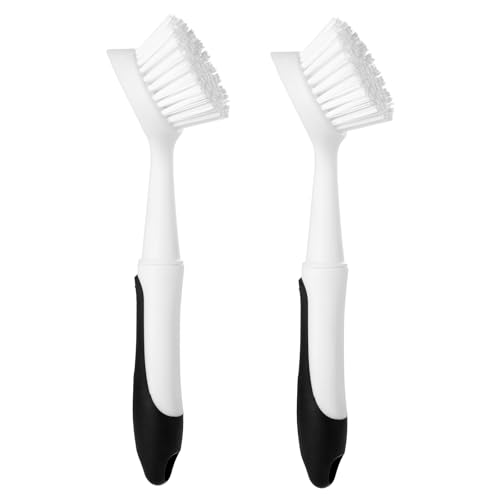
- Our Place nonstick pan cleaning brush nylon scrubber
- non-scratch nylon scrub pad for burnt pan residue
- pan scraper tool for burnt-on food and baked-on grease
- Soft sponge or cloth for drying
- Optional: white vinegar or baking soda for tough stains


Before You Start
Prepare a clean workspace and avoid abrasive methods that could scratch the nonstick surface. Allow the pan to cool before washing to prevent warping. Soaking helps loosen burnt residue, reducing the need for aggressive scrubbing. Never use metal scrubbers on nonstick coatings, as they can cause lasting damage. Plan for a 10–20 minute cleaning window, depending on how stubborn the burn is.
Step-By-Step: How To Clean Burnt Pan From Our Place Nonstick Pan
- Rinse the pan under warm water to remove loose debris.
- Fill the pan with warm water and add a drop of mild dish soap; let it soak for 5–10 minutes.
- Gently lift burnt sections with the pan scraper tool for burnt-on food and baked-on grease while the pan is submerged.
- Use the Our Place nonstick pan cleaning brush nylon scrubber to scrub in circular motions, applying light pressure.
- For stubborn spots, switch to the non-scratch nylon scrub pad for burnt pan residue and continue scrubbing.
- Rinse and inspect. If any residue remains, repeat the soaking and scrubbing steps.
- For really tough stains, sprinkle baking soda on a damp sponge and scrub with the scrub pad; wipe clean.
- Rinse thoroughly with warm water until all soap is gone, then dry with a soft cloth or towel.
- Store the pan completely dry to prevent moisture-related coating issues.
- If you notice dulling or flaking of the coating, stop using the pan and consult the manufacturer guidelines.
- Repeat maintenance after cooking highly acidic foods to minimize staining.
Troubleshooting
| Symptom | Likely Cause | Fix | Prevention |
|---|---|---|---|
| Burnt residue persists after scrubbing | Residue bonded to surface | Soak longer, then use scraper and scrub pad | Pre-soak after cooking |
| Streaks or cloudiness | Soap residue or mineral deposits | Thorough rinse; wipe with a dry microfiber cloth | Rinse promptly after cleaning |
| Coating appears scratched | Abrasion from hard scrubs or metal | Switch to non-scratch tools; discontinue if damage worsens | Use only nonmetal scrubbing tools |
| Pan smells burnt after cleaning | Residual grease | Rewash with mild detergent and water, then dry | Clean promptly after use with appropriate tools |
Common Mistakes
- Using metal scrubbers or harsh abrasives on the nonstick surface
- Soaking too long, which can loosen coating or handles over time
- Rinsing with hot water too quickly, causing thermal shock
- Skipping drying, which may lead to dulling or rust on metal parts
Tips For Best Results
- Always start with warm water and mild soap; temperature helps lift burnt food without harsh scrubbing
- Keep cleaning tools dedicated to nonstick pans to avoid cross-contamination and scratches
- Occasionally treat the surface with a light oil after drying to help maintain coating integrity
- Adjust technique: light pressure for delicate areas, firmer pressure only on stubborn spots
Call A Professional
Seek professional help if the nonstick coating begins to peel, crack, or chip, or if the pan shows signs of warping after cleaning. Unusual odors or persistent staining that doesn’t respond to standard cleaning may also warrant a professional assessment.
FAQ
Can I use vinegar to remove burnt residue?
Yes, white vinegar can help loosen residue when mixed with water, but avoid using it in excess on certain nonstick surfaces—test a small area first.
Is it safe to soak a nonstick pan overnight?
Long soaks are generally discouraged; brief soaks (10–20 minutes) are usually sufficient and safer for coatings.
What’s the best way to dry a nonstick pan?
Dry with a soft cloth or paper towel to prevent water spots; ensure the pan is completely dry before storing.
Should I clean a burnt pan after every use?
Regular light cleaning after cooking helps prevent buildup and makes occasional heavy cleaning easier.
Buying Guide
Choosing the right pan-cleaning setup for an Our Place nonstick pan involves several factors. Consider size and cookware flow in the kitchen when selecting tools. While a pan scraper tool for burnt-on food and baked-on grease is helpful for heavy deposits, a gentle non-scratch nylon scrub pad for burnt pan residue protects delicate coatings during regular maintenance. The Our Place nonstick pan cleaning brush nylon scrubber offers a targeted clean for corners and edges. Evaluate noise levels, ease of use, and whether tools are dishwasher-safe for ongoing convenience. In busy households, a compact kit that combines scrubbing brushes and scrapers can speed up cleaning without compromising coating integrity. Always follow manufacturer care guidelines to maximize lifespan.
Leave a Reply