How to Clean a Burnt Enamel Pot
Quick Answer
For burnt enamel pots, start with warm water and a gentle cleaner designed for cookware. Use a non-scratch scrub brush for enamel cookware and a soft enamel cookware cleaning sponge pad to lift residues without scratching. Repeat as needed and rinse thoroughly for a shiny finish.
What You’ll Need
- Enamel pot cleaner cream for cookware
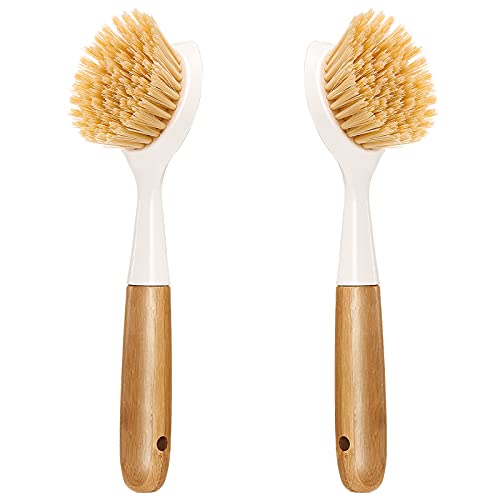
- Non-scratch scrub brush for enamel cookware
- Enamel cookware cleaning sponge pad
- Warm water
- Baking soda (optional)
- White vinegar (optional)
- Dish soap
- Soft cloth or towel for drying


Before You Start
Prepare a clean workspace and ensure the pot is cool before handling. Never scrub a hot enamel surface or use harsh abrasive powders, which can dull the glaze. Soak the pot in warm, soapy water for 15–30 minutes to loosen stubborn burnt areas. If the residue is stubborn, apply a small amount of enamel pot cleaner cream and let it sit for a few minutes before scrubbing.
Step-By-Step: How To Clean Burnt Enamel Pot
- Fill the pot with warm water and a few drops of dish soap; let it soak for 15 minutes.
- Drain and inspect the burnt areas to gauge how tough the residue is.
- Apply a line of enamel pot cleaner cream for cookware to the burnt spots.
- Gently scrub with a non-scratch scrub brush for enamel cookware in circular motions.
- For stubborn spots, sprinkle a bit of baking soda on the damp surface and scrub again.
- Rinse with warm water and repeat the cleaning cycle as needed.
- Alternate with a vinegar rinse if mineral stains remain; let sit 5 minutes, then scrub softly.
- Finish with a dedicated enamel cookware cleaning sponge pad to lift fine particles.
- Dry thoroughly with a soft cloth to prevent water spots and preserve the glaze.
Troubleshooting
| Symptom | Likely Cause | Fix | Prevention |
|---|---|---|---|
| White film or dull spots | Soap residue or mineral deposits | Rinse thoroughly; wipe with a vinegar solution | Rinse completely after cleaning |
| Stubborn burnt rings | Heat damage or hard residue | Reapply cleaner cream and scrub with the non-scratch brush | Avoid overheating; use gentle heat |
| Scratched enamel | Using abrasive tools | Switch to softer pads and non-scratch brush | Use only recommended tools |
| Residue returning after washing | Not drying fully | Dry with a soft towel, then air dry | Dry promptly after cleaning |
Common Mistakes
- Using steel wool or harsh scouring powders on enamel surfaces
- Soaking for too long with aggressive cleaners that can strip glaze
- Using extremely hot water on a cold enamel pot, which can crack enamel
- Neglecting to rinse off cleaner residue completely
Tips For Best Results
- Always start with warm water and mild dish soap to loosen burnt areas.
- Let cleaner sit on tough spots for a few minutes to maximize effectiveness.
- Use the non-scratch scrub brush first, reserving sponge pads for finish work.
- For mineral buildup, a white vinegar rinse can help without harming enamel; avoid letting vinegar sit on color-coated enamel for long periods.
- Regular maintenance after cooking helps prevent heavy buildup; rinse promptly and dry thoroughly.
Call A Professional
Seek professional help if the enamel is chipped, cracked, or if the pot has significant structural damage. Do not continue using cookware with visible cracks, as compromised enamel can harbor bacteria and contaminate food. If heavy stains persist after multiple cleaning attempts, consider replacement guidance from a kitchenware specialist.
FAQ
Can I use bleach on enamel pots?
Bleach is not recommended for enamel cookware as it can degrade the glaze and affect color. Stick to mild cleaners and natural rinses.
Is it safe to soak enamel pots overnight?
Short soaks are fine when using mild cleaners. Overnight soaking with harsh cleaners can dull the glaze; monitor and rinse thoroughly.
What should I do if the enamel chips off?
Chips require replacement of the item, as exposed metal can rust and toxic material may leach into food.
How often should I clean my enamel pots?
Clean promptly after use to prevent baked-on residue. A light routine cleaning after every few uses helps maintain the glaze.
Are enamel pots dishwasher safe?
Many enamel pots are dishwasher safe, but hand washing with a soft cloth or sponge preserves the glaze longer and reduces dulling.
Will baking soda damage enamel?
No, baking soda is gentle when used with a soft brush; avoid using it with abrasive tools that can scratch enamel.
Buying Guide
When choosing enamel cookware and care products, consider size and shape to fit your usual cooking tasks. Look for a pot with a robust, smooth enamel glaze and a sturdy handle. Noise level and energy efficiency are less about cleaning, but choose units that heat evenly to minimize scorching. For cleaning, select products designed for enamel surfaces, such as enamel pot cleaner cream for cookware, a non-scratch scrub brush for enamel cookware, and an enamel cookware cleaning sponge pad. Assess compatibility with your dishwasher and hand-washing preferences. Think about storage space, whether you need a multi-piece set, and how the color or finish fits your kitchen aesthetic. Finally, verify that cleaners are fragrance-free or mild if you have sensitivities, and follow manufacturer guidelines to maintain the finish over time.
Leave a Reply