How to Clean Burn Marks Off Glass Stove Top
A glass stove top offers a sleek look but can show burn marks easily. With the right steps and proper tools, you can restore a smooth, streak free surface. This guide provides practical methods to lift stubborn residue while protecting the glass surface.
Quick Answer
Pain point is stubborn burn marks on ceramic glass cooktops. Use a non abrasive cleaner, a scraper designed for glass, and a microfiber cloth. Apply gentle pressure, work in small circles, and rinse with a damp cloth. For persistent marks, reapply cleaner and repeat the process until the surface shines.
What You’ll Need
- Ceramic cooktop glass scraper with razor blade
- Stovetop cleaning cream for ceramic glass cooktop
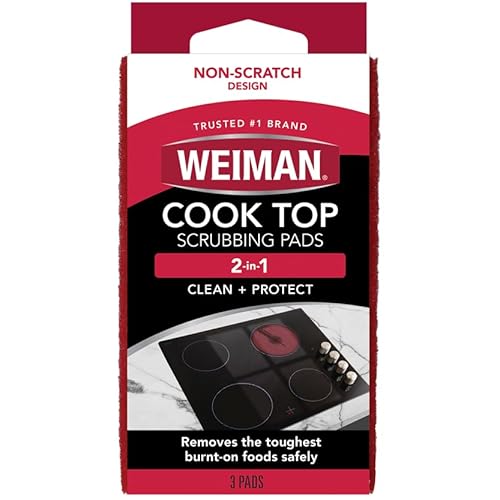
- Microfiber cleaning cloth and scrub pad set for glass stove top


Before You Start
Turn off the stove and let the surface cool completely before cleaning. Remove any loose food particles with a soft cloth. Protect surrounding surfaces from cleaner and avoid placing hot pans on the area during the process. Time estimate for a typical cleanup is 15 to 25 minutes depending on burn mark severity. Do not use abrasive steel wool or harsh powders as they can scratch the glass. Use only products labeled safe for ceramic glass cooktops.
Step-By-Step: How To Clean Burn Marks Off Glass Stove Top
- Inspect the marks to determine if they are baked on or light residue. Start with the mildest method to avoid scratching the surface.
- Apply a small amount of stovetop cleaning cream to the burn area. Follow the product directions for recommended amount and dwell time.
- Use the microfiber cloth to spread the cleaner in circular motions, applying light to moderate pressure. This helps lift surface residues without scratching.
- For stubborn spots, use the ceramic cooktop glass scraper with razor blade at a low angle. Hold the blade nearly flat to the surface and glide it across the mark in a controlled motion.
- Wipe away lifted residue with a clean microfiber cloth. Rinse the cloth frequently to avoid re depositing debris.
- Reapply cleaner if needed and repeat the process until the surface returns to a smooth, glossy finish.
- Finish with a clean damp cloth to remove any cleaner traces. Buff the area with a dry microfiber cloth for a streak free shine.
- Inspect the entire cooktop for any remaining burn marks. Address any small spots with a repeat of steps 2 through 7 as needed.
- For repeated heavy marks, consider a second pass after allowing the cleaner to rest briefly, ensuring the cleaner does not dry on the surface.
- Regular maintenance helps prevent future buildup. Wipe down after cooking to keep marks at bay and maintain a pristine surface.
- Store tools in a dry place away from direct heat to prolong their effectiveness and safety.
Troubleshooting
| Symptom | Likely Cause | Fix | Prevention |
|---|---|---|---|
| Scratches appear after cleaning | Excessive pressure or blade angle | Reduce pressure and keep blade nearly flat against the surface | Use a dedicated scraper and follow product directions |
| Streaks or cloudiness | Residue left behind | Wipe with a damp cloth and dry thoroughly | Rinse well and buff with microfiber cloth |
| Marks return after a day | Baked on residue or hard water deposits | Repeat cleaning cycle with cleaner and scraper | Clean regularly after use to prevent buildup |
| Cleaner creates a strong odor | Overuse or incompatible product | Use small amounts and ventilate the area | Choose products labeled for ceramic glass cooktops |
Common Mistakes
- Using steel wool or abrasive powders that scratch the glass
- Letting cleaner dry on the surface before wiping
- Rushing the scraper motion which can gouge the surface
- Using hot cleaner on a still warm cooktop
Tips For Best Results
- Clean burn marks promptly after they form to prevent permanent staining
- Test cleaner on a small inconspicuous area first
- Keep the blade angle shallow to reduce risk of scratches
- Use a two cloth method: one to apply cleaner, one to wipe away residue
- Consider a dedicated cleaning routine after each heavy cooking session
Call A Professional
Seek professional help if the glass shows deep scratches, chips, or heat damage that affects the surface integrity. Do not attempt large scale repairs at home, as improper restoration can worsen the problem and may affect appliance safety or warranty coverage.
FAQ
Can I use vinegar or lemon juice on a glass cooktop?
Vinegar and citrus may work for light residues but can degrade some finishes. Use cleaners designed for ceramic glassCooktops to avoid damage.
Is it safe to use a razor blade on a ceramic glass cooktop?
Yes, with caution. Use a scraper rated for glass cooktops and hold it at a shallow angle to avoid scratching.
How often should I clean burn marks from a glass stove top?
Clean any burn marks as soon as you notice them to prevent permanent staining. A quick wipe after cooking can reduce buildup.
What should I do if the surface remains dull after cleaning?
Try a second cleaning pass with a fresh cloth. If dullness persists, consult a professional for an evaluation of the surface.
Buying Guide
When selecting products for glass stove top care, consider the following factors. Size and fit of cleaners, compatibility with ceramic glass, and safety certifications matter. Noise level is less relevant for cleaners, but ease of use and fragrance preferences may matter. Look for energy efficient, easy to rinse formulas and non abrasive options that protect the surface. Pay attention to placement and storage of tools to keep the cooking area organized. A well chosen set supports ongoing care, helping to keep a stylish glass cooktop free of burn marks.
Leave a Reply