How to Clean Buildup From Hardwood Floors
Hardwood floors bring warmth and elegance to homes, but they can accumulate stubborn buildup from daily footing, spills, and outdoor dirt. Proper cleaning removes grime without dulling the finish or damaging the wood. This guide provides practical steps, tools, and safety notes to restore gloss and extend the life of hardwood surfaces.
Quick Answer
Use a gentle approach: start with dry or damp microfiber methods to lift grime, then use a soft-bristled hardwood floor scrub brush for spot cleaning, followed by a microfiber mop for a thorough pass. If buildup is persistent, consider an electric floor buffer polisher for a light, controlled polish that preserves the finish. Always follow manufacturer recommendations for your floor finish.
What You’ll Need
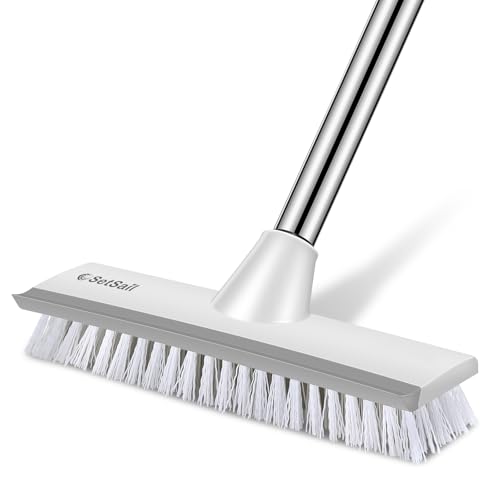
- Soft-bristled hardwood floor scrub brush
- Microfiber mop for hardwood floors cleaning
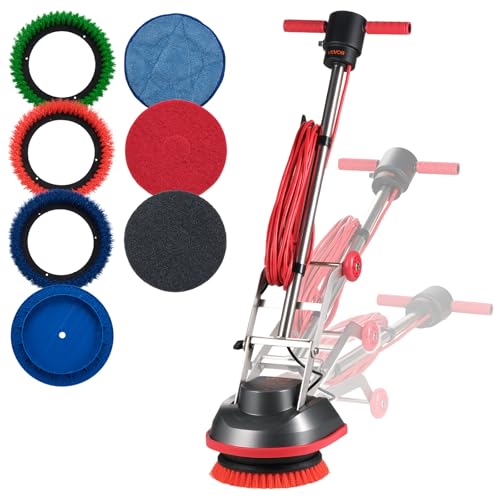
- Electric floor buffer polisher for hardwood floors

Before You Start
Before cleaning, clear furniture and rugs from the room. Vacuum or sweep to remove loose grit that could scratch the finish. Check the floor’s finish type (site-brand or installer label) and use a cleaner formulated for that finish. Test any cleaner in an inconspicuous area first to avoid dulling or discoloration. Allow the floor to acclimate to room temperature if the area has been recently wet. Plan for a 30–60 minute cleaning window for typical rooms.
Step-By-Step: How To Clean Buildup From Hardwood Floors
- Begin with a dry microfiber mop to pick up surface dust and hair.
- Lightly dampen the microfiber mop and sweep across the floor to remove more stubborn grime without saturating the wood.
- Dip the soft-bristled hardwood floor scrub brush into a pH-neutral cleaner and gently scrub areas with visible buildup, working in the direction of the grain.
- Rinse the mop frequently to avoid redepositing dirt. Wring out excess moisture before continuing.
- For recessed grime or sticky spots, use a small amount of cleaner on the scrub brush and target the area with even, circular motions.
- Once buildup is loosened, go over the entire surface with a clean, damp microfiber mop to remove any residue.
- Optionally, use the electric floor buffer polisher for a light pass on smooth, finished hardwood to restore sheen—follow the tool’s attachment and speed guidelines, and avoid over-using it on thin finishes.
- Allow the floor to air-dry completely before moving furniture back into place.
- Inspect the floor for any remaining spots and re-clean those areas if needed.
- Finish with a quick dry-pass using a dry microfiber pad to ensure a spotless, streak-free surface.
- Store tools in a dry area and reinspect the floor after a few days for any new buildup or spots.
Troubleshooting
| Symptom | Likely Cause | Fix | Prevention |
|---|---|---|---|
| Streaks after cleaning | Harsh cleaner or excess moisture | Switch to pH-neutral cleaner and use minimal moisture | Wipe with a dry microfiber pad |
| Finish dulls or cloudy look | Incompatible cleaner or residue | Rinse thoroughly and use finish-approved products | Test in an inconspicuous area first |
| Scratches appearing | Grit trapped in pads or brushes | Clean tools between passes; use soft-bristled brush | Vacuum or sweep before cleaning |
| Sticky surface after cleaning | Residual cleaner or wax buildup | Rinse with clean water and dry completely | Use the minimum effective cleaner |
Common Mistakes
- Using excessive water or steam on unfinished or poorly sealed floors.
- Choosing abrasive cleaners or powders that scratch the finish.
- Over-wetting the floor, which can seep into seams and warp wood.
- Skipping a test patch on a small area before full-room cleaning.
Avoid these missteps by following manufacturer guidelines and using tools designed for hardwood care.
Tips For Best Results
- Clean on a schedule that matches foot traffic; high-traffic areas may need more frequent touch-ups.
- Use mats at entrances to reduce tracked-in dirt and grit that cause buildup.
- Dust with a microfiber cloth or mop between deep cleanings to minimize buildup.
- Choose a neutral cleaner formulated for hardwood floors and follow label directions for dilution and contact time.
- Repairs or refinishing may be needed if buildup has penetrated the finish; consult a professional if unsure.
Call A Professional
Consider contacting a hardwood flooring professional if you notice significant finish wear, color change, warping, or persistent buildup that does not respond to standard cleaning. Stop cleaning and seek expert advice if you detect swelling, gaps between boards, or unfamiliar odors, which may indicate moisture damage.
FAQ
Can I use vinegar on hardwood floors?
Vinegar may dull finishes over time; use a cleaner formulated for hardwood floors or a diluted pH-neutral solution recommended by the floor manufacturer.
How often should I deep clean hardwood floors?
Frequency depends on traffic and pets, but a deep clean every 1–3 months is common for busy homes.
Is an electric floor buffer safe for all hardwood finishes?
Only use buffers with attachments and settings recommended by the floor finish manufacturer; avoid aggressive polishing on unfinished or thin finishes.
What’s the best way to remove sticky residue?
Apply a small amount of pH-neutral cleaner to a microfiber pad and gently work the area; rinse with a clean, damp pad to remove any residue.
Buying Guide
When selecting products and tools for cleaning buildup on hardwood floors, consider size, noise, energy use, and suitability for your finish. A balanced approach helps protect the floor while delivering effective cleanliness.
Size and Coverage
Choose a microfiber mop with a wide head for larger rooms and a compact version for tight spaces. A scrub brush should be soft-bristled to prevent scratches, and a lightweight buffer can help with occasional polishing without overworking the floor.
Noise Level
Electric buffers can be louder; check decibel ratings and use during appropriate hours to minimize disturbance.
Energy Efficiency
Manual cleaning tools consume no power, while electric buffers should offer energy-efficient options and variable speeds for different jobs.
Controls and Compatibility
Verify that cleaners and buffers are compatible with your floor finish (water-based, urethane, oil-modified, etc.). Read label instructions for dilution, contact time, and safety.
Placement and Storage
Store tools in a dry area away from heat sources. Keep cleaners in their original containers and out of reach of children and pets.
Multi-Purpose Use
Some microfiber mops and brushes work well on other sealed surfaces in the home, but confirm suitability for wood floors to avoid cross-use damage.
Leave a Reply