How to Clean a Buffing Wheel for Safe, Effective Polishing
Buffing wheels are essential for achieving a smooth, polished finish on automotive surfaces and other projects. Regular cleaning helps preserve the wheel’s texture and performance while preventing contamination from old compound, debris, and built-up residue. This guide covers practical methods to clean a buffing wheel, including tools, steps, troubleshooting, and maintenance tips.
Quick Answer
Start by removing excess compound and debris with a stiff brush, then use a dedicated buffing wheel cleaner solvent to break down oils. Finish with a nylon-bristle buffing wheel cleaning brush to restore the surface, and, if needed, a buffing wheel restoration kit with polishing compounds for deep cleaning and conditioning.
What You’ll Need
- nylon-bristle buffing wheel cleaning brush
- buffing wheel cleaner solvent for automotive polishing
- buffing wheel restoration kit with polishing compounds
- Gloves and eye protection
- Compressed air or a clean, dry cloth
- Manufacturer’s safety data sheet (SDS) for cleaners
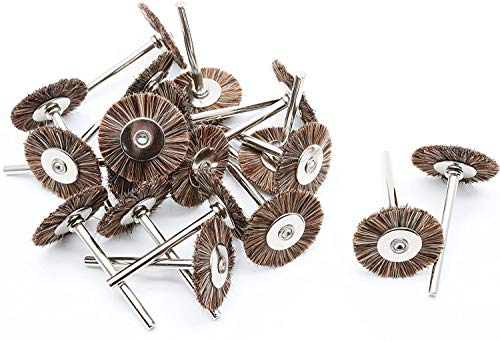


Before You Start
Set up in a well-ventilated area and secure the buffing wheel properly on the machine. Wear safety gear and disconnect power when performing cleaning steps that require manual handling. Allow the wheel to cool before touching, especially after heavy use. Be cautious of heat buildup during cleaning, which can affect the bond between the wheel and its backing.
Critical cautions: never use solvent near open flames, avoid soaking a hot wheel, and follow the wheel manufacturer’s guidelines for cleaning frequency and methods.
Step-By-Step: How To Clean A Buffing Wheel
- Power down the machine and unplug it to prevent accidental starts during cleaning.
- Gently remove loose grit and spent compound with a dry cloth or a dusting brush.
- Brush the wheel surface with a nylon-bristle buffing wheel cleaning brush to lift embedded debris without damaging the wheel fibers.
- Apply a small amount of buffing wheel cleaner solvent for automotive polishing to a clean cloth or sponge and wipe the wheel surface in a circular motion.
- Work the solvent into the wheel’s pores, allowing it to break down oils and old polishing compounds. Avoid saturating the wheel.
- Rinse or wipe away residue with a damp cloth, then dry the wheel thoroughly with a clean towel or compressed air.
- Inspect for remaining residues. If needed, repeat the cleaning steps using the buffing wheel cleaner solvent and the brush until the surface is free of buildup.
- For deeper cleaning, use a buffing wheel restoration kit with polishing compounds following the kit’s instructions to restore the wheel’s texture and conditioning.
- Reassemble and recheck balance and attachment before resuming work. Spin the wheel at low speed to confirm smooth operation and absence of wobble.
- Document maintenance: note the cleaning date and any performance notes to establish a routine schedule.
Troubleshooting
| Symptom | Likely Cause | Fix | Prevention |
|---|---|---|---|
| Excessive debris remains after cleaning | Insufficient brushing or solvent contact | Repeat cleaning steps with proper brush technique | Clean after use; avoid letting residue build up |
| Wheel fibers fraying or thinning | Overly aggressive brushing or improper solvent | Use gentler strokes and ensure solvent is compatible | Follow manufacturer guidelines for cleaning frequency |
| Wheel feels unbalanced or vibrates | Residue trapped during cleaning | Re-clean and verify mounting and balancing | Keep area free of oils and debris during tasks |
| Faint odor or fumes during cleaning | Inadequate ventilation or solvent concentration | Ventilate workspace; dilute or switch to milder solvent | Work in a ventilated area and store chemicals properly |
Common Mistakes
- Using excessive solvent that saturates the wheel and backing
- Brushing too aggressively, causing fiber damage
- Neglecting to dry the wheel completely, leading to corrosion or mildew in some cases
- Skipping safety gear or ventilation, especially when working with solvents
Tips For Best Results
- Schedule regular cleaning after extended use to prevent buildup and maintain cutting efficiency.
- Test a small, inconspicuous area first when using a new solvent or polishing compound.
- Keep a dedicated cleaning kit on hand to streamline maintenance and reduce cross-contamination between wheels.
- Store wheels in a clean, dry area to prevent moisture-related issues between uses.
Call A Professional
Consider calling a professional if the wheel shows significant damage, unusual noises after cleaning, or if rebalancing requires specialized equipment. Stop using the wheel immediately if there is visible cracking, severe wear, or if the backing shows signs of separation.
FAQ
How often should I clean a buffing wheel?
Clean after heavy use or when you notice residue buildup to maintain performance and prevent contamination.
Can I use water to clean a buffing wheel?
Water can be inappropriate for some solvents or wheel materials; follow the solvent manufacturer’s guidelines and avoid soaking the wheel.
Is it safe to use a buffing wheel cleaner solvent for automotive polishing on all wheels?
Most wheels tolerate automotive polishing solvents, but always check the wheel manufacturer’s cleaning recommendations.
What if the wheel still looks dirty after cleaning?
Repeat the cleaning steps with fresh cleaner and brush; if residue persists, use a buffing wheel restoration kit to rejuvenate the surface.
Buying Guide
When selecting buffing wheel cleaning supplies and related products, consider several factors to ensure compatibility with your equipment and projects.
- <bSize and compatibility: Confirm the wheel size and backing material to choose appropriate brushes and solvents. Larger wheels may require longer brushes and stronger solvents.
- <bNoise level and stability: Some maintenance steps can influence wheel balance; stable, well-mounted wheels reduce noise and vibration during operation.
- <bEnergy efficiency: Not a primary factor for cleaning, but efficient tools minimize wear and heat, supporting longer wheel life.
- <bControls and simplicity: Easy-to-follow cleaning products and kit instructions save time and reduce error.
- <bPlacement and storage: Store cleaning supplies away from heat, sunlight, and moisture; keep wheels in a clean, dry space to prevent moisture-related issues.
To optimize results, combine the approaches above with the recommended products and steps. Do you prefer a quick-clean routine for routine maintenance or a deeper restoration approach for heavily used wheels?
Leave a Reply