How to Clean Buffer Pads for Safe, Lasting Use
Keeping buffer pads clean extends their life and maintains polishing results. Proper cleaning removes residual compounds, dust, and oils that can degrade future finishes. This guide walks through a practical, step-by-step process using common tools and a dedicated cleaning kit to restore pads after each detailing session.
Quick Answer
Rinse the pad under lukewarm water, gently agitate with a car polishing pad cleaning brush nylon bristles, apply a suitable buffer pad washing kit car detailing with cleaning solution, rinse again, and air-dry completely before reuse. Avoid harsh solvents that can damage foam or fibers.
What You’ll Need
- Dual action polisher buffer pad cleaning brush with soft, flexible bristles
- Car polishing pad cleaning brush nylon bristles for stubborn spots
- Buffer pad washing kit car detailing with cleaning solution that is safe for foam and microfiber pads
<li Clean water source and a small basin or sink
<li Optional fan or drying rack for faster air-drying


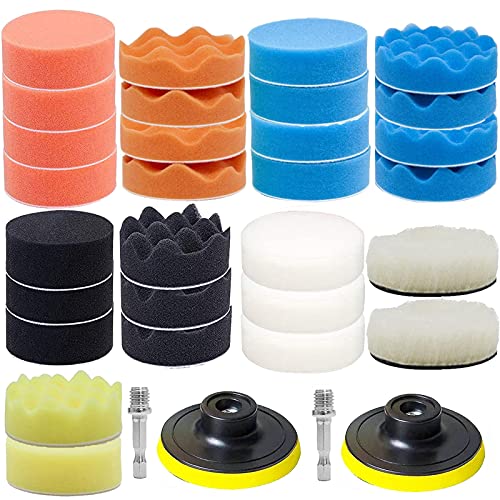
Before You Start
Choose a work area with good ventilation and a drainable surface. Inspect pads for damage—cracks or separated foam mean replacement is due. Wear gloves if you have sensitive skin. Time estimate: 10–20 minutes per pad, including drying. Important: never machine-wash foam pads or use high-heat drying, which can deform the foam. Always rinse thoroughly to remove all cleaning solution residues.
Step-By-Step: How To Clean Buffer Pads
- Detach the pad from the backing plate and shake off loose debris into a trash bin or compostable bag.
- Rinse the pad under lukewarm running water to remove surface compounds.
- Apply a small amount of buffer pad washing kit car detailing with cleaning solution to the pad surface.
- Use the dual action polisher buffer pad cleaning brush with gentle pressure to work the solution into the foam or microfiber, focusing on edges where buildup collects.
- Rinse again until the water runs clear and no suds remain. Repeat if necessary.
- Gently squeeze out excess water without twisting to avoid deforming the padding.
- Place pads on a drying rack or hang them in a well-ventilated area away from direct sunlight.
- Allow pads to air-dry completely. This may take several hours depending on humidity.
- Return pads to the buffer or storage container once dry, keeping pads organized by type and use.
- Inspect pads before next use for any signs of wear or embedded debris that could mar finishes.
- If pads smell musty after drying, repeat cleaning with fresh solution and ensure thorough drying next time.
Troubleshooting
| Symptom | Likely Cause | Fix | Prevention |
|---|---|---|---|
| Foam pads feel sticky after washing | Cleaning solution residue | Rinse thoroughly until water runs clear | Use correct dilution and rinse twice |
| Foam tearing or shedding | Overly aggressive brushing or aging foam | Use gentler pressure; replace worn pads | Inspect for wear before each use |
| Pads retain odor | Incomplete drying or deep-set residues | Clean with fresh solution and ensure complete drying | Air-dry fully; store in a ventilated area |
| Stains on pad edges | Harsh compounds or old residues | Pre-soak in mild solution and brush edges | Rinse between uses with clean water |
Common Mistakes
- Using hot water or high-heat drying, which damages foam
- Brushing too aggressively, causing fiber or foam to fray
- Skipping thorough rinsing, leaving residue that contaminates future polishes
- Ignoring pad wear and continuing to reuse damaged pads
Tips For Best Results
- Clean pads promptly after use to prevent set-in residues.
- Label pads by purpose (polishing, compounding, finishing) to avoid cross-contamination.
- Use a dedicated cleaning brush with soft bristles to protect delicate fibers.
- Store pads flat or hanging to maintain shape and prevent deformation.
- Consider rotating pads to even out wear and extend life.
Call A Professional
Seek professional help if pads show persistent tearing, chemical damage, or persistent odors after cleaning. If you notice backing plate wear that affects pad alignment, or if you are unsure about compatible cleaning solutions for your specific pads, contact a detailing pro.
FAQ
Can I wash buffer pads in a washing machine?
Machine washing is not recommended for foam or microfiber buffer pads as it can deform or tear the padding.
How do I dry pads quickly after cleaning?
Use a drying rack in a well-ventilated area or a fan to accelerate air-drying. Avoid direct sun exposure and heat.
What happens if pads are still damp before polishing?
Wait until pads are completely dry to prevent uneven polish application and residue transfer.
Are there pads that require special cleaners?
Some pads may have specific care instructions; always follow the manufacturer’s guidelines for your buffer pads.
Should I clean pads after every use?
Yes, cleaning after each detailing session helps maintain performance and pad longevity.
Is a dedicated cleaning kit necessary?
A dedicated buffer pad washing kit helps ensure compatibility with pad materials and protects finishes.
Buying Guide
Choosing the right buffer pad care tools and kits depends on pad type, usage frequency, and available space. When evaluating a buffer pad washing kit car detailing with cleaning solution, consider the following factors:
- Pad type and material: Foam, microfiber, and hybrid pads have different care needs. Use tools and cleaners designed for the specific material.
- Cleaning solution quality: Opt for pH-balanced cleaners that effectively remove residues without degrading foam.
- Brush design: A car polishing pad cleaning brush nylon bristles with soft bristles protects delicate surfaces while dislodging buildup.
- Water temperature: Lukewarm water is generally safe; avoid hot water that can warp foam.
- Drying method: Adequate airflow and a drying rack prevent moisture retention and odor.
- Storage: Proper shelving or bins prevent pad deformation and cross-contamination between pads.
- Cost vs. longevity: A slightly higher-priced kit may offer better materials that last longer and improve results.
How many pads do you own, and how often do you detail? If you handle multiple vehicles weekly, a robust cleaning kit paired with a dedicated brush set is worth the investment. For casual use, a compact kit plus a few pads may suffice. Always prioritize tools that preserve pad integrity and safe polishing outcomes.
Leave a Reply