How to Clean Brushed Nickel Faucets
Brushed nickel faucets add a warm, modern touch to kitchens and baths, but their matte finish can show water spots, fingerprints, and mineral deposits. With the right routine, you can keep them looking bright and uniform without damaging the surface. This guide provides practical steps, safe products, and tips tailored for American homes.
Quick Answer
Use a gentle, non-abrasive cleaner and a soft cloth or brush, followed by a thorough rinse and dry. Avoid harsh chemicals and abrasive tools that can dull the finish. Regular light cleaning prevents buildup and preserves the nickel’s luster.
What You’ll Need
- Brushed nickel faucet cleaner spray
- Microfiber cloth for brushed nickel faucet polishing
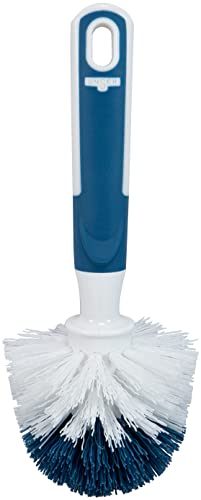
- Non-scratch scrub brush for brushed nickel faucet cleaning
- Warm water
- Soft towel or dry microfiber cloth


Before You Start
Test any cleaner on a small, inconspicuous area first. Use warm water and a mild soap solution for initial cleaning. Do not use vinegar, lemon juice, or bleach on brushed nickel, as acidic or caustic cleaners can degrade the finish. Protect surrounding surfaces and turn off any water supplies if you need to work behind the faucet. Plan for 10–20 minutes per cleaning session, depending on buildup.
Critical cautions: avoid abrasive pads, scouring powders, and metal polish not designed for brushed nickel. Always dry surfaces after cleaning to prevent water spots and streaks.
Step-By-Step: How To Clean Brushed Nickel Faucets
- Remove any items around the faucet to create a clean working zone and prevent contamination.
- Mist the faucet with the brushed nickel faucet cleaner spray, focusing on tarnish-prone areas and joints.
- Allow the cleaner to sit for 1–2 minutes to loosen mineral deposits and fingerprints.
- Gently scrub with a non-scratch scrub brush, using light, circular motions to lift grime without scratching the surface.
- Wipe away the cleaner with a damp microfiber cloth, ensuring all residue is removed.
- Rinse the faucet with clean warm water to flush away any remaining cleaner or loosened deposits.
- Dry thoroughly with a soft towel or microfiber cloth to prevent water spots and streaks.
- Polish the surface with a dry microfiber cloth to restore the satin shine and even tone.
- Inspect for stubborn spots; repeat steps 2–7 as needed, focusing on the base and under-sink areas where buildup tends to accumulate.
- Finish with a light spritz of cleaner and a quick wipe for continued protection and easier future cleaning.
- Replace any items around the sink and resume normal use after surfaces are dry.
- Schedule regular quick cleanings (weekly or biweekly) to maintain the finish and reduce deeper buildup.
Troubleshooting
| Symptom | Likely Cause | Fix | Prevention |
|---|---|---|---|
| Streaks or dull finish | Residual cleaner or water spots | Re-wipe with clean water and dry thoroughly | Dry immediately after cleaning; use microfiber |
| Visible water spots after drying | Hard water minerals | Finish with a light buff using a clean microfiber | Install a water softener if minerals are frequent |
| Fading or discoloration | Harsh cleaner or abrasive tools | Switch to a dedicated brushed nickel cleaner spray and soft brush | Avoid acidic cleaners |
| Scratches or dull micro-scratches | Excessive scrubbing with abrasive tools | Stop using harsh pads; use only non-scratch brush | Regular, gentle cleaning |
Common Mistakes
- Using vinegar, citrus, or bleach on brushed nickel
- Scrubbing with abrasive pads or metal brushes
- Waiting too long between cleanings, allowing heavy buildup
- Skipping drying, which leads to water spots and mineral deposits
Tips For Best Results
- Dust and wipe down fixtures weekly to minimize buildup between deeper cleanings.
- Always test new cleaners on a small area before full application.
- Choose a cleaner specifically designed for brushed nickel to preserve the matte finish.
- Use a two-step approach: clean with cleaner spray, then buff with microfiber for shine.
Call A Professional
Consider contacting a professional if you notice persistent staining that doesn’t respond to cleaning, pitting, or unusual discoloration. Seek help if the finish appears chipped or if plumbing work has caused tarnish around seams or inside the spout. If you observe leaks during or after cleaning, shut off the water supply and consult a licensed plumber.
FAQ
Can I use vinegar to clean brushed nickel faucets?
No. Vinegar and similar acidic cleaners can damage the brushed nickel finish over time.
How often should I clean brushed nickel faucets?
Light weekly wipe-downs plus a deeper clean every 2–4 weeks helps maintain luster and prevent buildup.
What tools are best for cleaning brushed nickel?
A non-scratch scrub brush, microfiber cloths, and a cleaner spray designed for brushed nickel work well together.
Will cleaning affect the finish options on newer brushed nickel products?
Most finishes are durable when cleaned with mild cleaners and soft tools; avoid harsh chemicals and abrasive methods.
Buying Guide
When choosing products and planning maintenance, consider size, noise level, energy efficiency, controls, and placement for your brushed nickel setup.
- Size and compatibility: Ensure spray and cloth sizes match the faucet’s reach and spout area for thorough cleaning.
- Cleaning products: Select a faucet cleaner spray labeled safe for brushed nickel and paired with a microfiber cloth and non-scratch brush.
- Placement considerations: Under-sink areas and tight corners may accumulate deposits; choose tools that reach tight gaps.
- Ease of use: A simple routine with a spray, brush, and cloth saves time and reduces risk of damage.
- Maintenance frequency: Regular, quick cleanings prevent heavy buildup and preserve finish integrity.
With the right approach, brushing nickel faucets remain radiant and uniform. Ready to simplify maintenance? The right tools and a steady routine help keep sinks gleaming with minimal effort.
Leave a Reply