How to Clean Bronze Safely and Effectively
Bronze is a classic metal that can develop a patina over time. With the right approach, you can remove tarnish, restore shine, and preserve its finish without damaging delicate surfaces. This guide outlines a practical, safe method for cleaning bronze at home, suitable for antique and modern pieces alike.
Whether you’re refreshing a bronze decorative item, jewelry, or hardware, following a structured process helps achieve consistent results while minimizing risk to the material.
Quick Answer
Use a gentle cleaning method first—a soft cloth and mild polish or a bronze-specific cleaner—to reduce tarnish. For tougher spots, carefully employ a polishing kit and felt wheel with a light abrasive rouge. Always test on a small area and avoid harsh chemicals on antique finishes.
What You’ll Need
- Bronze cleaning kit buffing wheel and polishing compound 3 inch
- Dremel bronze polishing kit felt wheel rouge compound
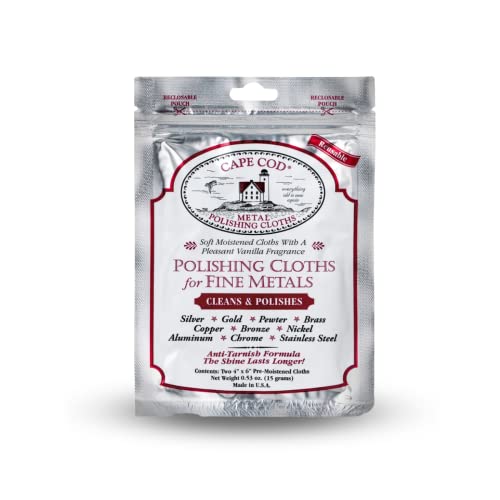
- Soft microfiber polishing cloths bronze cleaner kit for antique bronze
- Non-abrasive cleaning solution suitable for bronze
- Soft-bristle brush or cotton swabs for detail work
- Protective gloves and eye protection


Before You Start
Assess the piece to determine if a protective patina or antique finish is intentional. Avoid aggressive abrasives on highly ornate or historically significant items. Work on a clean, stable surface in a well-ventilated area. Time estimate for a typical piece: 20–60 minutes depending on tarnish level. Wear gloves to protect your hands and prevent oil transfer from skin onto the metal. If the item is valuable or vintage, consider consulting a professional before cleaning.
Step-By-Step: How To Clean Bronze
- Set up your workspace with good lighting and a soft cloth under the piece to catch any debris.
- Dust the surface with a soft brush to remove loose dirt and debris.
- Apply a small amount of a non-abrasive bronze cleaner to a microfiber cloth and gently rub in circular motions.
- For intricate details, use a cotton swab to reach crevices, then wipe away residue with a clean cloth.
- If tarnish persists, use a bronze cleaning kit buffing wheel and polishing compound 3 inch mounted on a slow-speed rotary tool. Lightly apply the compound and work in small sections with even pressure.
- Switch to a Dremel bronze polishing kit felt wheel rouge compound for a final polish on raised features and decorative edges. Keep the tool moving to avoid heat buildup.
- Wipe the piece with a clean microfiber cloth to remove any remaining compound. Allow it to air dry completely.
- Optionally, apply a thin coat of bronze-safe wax or sealant to protect the finish after polishing. Buff lightly with a soft cloth for a satin look.
- Inspect for uniform shine and note any areas that may require a second pass. Repeat steps as needed with caution.
- Store cleaned items in a dry environment to prevent future tarnish buildup. Regular light cleaning can maintain brightness without harsh methods.
- Dispose of used wipes and materials according to local guidelines and keep cleaners away from children and pets.
Troubleshooting
| Symptom | Likely Cause | Fix | Prevention |
|---|---|---|---|
| Slow or uneven shine | Insufficient cleaning or uneven pressure | Revisit with light pressure and small circular motions | Clean in small sections; don’t rush |
| Scratching after polishing | Using an abrasive compound too aggressively | Switch to a gentler polish and a softer wheel | Test on a hidden area first |
| Discoloration after cleaning | Residue from cleaner or wax buildup | Wipe with a clean microfiber cloth and re-buff | Rinse with mild water and dry thoroughly |
| Rings or white residue | Creamy cleaner residue | Wipe with damp cloth to remove residue, then dry | Use minimal cleaner and wipe promptly |
Common Mistakes
- Using harsh household cleaners or metal polishes not designed for bronze
- Over-polishing decorative finishes or antique patinas
- Cleaning in humid environments without proper drying
- Applying excessive force or heat with power tools
Following careful, measured steps helps preserve bronze’s unique character while restoring it to its best shine.
Tips For Best Results
- Test any cleaner on a small, inconspicuous spot before full use.
- Work in a sequence from light to heavier polish to avoid over-processing.
- Use a dedicated polishing cloth for bronze to prevent cross-contamination with other metals.
- Keep tools clean and free of abrasive debris; contamination can scratch the surface.
- Store bronzes away from moisture and direct sunlight to slow tarnish resurgence.
Call A Professional
Consider professional help if the piece is severely tarnished, has a delicate patina, or is an antique with historical value. Stop cleaning and consult a restorer if you notice:
- Cracks, flaking, or structural damage
- Uncertainty about the finish or patina's integrity
- Valuable or priceless items where improper cleaning could reduce value
FAQ
Is bronze cleaning safe for antique pieces?
Yes, but use gentle products and avoid aggressive abrasives or changes to protective patinas. Test first on a hidden area.
Can I use household cleaners on bronze?
Prefer bronze-specific cleaners or mild solutions. Harsh chemicals can damage finish or patinas.
How often should I clean bronze items?
Light cleaning as needed to remove dust and fingerprints is usually sufficient. Deep cleaning only when tarnish is noticeable.
What’s the best way to protect bronze after cleaning?
Apply a light wax or sealant designed for bronze to slow tarnish and maintain luster. Buff to a soft sheen.
Buying Guide
When selecting bronze cleaning tools and kits, consider several factors to match the piece and user experience:
- Size and compatibility: Choose a kit with buffing wheels and compounds that fit your tool’s arbor and speed. For small items, a 3-inch wheel is often ideal; larger pieces may require bigger wheels.
- Noise level: Some polishing tools can be noisy. Look for variable speed options and low-vibration designs for comfortable use.
- Energy efficiency: Electric polishing tools that deliver efficient torque at low speeds help reduce wear and heat buildup.
- Controls: Easy-to-read speed controls and reversible operation can improve precision on detailed areas.
- Placement: A stable, well-lit workspace with a ventilated area reduces mess and improves safety. Use a mat or tray to catch residues.
For most bronze projects, a combination of a dedicated bronze polishing kit and a felt wheel rouge compound provides reliable results. If you’re new to polishing, start with gentle cleaning and advance to mechanical polishing only after you’re comfortable with the technique. Regular maintenance, including light cleaning and protective coatings, helps extend the life and appearance of bronze items.
Leave a Reply