How to Clean Bronze Without Removing Patina
Bronze pieces can gain character from a natural patina, but dirt and tarnish may dull their luster. This guide explains a careful method to clean bronze while preserving the patina, using gentle methods and patina-friendly products.
With the right approach, you can brighten bronze surfaces for daily beauty or display without stripping the unique aging that gives each piece its history.
Quick Answer
Use a patina-safe cleaner paste sparingly, paired with a non-abrasive bronze polishing cloth and a nylon-bristle brush designed for patina preservation. Gently wipe, rinse, and dry, avoiding harsh scrubbing or strong chemicals that could strip the patina.
What You’ll Need
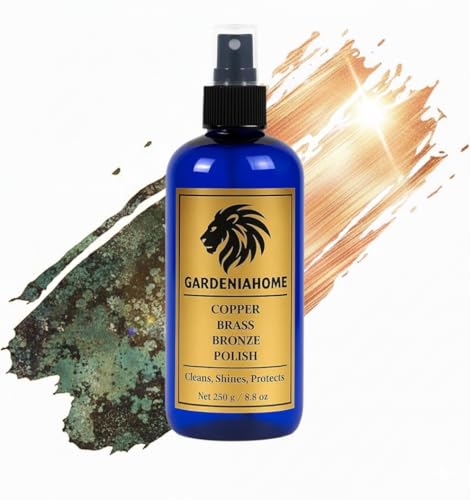
- patina-safe bronze cleaner paste
- non-abrasive bronze polishing cloth microfiber
- bronze cleaner brush nylon bristle for patina preservation


Before You Start
Assess the bronze piece for surface damage, corrosion, or active green verdigris. Test any product on a small inconspicuous area first. Work in a well-ventilated space and wear gloves to protect skin. Never apply abrasive powders or harsh acids, which can remove patina or scratch the metal. Allocate 15–30 minutes for most projects, plus drying time.
Step-By-Step: How To Clean Bronze Without Removing Patina
- Clear the area and set up a soft workspace to minimize scratches on the bronze surface.
- Gently dust the piece with a clean microfiber cloth to remove loose dirt.
- Apply a small amount of patina-safe bronze cleaner paste to the brush and work in light, circular motions along the grain of the bronze.
- Lightly brush any crevices or textured areas with the bronze cleaner brush nylon bristle for patina preservation to lift embedded grime without abrading the patina.
- Dampen a corner of the non-abrasive bronze polishing cloth microfiber with water and wipe off the cleaner paste, moving in gentle strokes to avoid patina disturbance.
- Rinse a second time with a barely damp cloth to remove any residue, then dry immediately with a soft, lint-free cloth.
- Inspect the surface for remaining dull areas. If needed, repeat the gentlest cleaning step on those spots only.
- Apply a light, even buff with the microfiber cloth to restore a subtle sheen without altering the patina depth.
- For display pieces, consider a thin protective wax or sealant designed for patina preservation and follow product directions precisely.
- Store or display the item away from direct sunlight, humidity, or corrosive environments to maintain the patina over time.
- Document any changes in appearance to track how the patina responds to routine cleaning for future upkeep.
- Schedule periodic touch-ups using the same gentle method to prevent buildup while preserving character.
Troubleshooting
| Symptom | Likely Cause | Fix | Prevention |
|---|---|---|---|
| Dull haze remains after cleaning | Residue from cleaner paste | Wipe with a clean damp cloth, then dry thoroughly | Use minimal product and a soft cloth |
| Patina appears lighter or uneven | Over-brushing in spots | Spot-clean only where needed with light pressure | Test on an inconspicuous area first |
| Scratches or wear on high-relief areas | Over-aggressive brushing | Switch to softer strokes or reduce brushing frequency | Use a nylon brush with gentle bristles |
| Green verdigris forms after cleaning | Moisture exposure or chemical reaction | Dry immediately and avoid prolonged moisture | Keep surfaces dry and store in stable humidity |
Common Mistakes
- Using abrasive pastes or metal polishes on patina-preserving bronze
- Applying cleaners directly to heavily patinated areas without dilution or testing
- Rubbing too hard, which can wear away subtle patina layers
- Over-wetting the piece, causing water spots or corrosion over time
Tips For Best Results
- Clean in small sections to control the process and monitor patina response.
- Use the patina-safe bronze cleaner paste sparingly—less is more.
- Always finish with a soft buff using the microfiber cloth to avoid streaks.
- Document any cleaning steps for future reference and consistency.
- Consider professional conservation guidance for antique or highly valuable items.
Call A Professional
Seek a professional conservator or metalrestoration expert if the bronze shows severe corrosion, flaking patina, or priceless value. Stop cleaning and consult a pro if you notice swelling, unusual discoloration, or if the piece is structurally compromised.
FAQ
Is it safe to clean bronze with water?
Yes, but use minimal moisture and dry promptly to prevent water spots or corrosion.
Can I use regular polishing cloths on patina-preserving bronze?
Prefer non-abrasive microfiber cloths, as harsher fabrics can scratch delicate patina.
Will cleaning remove the patina?
When done carefully with patina-safe products, patina depth is preserved while grime is removed.
How often should I clean bronze pieces?
Clean when buildup becomes noticeable, then perform routine light maintenance to keep patina intact.
Are protective coatings recommended after cleaning?
Light, compatible sealants designed for patina preservation can be used if appropriate for the piece.
What should I do if patina lightens unevenly?
Refine technique with gentler strokes on affected areas and recheck after drying.
Can I use household cleaners on bronze?
Avoid household cleaners that contain ammonia or acids; use patina-friendly formulas instead.
Buying Guide
When choosing products to clean bronze without removing patina, consider the following factors:
- <bSize and surface type: Larger statues or ornate panels may require a bigger brush head and more surface control.
- <bNoise level in mechanical brushes—opting for quiet, gentle nylon-bristle tools helps preserve patina.
- <bEnergy efficiency of cleaning tools matters for repeated use; look for hand-powered or low-energy devices.
- <bControls like variable brush stiffness and adjustable moisture for precise work.
- <bPlacement considerations, ensuring you can reach crevices without tipping the piece or risking damage.
Beyond tools, choose a patina-safe bronze cleaner paste and a non-abrasive bronze polishing cloth microfiber that are gentle yet effective. For textured surfaces, a bronze cleaner brush nylon bristle for patina preservation helps lift grime without eroding patina depth. When in doubt, prioritize conservation over aggressive cleansing and consult a professional for antique or valuable items.
Leave a Reply