How to Clean Brick Pavers Without a Pressure Washer
Brick pavers add timeless curb appeal to sidewalks, driveways, and patios. When they stain or dull, a full power wash isn’t always needed or desired. This guide shows practical, safe methods to refresh brick pavers without a pressure washer, using common cleaning tools and household supplies.
Quick Answer
Yes — you can clean brick pavers effectively without a pressure washer. Start with basic sweeping, apply a cleaning solution, scrub with manual brushes, and rinse with a garden hose. For stubborn grime, repeat and consider a deeper scrub using targeted brushes. Always test a small area first to prevent surface damage.
What You’ll Need
The following tools are recommended to cover most brick-paver cleaning tasks. They are drawn from common masonry and outdoor cleaning tools for easy, accessible use.
- Stiff nylon bristle scrub brush for brick pavers — removes embedded dirt without etching.
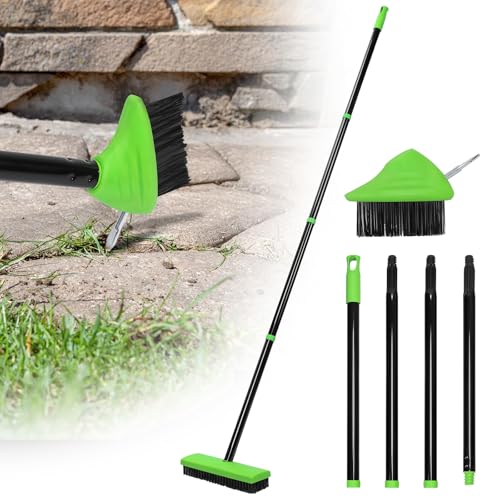
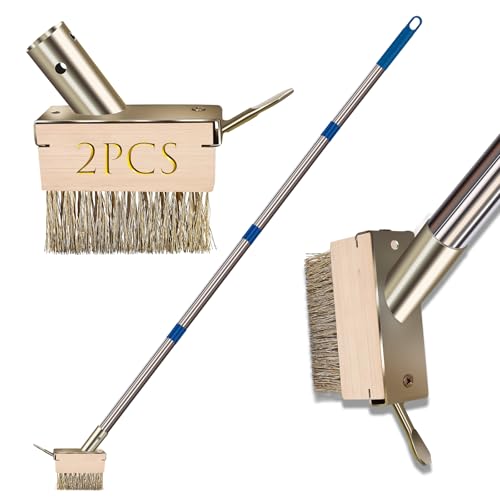
- Long-handled masonry cleaning brush outdoor pavers — improves leverage for scrubbing large areas.
- Paver cleaning brush kit with deck brush and grout brush — versatile for edges and joints.

Before You Start
Assess the area and prepare the surface. Clear furniture, plants, and debris. Sweep or blow away loose dirt, then mist the surface with water to dampen the pavers. Prepare a cleaning solution appropriate for brick, such as a mild detergent or a vinegar-water mix for natural cleaning. Protect nearby plants and grass with plastic sheeting if using stronger cleaners. Time estimate: 45–120 minutes, depending on area and severity. Avoid harsh acidic cleaners on sealed or decorative pavers, as they can damage the surface.
Step-By-Step: How To Clean Brick Pavers Without a Pressure Washer
- Sweep the entire area to remove loose debris and prevent scratching during scrubbing.
- Mix a cleaning solution: a mild detergent in warm water, or a vinegar-water solution for light soils. Test a small area first.
- Dip the stiff nylon bristle scrub brush for brick pavers into the solution and start scrubbing in a systematic pattern, working in sections.
- For tight joints, switch to the paver cleaning brush kit with deck brush and grout brush to reach between pavers without bending excessively.
- Rinse the area with a garden hose on a gentle spray setting to remove soap and loosened dirt.
- If stains persist, apply a second scrub with a stronger concentration or a paste of baking soda and water on stubborn spots, then scrub again.
- Rinse thoroughly and repeat as needed until the surface looks uniform and bright.
- Allow the area to dry completely, then inspect for any remaining stains or unevenness and address if necessary.
Troubleshooting
| Symptom | Likely Cause | Fix | Prevention |
|---|---|---|---|
| Stains persist after scrubbing | Stubborn mineral deposits or mold | Apply a mild cleaner recommended for brick and re-scrub; consider a baking soda paste | Regular cleaning to prevent set-in stains |
| Surface looks rough after cleaning | Aggressive scrubbing or harsh cleaner | Switch to gentler brushes and milder solutions | Use recommended brushes and dilute cleaners |
| Brick color uneven | Uneven cleaning or moisture | Evenly rinse and allow to dry; repeat as needed | Clean in shade to control drying and prevent spotting |
| Spots reappear after rain | Underlying soil or sealer issues | Deep clean and consider sealant reapplication if appropriate | Sealants compatible with brick pavers; follow manufacturer guidance |
Common Mistakes
- Using a metal-bristle brush on brick pavers, which can scratch the surface.
- Soaking joints with water without scrubbing first, which can push dirt deeper.
- Choosing household cleaners not suited for brick, causing discoloration.
- Neglecting to test cleaners on a hidden area before full use.
Proper technique and suitable tools reduce the risk of damage and improve results.
Tips For Best Results
- Work in shade or during cooler parts of the day to prevent quick drying and water spots.
- Use a steady, even scrub in a consistent pattern to cover all joints and surfaces.
- Alternate between brushing and rinsing to keep solution active and dirt suspended for easier removal.
- For large areas, combine the long-handled brush with a wider deck brush to cover ground more efficiently.
- If mold or mildew is present, treat with a diluted bleach solution only if bricks are untreated and not sealed; follow safety guidelines and rinse well.
Call A Professional
Consider contacting a pro if brick pavers show significant cracking, loose joints, or extensive structural damage. Stop cleaning if you notice efflorescence, soft mortar, or shifting pavers, which may indicate underlying issues best handled by a specialist.
FAQ
Can I use household cleaning products on brick pavers?
Yes, but choose products labeled safe for brick and test in a small area first to avoid discoloration or damage.
Do I need to seal brick pavers after cleaning?
Sealing is optional and depends on the brick type and location. Sealing can protect against stains but may require maintenance and proper product selection.
How often should brick pavers be cleaned without a power washer?
For residential areas, cleaning every 6–12 months helps maintain appearance, with more frequent cleaning after heavy use or weather events.
What if the pavers are old or cracked?
Older or cracked pavers may need repair or replacement; cleaning alone cannot fix structural damage.
Is it safe to use bleach on brick pavers?
Bleach can be effective for mold but may discolor or weaken certain brick finishes. Use diluted solutions and rinse thoroughly.
What should I do about stubborn mold between pavers?
Use a stronger mold cleaner intended for masonry and scrub with the grout brush to reach between joints.
Can I use a garden hose to rinse off cleaning solution?
Yes, set to a gentle spray to avoid forcing dirt into gaps while thoroughly cleaning the surface.
Buying Guide
When choosing tools and products to clean brick pavers without a pressure washer, consider size, weight, and grip for prolonged use. Noise level is usually not a concern with manual brushes, but handle comfort matters. Look for durable, stiff-bristle brushes designed for masonry to prevent surface damage. Consider a versatile kit with a deck brush and grout brush for tight joints and edge work. If your paving area is large, a long-handled option reduces strain and improves leverage. Finally, verify that cleaners are brick-safe and suitable for your paver finish, and always test on a hidden area first.
Leave a Reply