How to Clean Breville Kettle
Breville kettles combine stylish design with practical performance, but mineral buildup from hard water can affect heating efficiency and taste. This guide provides step-by-step instructions to safely descale and clean a Breville kettle, using common descaling products and a dedicated cleaning brush for thorough interior care.
Whether you notice white mineral deposits, cloudy water, or slower boiling times, routine cleaning helps extend the life of the kettle and maintain optimal performance. The methods below focus on safe appliances care for stainless steel interiors and exterior finishes.
Quick Answer
Descale regularly using kettle descaler tablets or descaling powder designed for stainless steel, then wipe with a soft cloth. For hard-to-reach areas, use a kettle cleaning brush long handle interior spout to scrub deposits gently. Rinse thoroughly and boil plain water to remove any cleaning residue.
What You’ll Need
- Kettle descaler tablets stainless steel for Breville
- Descaling powder for electric kettle stainless steel
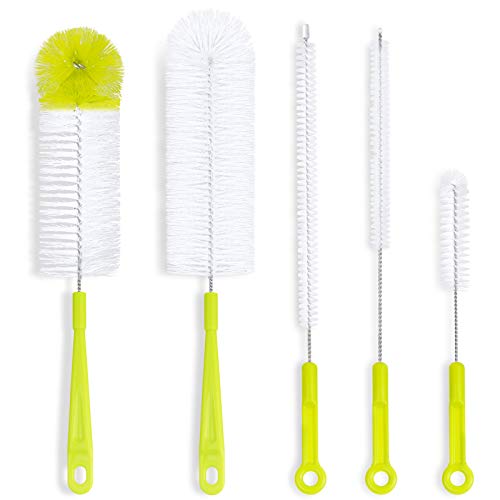
- Kettle cleaning brush long handle interior spout
- Soft cloth or sponge
- Water for rinsing


Before You Start
Unplug the kettle and ensure it is cool before touching. Empty the kettle completely and detach any removable parts according to the user manual. Use descalers appropriate for stainless steel to prevent corrosion. Check that the lid, spout, and filter are accessible for thorough cleaning. Time estimate: 20–40 minutes for a full clean and descale.
Step-By-Step: How To Clean Breville Kettle
- Read the Breville user manual for any model-specific cautions before descaling.
- Remove the filter screen if present and rinse under warm water to clear loose debris.
- Pour descaling powder for electric kettle stainless steel or kettle descaler tablets stainless steel for Breville into the kettle according to the product’s instructions.
- Fill with water to the maximum fill line, avoiding overfilling, and place the kettle back on its base.
- Turn the kettle on and allow the descaling solution to reach a boil, then turn off and let it soak for 10–15 minutes.
- Lightly scrub interior surfaces with the kettle cleaning brush long handle interior spout to dislodge mineral buildup, paying attention to the spout and corners.
- Pour out the cleaning solution completely and rinse the kettle thoroughly with clean water multiple times to remove any residue.
- Boil fresh water once or twice to ensure all cleaning agents are flushed out; discard this water.
- Wipe the exterior with a soft cloth to remove fingerprints and smudges; reassemble the filter if removed.
- Perform a final rinse with plain water, then test the kettle by boiling a small amount of water and discarding it.
- Regular maintenance: descale every 1–3 months depending on water hardness and use frequency.
- Store the kettle in a dry area and avoid leaving water in the reservoir after use to minimize mineral buildup.
Troubleshooting
| Symptom | Likely Cause | Fix | Prevention |
|---|---|---|---|
| Kettle makes dull sound or doesn’t start | Electrical issue or mineral buildup | Check power connection; perform a gentle descalering and rinse | Regular descaling schedule |
| Cloudy or stained interior | Mineral deposits | Use descaler and brush to scrub; rinse thoroughly | Use soft water when possible |
| Residue on boiled water | Cleaning agent not fully flushed | Boil and discard several batches of water | Rinse until clear |
| Exterior paint or coating peels | Harsh cleaning agents | Switch to mild cleaners; avoid abrasive pads | Use appropriate cleaners for stainless steel |
Common Mistakes
- Using undiluted or incompatible descalers on stainless steel surfaces
- Forgetting to rinse the interior multiple times after descaling
- Overfilling the kettle during the cleaning process
- Using metal scrubbers that can scratch the interior
Tips For Best Results
- Choose a descaler labeled safe for stainless steel and compatible with Breville kettles.
- Set a reminder to descale every few months based on water hardness.
- Keep the kettle clean by wiping the exterior after each use to preserve finish.
- Use the cleaning brush regularly to reach the spout and lid area.
- Always rinse thoroughly and boil plain water before using for daily beverages.
Call A Professional
Consider consulting a service technician if the kettle shows persistent leakage, unusual electrical behavior, or physical damage to the cord or base. Stop using the kettle immediately if you notice scorching, burning smells, or irregular boiling patterns that do not resolve after cleaning.
FAQ
Can I use any descaling product in my Breville kettle?
Use descalers specifically labeled for stainless steel and compatible with electric kettles. Always follow the product directions.
How often should I descale a Breville kettle?
Descale every 1–3 months depending on water hardness and usage, or sooner if mineral buildup is evident.
Is it safe to use a kettle cleaning brush inside the spout?
Yes, a long-handle interior spout brush designed for kettles can safely remove buildup when used gently.
What should I do after descaling to ensure water is safe to drink?
Boil fresh water and discard it to remove any cleaning residue, then rinse and boil clean water before use.
Should I remove the filter during cleaning?
Yes, remove the filter if present, rinse well, and reinsert after the interior has been cleaned and dried.
Can mineral buildup affect kettle performance?
Yes, mineral deposits can reduce heating efficiency and affect taste; regular descaling maintains performance.
Buying Guide
When selecting descaling and cleaning supplies for a Breville kettle, consider size compatibility and ease of use. Look for products labeled as safe for stainless steel and specifically for electric kettles. Evaluate whether the kit includes a long-handle interior spout brush to reach hard-to-clean areas. Consider a descaler with clear instructions and minimal odor. For ongoing maintenance, pairing a descaler with a mild descaling powder can offer flexible options. Finally, choose a kit that fits your cleaning routine, whether you prefer quick descaling tablets or a powder that you mix with water for a thorough soak.
Leave a Reply