How to Clean a Brass Lamp for Brilliant Shine
Brass lamps add a warm, classic touch to spaces, but tarnish and fingerprints can dull their brilliance. This guide provides practical, step-by-step methods to clean brass lamps safely, preserving finishes while restoring their glow. With common household supplies and a brass cleaning kit, you can achieve a polished look without professional help.
Whether you’re refreshing an antique brass lamp or maintaining a modern brass fixture, the right approach depends on the finish and temper of the metal. The methods below cover general cleaning, gentle polishing, and occasional deep cleaning to remove stubborn tarnish while protecting delicate details.
Quick Answer
Choose a gentle cleaner first, then polish with a soft microfiber cloth. For stubborn tarnish, use a brass cleaner spray or brass polishing cream, followed by a lint-free cloth. Always test a hidden area first and dry completely to prevent water spots.
What You’ll Need
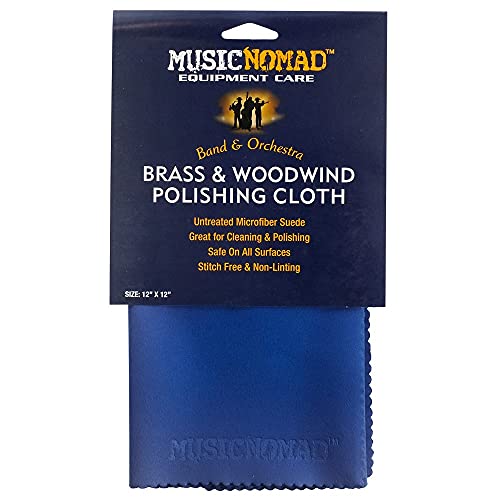
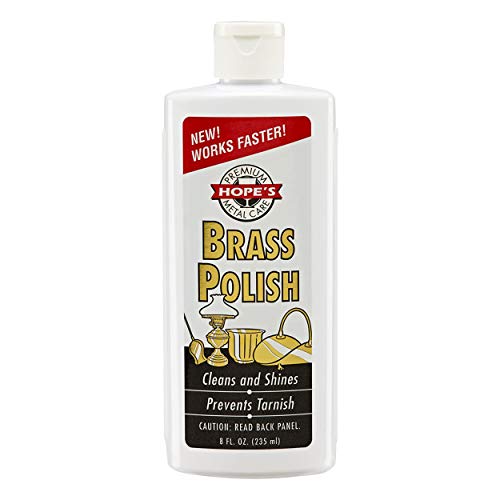
- brass lamp cleaning kit with brass polish and microfiber cloth
- brass lamp polishing cream and soft microfiber cloth set
- brass cleaner spray for lamps with lint-free polishing cloth
Before You Start
Unplug the lamp and allow the surface to cool before cleaning. Remove any lampshade and glass components to access the metal safely. Work in a well-ventilated area and wear gloves if you have sensitive skin. For coated or antique finishes, avoid aggressive abrasives that can wear away plating or patina. Time estimate: 15–30 minutes for a standard cleaning; longer for deep tarnish.
Step-By-Step: How To Clean A Brass Lamp For A Brighter Finish
- Unplug the lamp and remove the lampshade to expose the base and neck.
- Dust the surface with a soft, dry microfiber cloth to remove loose dirt.
- Apply a small amount of brass cleaner spray for lamps onto a lint-free cloth and wipe in the direction of the grain.
- For fingerprint smudges, use a brass polishing cream on a clean microfiber cloth and buff gently.
- Rinse a fresh cloth with a little water and wipe away any residue from the cleaner or cream.
- Dry thoroughly with a dry microfiber cloth to prevent water spots and streaks.
- Reconnect the lampshade and test the lamp after ensuring all elements are dry.
- If tarnish remains, repeat the cleaner or polishing step with a lighter touch and shorter buffing time.
Troubleshooting
| Symptom | Likely Cause | Fix | Prevention |
|---|---|---|---|
| Dull, cloudy finish after cleaning | Residue from cleaner or polish | Wipe with a clean, damp cloth and buff dry | Test on an inconspicuous area first |
| Persistent dark tarnish | Heavy oxidation or aged patina | Use a dedicated brass cleaner spray and repeat | Clean regularly to prevent buildup |
| Scratches on brass | Abrasion from cloth or abrasive cleaners | Switch to a micro-fiber cloth and gentler cleaner | Avoid harsh abrasives |
| Uneven shine | Uneven polishing | Buff evenly with light pressure | Use circular motions and consistent contact |
Common Mistakes
- Using abrasive cleaners or rough cloths that scratch brass finishes
- Over-wetting the surface or leaving water on metal components
- Skipping a test patch on a hidden area before full application
- Neglecting to remove the lampshade and other components during cleaning
Tips For Best Results
- Always unplug the lamp before cleaning and handle adjustments gently to avoid damaging wiring.
- Test cleaners on a concealed spot to confirm compatibility with the finish.
- Use a fresh microfiber cloth for each cleaning stage to prevent residue transfer.
- Polish in the direction of the grain to minimize streaks and achieve uniform shine.
Call A Professional
Consider a pro if your brass lamp has delicate inlays, intricate engravings, or antique patinas you want preserved. Stop cleaning and consult a restoration specialist if you notice flaking lacquer or deep corrosion, or if the lamp’s wiring appears compromised.
FAQ
Can I use lemon juice or vinegar on brass?
Curtail use of acidic household ingredients as they can corrode brass over time; opt for dedicated brass cleaners or polishes.
Is it safe to clean brass with a spray cleaner on a lamp with a fabric shade?
Yes, as long as you avoid spraying onto the shade and allow surfaces to dry completely before reassembling.
How often should I clean a brass lamp?
Light cleaning every 1–2 months helps maintain shine; deep polishing can be done every 6–12 months depending on environment.
What if the brass is lacquered?
Lacquered brass requires gentler products and may need professional maintenance to avoid removing the protective coating.
Can I reuse the cleaning cloths?
Use clean, lint-free cloths for each stage to prevent transferring residues onto the brass.
Buying Guide
When selecting products for brass lamp care, consider size, finish, and how much you value a bright, uniform shine. Factor in noise level if using spray devices or polishes that require buffing, and choose a kit that fits your routine and space. Look for non-abrasive formulas, lint-free polishing cloths, and clear usage directions. A balanced kit with both a cleaning spray and a polishing cream provides flexibility for routine upkeep and periodic deep cleaning. Compare items by how well they address tarnish, ease of use, and compatibility with antique or delicate finishes. Do you want a compact kit for quick touch-ups or a comprehensive set for showroom-worthy results? A well-rounded option often combines a cleaner spray, a polishing cream, and soft microfiber cloths for best results.
Leave a Reply