How to Clean a Brass Door Handle
Brass door handles add a warm, classic touch to a home’s hardware. Regular cleaning keeps them looking bright and protected from tarnish. This guide walks through a practical, step-by-step method using common household tools and a brass-specific cleaning kit to restore shine without damage.
Quick Answer
For most brass door handles, start with a brass door handle cleaning kit and a microfiber cloth for polishing. If tarnish is stubborn, apply a non-abrasive brass cleaner paste, then buff with a soft cloth until the finish is restored. Avoid abrasive pads and harsh chemicals that can scratch or dull the metal.
What You’ll Need
The following tools and materials help you clean brass door hardware effectively. Use the items as described for best results.
- Brass door handle cleaning kit
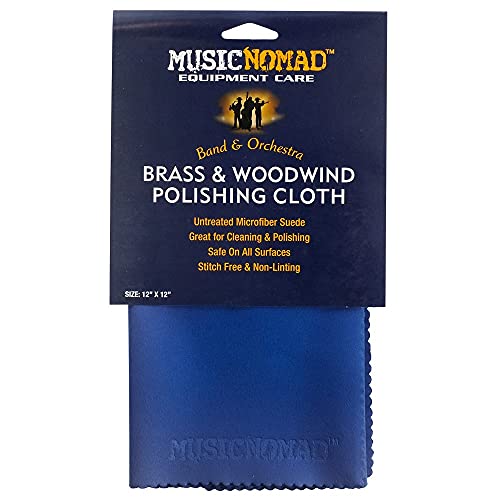
- Brass polish with microfiber cloth for hardware
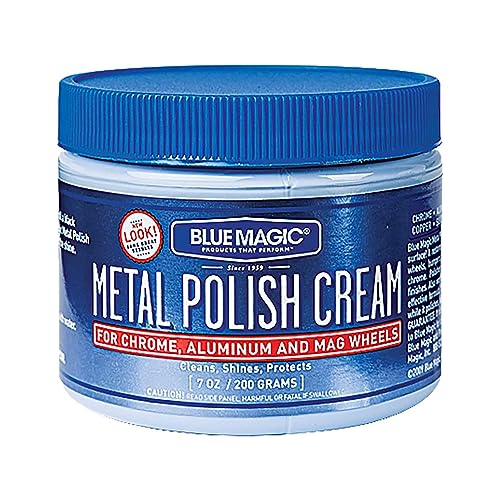
- Non-abrasive brass cleaner paste for door hardware
- Soft microfiber cloths (for buffing)
- Warm water and mild dish soap
- Optional: cotton swabs for crevices
- Optional: latex gloves to protect hands

Before You Start
Prepare the work area to catch drips and avoid slip hazards. Remove any decorative elements or accessories on or around the door to prevent premature wear. Test a hidden area first to confirm the cleaner does not discolor the brass. Avoid using acidic products, abrasive pads, or abrasives on lacquered brass. Allow the handle to dry completely between steps to prevent rust or finish issues.
Step-By-Step: How To Clean Brass Door Handles
- Inspect the finish and identify any lacquer coating. If lacquer is present, clean gently to avoid stripping.
- Dust the surface with a dry microfiber cloth to remove loose grit.
- Mix a small amount of warm water with mild dish soap. Dampen a cloth and wipe the handle to remove surface oils.
- Apply a small amount of the brass door handle cleaning kit according to the product’s instructions, focusing on tarnished areas.
- Gently rub with a microfiber cloth in circular motions to lift tarnish without scratching the surface.
- For stubborn tarnish, apply a non-abrasive brass cleaner paste to a clean cloth. Rub lightly, then buff with a fresh microfiber cloth until sheen returns.
- Buff the entire handle with the brass polish using a microfiber cloth until a bright, uniform finish appears.
- Wipe away any residue and dry completely with a clean towel. Reassemble any removed parts and test the door handle’s operation.
- Check for spots you may have missed and repeat polishing if necessary, especially on intricate designs or crevices.
- Dispose of used cloths appropriately and store cleaning products in a cool, dry place away from children.
- If the handle has a protective lacquer, avoid aggressive rubbing that could wear through it; maintain a light touch to preserve the finish.
- Schedule periodic touch-ups to prevent heavy tarnishing and maintain a consistent luster on brass hardware.
Troubleshooting
| Symptom | Likely Cause | Fix | Prevention |
|---|---|---|---|
| Streaks after polishing | Uneven residue or dry cloth residue | Re-wipe with a clean, dry microfiber cloth | Use a minimal amount of polish and buff evenly |
| Brass looks dull after cleaning | Improper product choice for lacquered brass | Switch to gentler cleaners or consult manufacturer guidance | Test in a hidden area first |
| Scratches appear | Abrasive pad or paste used | Stop using abrasive materials; resume with non-abrasive methods | Keep abrasives away from hardware |
| Patina or tarnish recurs quickly | Exposure to moisture or oils | Clean regularly with mild solutions and rinse well | Wipe after heavy use, especially in humid areas |
Common Mistakes
- Using abrasive scrubs or metal pads on brass
- Over-wetting the handle or letting cleaner sit too long
- Cleaning lacquered finishes with harsh chemicals
- Neglecting to test a small area before full application
These missteps can scratch, dull, or strip protective coatings and shorten the life of the hardware.
Tips For Best Results
- Work in small sections to maintain control and minimize exposure to moisture.
- Use a dedicated microfiber cloth for polishing to avoid transferring oils from other surfaces.
- Refrain from using lemon juice or vinegar-based cleaners; they can corrode brass finishes over time.
- Consider applying a light coat of protective wax or sealant designed for metal hardware after cleaning to slow tarnish.
- Store cleaning products away from heat, sun, and moisture to preserve effectiveness and prevent damage to finishes.
Call A Professional
Consider contacting a professional if:
- The brass has deep pitting, corrosion, or peeling lacquer that cleaners cannot fix.
- The door hardware is antique or of high sentimental value and requires careful restoration.
- Multiple finishes or coatings exist on the handle, making uniform cleaning challenging.
In these cases, a licensed hardware or metal restoration specialist can assess and preserve the finish while ensuring door function remains intact.
FAQ
Is brass cleaner paste safe on lacquered brass?
In most cases, yes, if it is labeled for lacquered brass; test a hidden area first and follow product instructions.
Can I use household cleaners like Windex on brass door handles?
Best to avoid glass cleaners that can leave residues; use dedicated brass cleaners or mild soap solutions instead.
How often should I clean brass door handles?
Clean every few months or as tarnish appears, especially in humid climates or high-traffic areas.
Will polishing ruin the finish over time?
When done with non-abrasive products and proper technique, polishing maintains the finish and can restore shine without damage.
Should I remove the handle for cleaning?
Removing the handle simplifies cleaning; follow manufacturer instructions to avoid misalignment or warranty issues.
What type of cloth is best for buffing brass?
Soft microfiber cloths provide a gentle but effective buffer without scratching the surface.
Are there eco-friendly brass cleaners?
Yes, many brands offer eco-friendly brass cleaners; check labels for non-abrasive, non-corrosive formulations.
Buying Guide
When selecting brass cleaning and polishing products for door hardware, consider size and packaging, ease of use, and compatibility with the finish. Here are some factors to evaluate:
- Size and packaging: Choose kits that include a cleaning solution, paste, and microfiber cloths in a compact, organized package for convenient storage and use.
- Noise level and finish: Cleaning should not affect door operation or make squeaking noises; look for products that leave a uniform shine without residue that could trap grime.
- Energy efficiency: Not directly applicable; however, low-maintenance finishes reduce the need for frequent cleaning, saving time and effort.
- Controls and compatibility: Ensure the cleaner is compatible with your brass finish (lacquered vs. unlacquered) and that it works with hardware finishes like satin, polished, or antique brass.
- Placement and usage hints: Use on clean, dry surfaces and apply with a lint-free cloth. Avoid applying cleaner to adjacent painted surfaces to prevent bleed-through or staining.
- Brand and warranty: Look for reputable brands offering clear usage instructions and any surface-safe claims. Respect any warranty guidelines regarding maintenance.
To get the best results, choose a brass door handle cleaning kit with a microfiber cloth and a non-abrasive paste. Assess the finish type and follow a gentle cleaning routine to maintain the handle’s luster and durability.
Leave a Reply