How to Clean Brake Dust Off Rims
Brake dust buildup on rims is common and can degrade the appearance of wheels if not addressed. This guide explains a practical, safe approach to removing brake dust from different rim materials, with product suggestions that align with American-made cleaning practices and widely available supplies.
Quick Answer
Use a dedicated wheel cleaner paired with a soft wheel brush and a microfiber mitt. Apply a pH-balanced wheel cleaner spray to loosen dust, scrub with the brush or mitt, rinse thoroughly, and repeat if needed. For tough iron fallout, use a targeted iron fallout remover before cleaning, then finish with a protectant or sealant to slow future buildup.
What You’ll Need
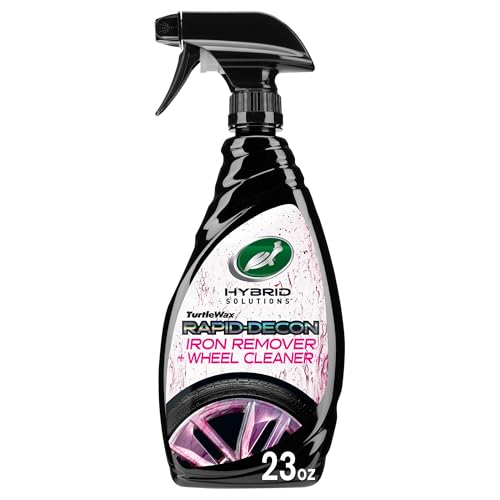
- Iron fallout remover for brake dust wheels aluminum rims or compatible iron-removing product
- Wheel cleaning brush set for rims with microfiber mitt or equivalent soft brushes
- pH-balanced wheel cleaner spray for brake dust alloy wheels to safely lift grime
- Soft microfiber towels for drying and buffing
- Garden hose or rinse bottle for washing


Before You Start
Prepare a shaded work area and ensure the car is cool to the touch. Protect surrounding paint and tires by rinsing away excess soap and avoiding contact with brake components. Wear eye protection and gloves to prevent contact with cleaners. Set aside enough time—dust removal is faster with repeated light applications rather than a single harsh scrub.
Step-By-Step: How To Clean Brake Dust Off Rims
- Rinse the wheels with water to remove loose dust and debris. This prevents airborne dust from turning abrasive during scrubbing.
- If using an iron fallout remover, apply it to the affected rims according to the product instructions. Allow the formula to work for the recommended dwell time and watch for color changes indicating iron particles loosening.
- Rinse off the fallout remover completely before applying any wheel cleaner. This prevents chemical reactions or residue from forming on the surface.
- Spray the pH-balanced wheel cleaner spray for brake dust alloy wheels generously across the rim, focusing on areas with visible grime and stubborn deposits.
- Use a soft brush from the wheel cleaning brush set for rims with microfiber mitt to agitate the cleaner. Work in sections to avoid re-drying the solution.
- For tight spots near spokes and valve stems, switch to a microfiber mitt or a smaller brush to lift dust without scratching the finish.
- Rinse the wheel thoroughly from the top down to remove all cleaner and loosened particles. Check for any remaining residue and repeat if necessary.
- Dry the rim with a clean microfiber towel to prevent water spots. A second pass with a drying cloth helps reveal a brighter finish.
- Inspect the wheel for any missed areas. If needed, reapply cleaner to stubborn patches and scrub lightly before a final rinse and dry.
- Optional: Apply a wheel sealant or protectant to slow future brake dust adhesion and ease cleaning next time.
- Repeat the process on the remaining wheels, rinsing between rims to avoid cross-contamination of cleaners.
Troubleshooting
| Symptom | Likely Cause | Fix | Prevention |
|---|---|---|---|
| Rim still looks dull after washing | Residual brake dust or old coating | Reapply pH-balanced cleaner and brush with light scrubbing | Clean regularly to prevent heavy buildup |
| Cleaner causes streaks | Drying too quickly or improper dilution | Keep sections damp and follow product directions | Work in shaded area; avoid direct sun |
| Discoloration or damage after cleaning | Aggressive scrubbing or incompatible cleaner | Switch to gentler brushes and a pH-balanced formula | Test on a hidden area first |
| Iron fallout remover fizzles poorly | Rinse not complete or product expired | Rinse, reapply, and verify expiration date | Follow manufacturer dwell times |
Common Mistakes
- Using harsh wheel cleaners or acidic products on aluminum rims
- Scrubbing aggressively, which can scratch the wheel finish
- Neglecting to rinse thoroughly, leaving residue that attracts more dust
- Cleaning when rims are hot or in direct sun, which can dry cleaners too quickly
Tips For Best Results
- Always rinse before and after applying cleaners to minimize scratching.
- Work in sections to prevent cleaner from drying on the wheel surface.
- Use a dedicated wheel brush rather than household brushes to protect finishes.
- Consider a protective coating or sealant after cleaning to reduce future dust adhesion.
- Store cleaners and brushes in a cool, dry place for longevity.
Call A Professional
Stop and call a pro if you notice any of the following: peeling finishes, bubbling paints, or corrosion around the rim edge. If brake components appear damaged or the wheel shows structural concerns, a certified technician should evaluate the rim and braking system. Severe wheel damage can affect vehicle safety, so seek help promptly.
FAQ
How often should I clean brake dust from rims?
Regular cleaning every 1–2 weeks during peak driving seasons helps maintain finish and makes dust easier to remove.
Can I use household cleaners on rims?
Avoid acidic or abrasive household cleaners; use a pH-balanced wheel cleaner designed for alloy or aluminum rims.
Is iron fallout remover safe for all rims?
It is safe for many rims when used as directed; always test on a small area first and follow dwell times carefully.
Should I wax or seal my rims after cleaning?
Yes, applying a wheel sealant or wax can help repel brake dust and ease future cleaning.
What if brake dust keeps returning quickly?
Consider inspecting brake components for excessive wear or contamination and applying a protective coating to slow adherence.
Buying Guide
Choosing the right products to clean brake dust off rims involves considering rim material, desired maintenance level, and ease of use. Here are key factors to weigh:
- Rim material and finish: Aluminum and alloy rims respond well to pH-balanced cleaners, while chrome may require gentler formulas.
- Cleaning strength: For heavy iron fallout, a targeted remover can help; for routine upkeep, a standard wheel cleaner is sufficient.
- Tools: A dedicated wheel brush set with a microfiber mitt protects rims from scratches while maximizing dirt removal.
- Safety and ease of use: Look for non-acidic formulas and clear dwell-time instructions to minimize risk and maximize results.
- Maintenance aids: Post-cleaning sealants or waxes can reduce future buildup and simplify next cleaning.
- Size and form: Sprays are convenient for larger wheels; foaming formulas can cling longer for tough grime.
- Noise and energy considerations: Efficient products with quick dwell times reduce water usage and work time, beneficial for frequent cleaners.
- Placement and storage: Store cleaners upright in a cool, dry place away from direct sunlight to maintain efficacy.
Thinking about your wheel setup? Consider a kit that includes iron fallout remover, a wheel brush set, and a pH-balanced cleaner for a complete, American-friendly solution to brake dust on rims.
Leave a Reply