How to Clean the Bottom of a Toilet
Keeping the toilet bowl pristine requires a clear method and the right tools. This guide walks American readers through a safe, effective approach to cleaning the bottom of the toilet, addressing stubborn mineral deposits and everyday grime without harming plumbing or finishes.
Quick Answer
Use a toilet bowl brush with an extendable handle to reach the hard-to-clean bottom, apply a porcelain-safe cleaner, scrub thoroughly, flush to rinse, and repeat as needed for tough stains. For mineral deposits, a pumice stone specifically designed for porcelain can be used with gentle rubbing, followed by a final scrub and rinse.
What You’ll Need
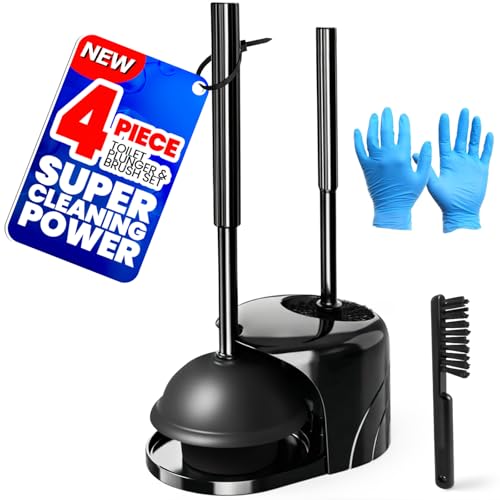
- Toilet bowl brush with extendable handle
- Porcelain toilet pumice stone stain remover
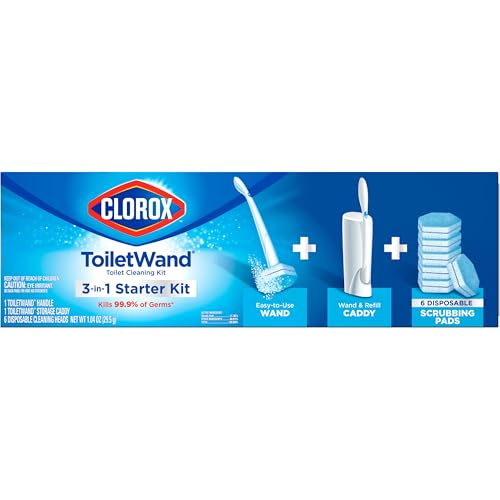
- Toilet cleaning wand scrubber brush set

Before You Start
Clear the area and ensure the water supply is accessible. Put on gloves to protect skin and consider eye protection if splashing cleaners. Ventilate the bathroom by opening a window or turning on the exhaust fan. Time estimate: 10–20 minutes for a standard clean; 20–30 minutes for deep mineral deposits. Do not use a pumice stone on unglazed ceramic surfaces or coatings, and always keep the stone wet while scrubbing to avoid scratches.
Step-By-Step: How To Clean The Bottom Of A Toilet
- Flush the toilet to wet the bowl and reduce residue.
- Apply a toilet-safe cleaner around the interior, focusing on the bottom rim and areas where deposits collect.
- Use the extendable-handled toilet bowl brush to scrub the bottom surface in small, overlapping motions.
- For mineral stains, gently rub with a damp porcelain toilet pumice stone in a circular pattern, keeping the stone moving to avoid scoring.
- Rinse by flushing once more, or fill the bowl with clean water and scrub again to lift loosened material.
- If using a cleaning wand scrubber brush set, switch to the brush attachment suitable for tight spots and repeat scrubbing in hard-to-reach areas.
- For persistent stains, repeat cleaning steps or apply a second, shorter treatment session.
- Finish by flushing and wiping the exterior with a mild cleaner to remove any splashes.
Troubleshooting
| Symptom | Likely Cause | Fix | Prevention |
|---|---|---|---|
| Stubborn stains remain after cleaning | Mineral buildup | Repeat treatment with pumice stone and cleaner | Clean regularly to prevent buildup |
| Scratches appear after scrubbing | Pumice stone used on inappropriate surface | Cease use of pumice and switch to non-scratch cleaner | Use gentle scrubbing tools and test on small area first |
| Brush bristles wear quickly | Harsh cleaners or excessive scrubbing | Switch to milder cleaners; reduce scrubbing pressure | Follow manufacturer directions |
| Unpleasant odor after cleaning | Residue left behind | Rinse thoroughly and consider sealing with fresh cleaner | Rinse until clean water runs clear |
Common Mistakes
- Using abrasive pads or metal tools on porcelain surfaces
- Neglecting to wear gloves or protect eyes when handling cleaners
- Rushing the rinse step, leaving cleaning residue behind
- Over-relying on one method instead of combining brushing and polishing steps
Tips For Best Results
- Choose a toilet bowl brush with extendable handle for better reach and leverage
- Opt for a pumice stone specifically labeled for porcelain to avoid scratches
- Let cleaners sit for a few minutes before scrubbing to break down tough deposits
- Maintain a routine cleaning schedule to prevent mineral buildup over time
Call A Professional
Contact a plumber if the toilet exhibits persistent clogs, unusual stains that do not respond to cleaning, or if there are cracks, leaks, or porcelain chips that could compromise the bowl’s integrity. Seek professional help for recurring odors that do not disappear after cleaning, or if you notice water leaking from the base or around the seals.
FAQ
How often should I clean the bottom of the toilet?
Regular cleaning once a week helps prevent mineral buildup and keeps the bowl looking fresh.
Is a pumice stone safe for all toilets?
Porcelain pumice stones labeled for toilet use are safe on glazed porcelain when used gently and kept wet; avoid unglazed or damaged areas.
Can I use household vinegar or bleach on the bottom of the toilet?
Vinegar is generally safe in moderate amounts, but avoid mixing cleaners. Bleach can be used on toilet bowls if properly diluted and followed by thorough rinsing; never mix bleach with ammonia or acidic cleaners.
What tools help reach difficult areas?
An extendable-handle toilet bowl brush and a toilet cleaning wand scrubber set help access the bottom and under-rim regions effectively.
Buying Guide
When selecting tools for cleaning the bottom of the toilet, consider several factors to optimize performance and value. Size and reach matter: an extendable handle can reduce bending and improve access to hard-to-reach spots. Noise level is not a common concern, but comfortable grips and ergonomic handles reduce fatigue during routine cleaning. Energy efficiency is not a primary consideration for cleaning tools, but high-quality refillable cleaners or multi-purpose products can save time and money. Controls refer to how easy the tools are to maneuver and how the cleaning wand attachments click into place. Placement matters for storage: choose tools with compact, dry-storage designs to keep the bathroom organized. Finally, compatibility with porcelain finishes and the presence of non-scratch options are important for long-term durability. Compare kits that include a brush, extendable handle, and optional scrubber sets to cover a broader cleaning range without purchasing items separately. Would you benefit from a bundled kit, or do you prefer a single-purpose tool for the bottom of the toilet? A well-chosen combination reduces clutter and improves cleaning coverage. */
Leave a Reply