How to Clean a Bosch Oven Safely and Effectively
Keeping a Bosch oven spotless extends its lifespan and preserves even cooking. This guide provides practical steps, tools, and safety tips to clean a Bosch oven without causing damage to its sensitive surfaces or control panels. The method works for most Bosch wall ovens, ranges, and self-cleaning models, with care taken for model-specific features.
From everyday grime to baked-on residue, a routine cleaning approach helps maintain performance and reduces the risk of smoke or odors during future uses. Follow the steps below to achieve a clean oven without harsh scrubbing or abrasive chemicals.
Quick Answer
Use a gentle, non-abrasive cleaner and a dedicated oven cleaning kit or scrubber designed for stainless steel and glass. Start with the exterior surfaces and door, then move to the interior using a silicone brush, microfiber cloth, and a heat resistant glove for grip. For stubborn buildup, a Bosch oven cleaning kit provides compatible cleaners, while a stainless steel scraper can remove stuck debris without scratching. Always consult your manual for model-specific guidance.
What You’ll Need
- Bosch oven cleaning kit
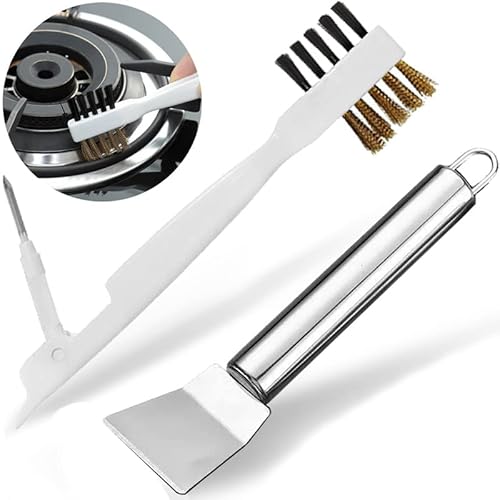
- Oven cleaning brush set stainless steel scraper
- Heat resistant silicone oven cleaning gloves
- Non-abrasive sponge or microfiber cloth
- Soft, lint-free rag for drying and polishing
- Warm water and mild detergent
- Glass cleaner (for the door window)
- Optional: Baking soda paste for tough spots

Before You Start
Prepare a well-ventilated workspace and ensure the oven is cool before cleaning. Remove racks and any trays, washing them separately. Read the owner’s manual for model-specific cautions, especially when dealing with self-cleaning modes or any warning indicators. Wear gloves to protect hands and avoid contact with harsh cleaners. Estimate 15–45 minutes for standard cleaning, plus additional time for stubborn spots.
Step-By-Step: How To Clean A Bosch Oven
- Unplug the oven or switch off any power to ensure safety while cleaning, then remove the racks and set them aside.
- Wipe the exterior surfaces with a damp cloth and a mild detergent, paying attention to the control panel and door handle to prevent buildup from fingerprints and grease.
- Prepare a cleaning solution appropriate for chrome or stainless steel, following the Bosch kit directions if available.
- Apply the cleaner to the interior walls sparingly or use a baking soda paste for baked-on residue, then let it sit for the time specified on the product label.
- Use a soft brush or the oven cleaning brush set to gently loosen residue, working from the top down to minimize drips onto cleaned areas.
- For stubborn spots, carefully use the stainless steel scraper to lift residue without scratching glass or enamel surfaces.
- Wipe away loosened grime with a damp cloth, rinse the cloth frequently, and repeat until surfaces are clean and dry.
- Clean the door window with a glass cleaner or a vinegar solution, drying with a microfiber cloth to prevent streaks.
- Return racks and trays to the oven only after the interior is completely dry to prevent rust or odor transfer during future uses.
- Optionally run a brief warm bake with the oven empty to help evaporate any remaining moisture, then turn off and let cool prior to normal use.
- Inspect seals and hinges for wear during reassembly, and wipe any crumbs from the gasket to maintain a tight seal.
- Store all cleaning tools in a dry place and note any model-specific cleaning intervals for best ongoing performance.
Troubleshooting
| Symptom | Likely Cause | Fix | Prevention |
|---|---|---|---|
| Streaks on door or glass | Residue from cleaners | Use a microfiber cloth and glass cleaner; rinse well | Wipe with clean water after every cleaning |
| Stubborn baked-on residue | Enamel buildup | Apply baking soda paste and let sit, then scrub softly | Clean sooner after cooking to prevent hard buildup |
| Racks won’t slide smoothly | Grease on rack rails | Wipe rails with mild detergent and dry thoroughly | Clean racks after each use |
| Odors after cleaning | Detergent residue or food leftover | Rinse thoroughly and run a short empty bake | Rinse and dry completely before use |
Common Mistakes
- Using harsh or abrasive cleaners on enamel, glass, or chrome surfaces
- Allowing cleaners to sit too long on sensitive components
- Wetting control panels or electrical components
- Forgetting to remove racks before cleaning the interior
- Neglecting to dry surfaces fully, leading to rust or odor
Tips For Best Results
- Schedule regular light cleanings to prevent heavy buildup, reducing the need for scrubbing.
- Use a dedicated oven cleaning kit designed for Bosch models to ensure compatibility and safety.
- Keep heat-resistant gloves handy to protect hands from hot surfaces during reassembly and scrubbing.
- Always wipe in the direction of metal grain on stainless surfaces to minimize streaks.
- Label oven racks and trays to simplify reassembly and maintain correct placement.
Call A Professional
Consider professional help if the oven shows signs of damage, such as warped enamel, faulty seals, or persistent heat sensor issues. Stop cleaning and contact a qualified technician if you notice unusual smells, smoke, sparks, or if any strange noises occur during cleaning or operation. For self-cleaning modes, follow the manufacturer’s safety guidelines and never tamper with electronic components beyond cleaning surfaces.
FAQ
Is it safe to use baking soda on a Bosch oven?
Yes, a baking soda paste can help with tough spots on enamel surfaces when used gently.
Can I use standard household cleaners inside the oven?
Avoid harsh chemicals; use cleaners recommended by the Bosch cleaning kit or mild detergents suitable for ovens.
How often should I clean my Bosch oven?
Light wipe-downs after heavy use and a full clean every 1–3 months, depending on cooking frequency and spill incidence.
What if the oven has a self-cleaning feature?
Follow the model’s manual; self-cleaning cycles can save effort but require proper ventilation and removal of racks beforehand.
Buying Guide
When choosing tools for cleaning a Bosch oven, consider size, materials, and compatibility with your model. Key buying factors include:
- Size and compatibility: Ensure the cleaning kit components fit your oven model and interior dimensions.
- Noise and effort: Look for brushes and scrapers designed to minimize scrubbing while avoiding scratches.
- Energy efficiency and safety: Stainless steel scrapers and heat resistant gloves reduce effort and risk during cleaning.
- Controls and surfaces: Choose non-abrasive cleaners for glass, enamel, and control panels to prevent damage.
- Placement: A dedicated cleaning kit and gloves should be stored near the kitchen cleaning area for quick access.
Comparing options, a Bosch oven cleaning kit paired with an oven cleaning brush set and heat resistant gloves offers a cohesive, model-friendly approach. If you regularly cook heavy meals or bake with grease-prone recipes, consider adding a paste or spray specifically formulated for enamel and glass to your toolkit. For renters or homeowners with limited storage, look for compact kits that pack the essential tools without redundancy. Would you like help evaluating specific kit options for your model?
Leave a Reply