How to Clean Bogs Boots Effectively
Bogs boots are designed to handle wet and muddy conditions, but regular cleaning helps extend their life and maintain odor control and performance. This guide provides practical steps using common boot care products that fit well in an American household, focusing on rubber and waterproof materials typical of many Bogs styles.
Quick Answer
For a quick clean, spray a waterproof boot cleaner and wipe with a soft brush, then rinse gently. Dry away from direct heat, and apply a conditioner if your boots are rubber or neoprene to keep the material supple.
What You’ll Need
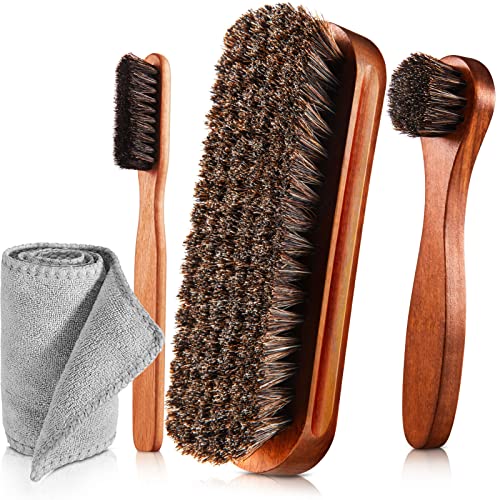
- Boot cleaning brush set for waterproof boots
- Waterproof boot cleaner spray with soft bristle brush
- Shoe care kit for rubber boots including cleaner and conditioner
- Soft cloths or microfiber towels
- Warm water and a bucket (optional)

Before You Start
Safety comes first: avoid harsh chemicals near skin and eyes. Work in a well-ventilated area and test any cleaner on a small hidden area first to ensure no discoloration. Remove loose dirt with a dry brush before applying cleaners. Plan for 15–30 minutes of active cleaning, plus time for drying.
Important cautions: Do not submerge the boots for long periods, especially if they have fabric linings. Avoid high heat sources when drying, as heat can damage rubber compounds and coatings.
Step-By-Step: How To Clean Bogs Boots Naturally
- Spot check and pre-brush: Inspect seams and tread for embedded stones; use a dry brush from top to bottom to loosen dirt.
- Rinse or wipe off loose debris: Lightly rinse with running water or wipe with a damp cloth to remove mud without soaking the inner lining.
- Apply cleaner: Use a waterproof boot cleaner spray with soft bristle brush or the shoe care kit cleaner. Apply evenly in circular motions over the entire surface.
- Scrub tough spots: Focus on soles, toe caps, and any scuffed areas with the soft brush to lift grime without abrading the material.
- Rinse off suds: Gently rinse with clean water or wipe with a fresh damp cloth until no cleaner residue remains.
- Dry properly: Pat dry with a microfiber towel and air dry in a shaded area. Do not place near heaters or direct sunlight to avoid cracking.
- Condition if needed: For rubber boots, apply a thin coat of conditioner from the shoe care kit and buff lightly to restore suppleness.
- Inspect and repeat: If boots still look dull, repeat cleaning steps for stubborn stains, then dry thoroughly.
- Storage prep: Once completely dry, store upright in a cool, dry place to prevent creases or odor buildup.
- Maintenance schedule: Clean after heavy use or weekly during muddy seasons to maintain waterproofing and extend life.
- odor management: If odor persists, sprinkle a light amount of baking soda inside and leave overnight before brushing out.
- Reapply waterproofing (seasonal): If water beads poorly, consider reapplying a waterproofing spray suitable for rubber boots after cleaning and dry time.
Troubleshooting
| Symptom | Likely Cause | Fix | Prevention |
|---|---|---|---|
| Stains persist after cleaning | Stubborn stains or deep-set grime | Use a specialized stain remover compatible with rubber or fabric panels | Clean promptly after exposure to mud or puddles |
| Cracking or dryness after cleaning | Overly aggressive scrubbing or drying near heat | Switch to gentler brushes and air dry away from sun/heat | Regular conditioning and gentle cleaning routine |
| Persistent odor | Moisture retention inside lining | Air out completely; use odor absorbers like baking soda | Dry thoroughly after every use; consider breathable storage |
| Water not beading after cleaning | Loss of waterproof coating | Reapply a compatible waterproofing spray or conditioner | Avoid soaking and reapply waterproofing seasonally |
Common Mistakes
- Using hot water or high heat to dry boots
- Scrubbing aggressively, which can wear away coatings
- Choosing cleaners that are not compatible with rubber or neoprene
- Neglecting inside lining cleanliness, leading to odor buildup
Tips For Best Results
- Use a dedicated brush set for waterproof boots to avoid cross-contamination of materials.
- Test cleaners on a hidden area before full application to prevent discoloration.
- For frequent use, pair cleaning with a routine waterproofing spray to maintain water resistance.
- Store boots with proper support to prevent creasing and maintain shape.
Call A Professional
Seek professional care if boots show deep cracks, severe delamination, or persistent odor that cleaning does not address after several attempts. If interiors remain damp after drying, a pro can inspect seams and linings for leaks or mold growth.
FAQ
Can I clean Bogs boots with regular shoe cleaner?
Yes, as long as the cleaner is suitable for rubber or neoprene and does not contain harsh solvents that could damage the material.
Is it okay to put Bogs boots in the washing machine?
Avoid machine washing; hand cleaning with a brush and mild cleaner is safer for most rubber and neoprene materials.
How often should I condition rubber boots?
Conditioning every few cleanings or quarterly, depending on use, helps maintain flexibility and prevents cracking.
What’s the best way to dry Bogs boots?
Air dry away from direct heat or sunlight; stuffing with newspaper can help absorb moisture and maintain shape.
Do I need to waterproof after cleaning?
Not always, but reapplying a waterproofing spray when the material starts to bead less water is recommended.
Should I clean the inside of the boots?
Yes, wipe the interior with a damp cloth and allow to dry completely to prevent odor and mold.
Can these steps be used for other rubber boots?
Yes, the same approach works for most rubber or waterproof boots with similar materials.
Buying Guide
When selecting cleaning and care products for Bogs boots, consider size, material compatibility, and ease of use. Key buying factors include:
- Size and kit contents: Look for a kit that covers brushes, cleaner, and a conditioner suitable for rubber and neoprene. A compact kit is ideal for travel and quick maintenance.
- Noise level and ease of use: Choose sprays and brushes that are easy to handle, with soft bristles to prevent scratching.
- Energy efficiency not a primary factor here, but efficient spray mechanisms save time and water.
- Controls: Simple spray bottles with clear labels help prevent misuse of cleaners on delicate materials.
- Placement: Store cleaning supplies in a cool, dry cabinet near the entryway for quick access after muddy outings.
When comparing products, review whether the kit includes a dedicated boot cleaner spray with a soft bristle brush or a full care set with conditioner. For Rubber and waterproof variants, ensure compatibility with rubber and neoprene materials. Consider whether the kit addresses odor control, which is common with wet outdoor use. If you frequently clean after hikes or farm work, a compact, multi-item kit will be most practical for maintaining waterproof integrity and prolonging boot life.
Leave a Reply