How to Clean Boat Canvas: A Practical Guide
Boat canvas is essential for protecting decks, passengers, and gear from the elements. With regular cleaning, canvas remains durable, water-repellent, and mildew-free. This guide provides a straightforward method using common marine products to refresh and extend the life of boat covers and sails alike.
Following proper steps not only improves appearance but also preserves fabric integrity. The tips here emphasize safe handling, gentle cleaning, and preventative care to reduce staining and odor over time.
Quick Answer
Use a marine canvas cleaner spray for boat covers fabric to remove surface grime, mildew remover spray for boat canvas marine fabric to tackle mildew, and a soft bristle brush for cleaning boat canvas covers for delicate scrubbing. Rinse completely and air dry away from direct sunlight to prevent fiber damage.
What You’ll Need
- Marine canvas cleaner spray for boat covers fabric
- Mildew remover spray for boat canvas marine fabric
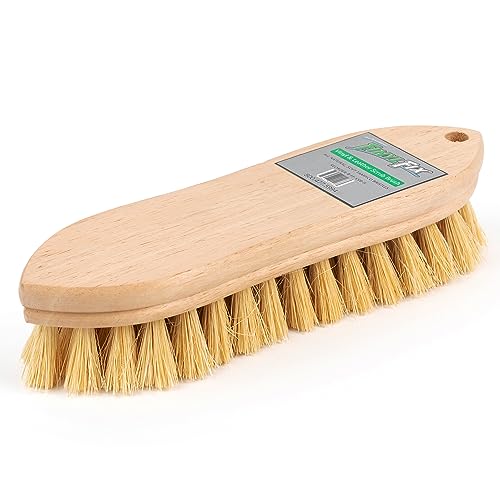
- Soft bristle brush for cleaning boat canvas covers
- Clean water supply for rinsing
- Soft cloths or towels for drying
- Optional protective spray or conditioner suitable for marine canvas


Before You Start
Inspect the canvas for tears, loose seams, or hardware corrosion before cleaning. Repair any damage promptly to prevent further wear. Work in a shaded area or indoors to avoid quick drying that can leave water spots. Wear gloves and eye protection if using chemical cleaners. Allow time for the fabric to dry fully before folding or covering the boat.
Critical cautions: Do not hot-water wash or aggressive scrubbing that can fray fibers. Test cleaners on a hidden area first to confirm colorfastness. If mildew is extensive, consider a dedicated mildew-removal step and ensure thorough rinsing to avoid residue buildup.
Step-By-Step: How To Clean Boat Canvas
- Brush loose dirt and dust from the canvas with a soft bristle brush for cleaning boat canvas covers.
- Rinse the fabric with cool, clean water to remove surface debris.
- Apply a marine canvas cleaner spray for boat covers fabric evenly across the material, following label instructions.
- Gently scrub the canvas with the brush in a circular motion, paying attention to stained or mildewed areas.
- Rinse thoroughly with clean water until no cleaning suds remain.
- If mildew is present, spray a mildew remover spray for boat canvas marine fabric on affected spots and wait the recommended dwell time, then rinse.
- Air dry the canvas completely in a shaded area with good airflow; avoid folding while damp to prevent mildew growth.
- Once dry, inspect for remaining stains and repeat only on stubborn spots if necessary.
- Optional: Apply a protective treatment designed for marine canvas to restore water repellency after full drying.
Troubleshooting
| Symptom | Likely Cause | Fix | Prevention |
|---|---|---|---|
| Persistent mildew odor | Mildew penetrated fibers | Use mildew remover spray and repeat; ensure complete drying | Dry promptly after use; store canvas dry |
| Streaks after cleaning | Uneven rinsing | Rinse thoroughly with ample water while brushing | Rinse until no suds remain |
| Fibers feel stiff | Soap residue or sun exposure | Rinse well and avoid direct sun during drying | Rinse completely; air dry shaded |
| Color fading | Overexposure to sun or harsh cleaners | Use milder cleaners and dry in shade | Protect with UV-blocking or water-repellent treatment |
Common Mistakes
- Using hot water or strong household detergents on canvas
- Not testing cleaners on a hidden area before full application
- Drying in direct sunlight, which can degrade fibers and colors
- Skipping thorough rinsing, leaving residue that attracts dirt
Sticking to marine-specific products helps maintain breathability and water repellency, ensuring long-lasting performance of the canvas.
Tips For Best Results
- Work in moderate weather and avoid cleaning in heavy rain or extreme heat
- Spot-test any cleaner on a small inconspicuous area first
- Use a soft brush to avoid abrading fibers; never use steel wool on canvas
- Reapply a marine-grade protective treatment after cleaning and drying
- Store canvas in a dry, well-ventilated area to prevent mildew recurrence
Call A Professional
Consider a professional if canvas shows deep mildew, persistent staining, or numerous fabric tears. Seek expert help for large seams, heavy loads, or canvas with embedded odors that do not respond to standard cleaning. If you notice water intrusion after cleaning, contact a marine canvas specialist to assess seals and hardware.
FAQ
Can I use household cleaners on boat canvas?
Household cleaners may be too harsh or leave residues. Use marine-specific cleaners designed for canvas and marine fabric.
How long does canvas take to dry after cleaning?
Drying time varies with humidity and airflow but typically ranges from several hours to a full day in shade.
Is it safe to use mildew remover on all canvas types?
Most marine fabrics tolerate mildew removers, but check product labels for compatibility with your canvas type.
How often should I clean boat canvas?
Light cleaning can be done quarterly; more frequent cleaning may be beneficial during heavy-use seasons or after exposure to salt spray and mold-prone conditions.
Should I re-treat canvas after cleaning?
Yes, applying a compatible water-repellent treatment helps restore protection and longevity.
Buying Guide
When choosing cleaning products for boat canvas, consider size, fabric type, and the level of mildew or staining. Look for marine canvas cleaner spray for boat covers fabric that is suitable for your fabric weight and colorfastness. A dedicated mildew remover spray for boat canvas marine fabric is useful for persistent spots, while a soft bristle brush for cleaning boat canvas covers protects fibers during scrubbing. Assess any safety labels, residue after rinsing, and compatibility with UV protectants or water-repellent coatings. For optimal results, pair cleaners with a marine-grade conditioner or protective spray and ensure thorough drying before storage.
Size and storage considerations matter: smaller spray bottles are convenient for portable maintenance kits, while larger containers may be better for regular dockside cleaning. Noise level and energy usage are not primary concerns for manual cleaning, but ensure you have good ventilation during application. Placement of stored tools should keep cleaners away from direct sun and heat. Always follow label directions and local environmental regulations for cleaning runoff and disposal.
Leave a Reply