How to Clean Blackberries With Vinegar
Blackberries can carry surface residues and tiny field debris. Using a vinegar solution helps reduce surface bacteria and sanitize delicate berries without harsh chemicals. This guide outlines a practical, kitchen-friendly method to clean blackberries safely and effectively, using common household tools and a plant-safe wash solution.
Readers will find a streamlined quick answer, a complete tool list drawn from practical product options, step-by-step instructions, troubleshooting tips, and a buyer’s guide to help choose the right cleaning supplies for berries.
Quick Answer
Rinse blackberries in a mild vinegar water solution (1 part distilled white vinegar to 3 parts water) for 2–3 minutes, then rinse again under cold running water. Gently drain and dry on a clean towel or paper towels before use or storage.
What You’ll Need
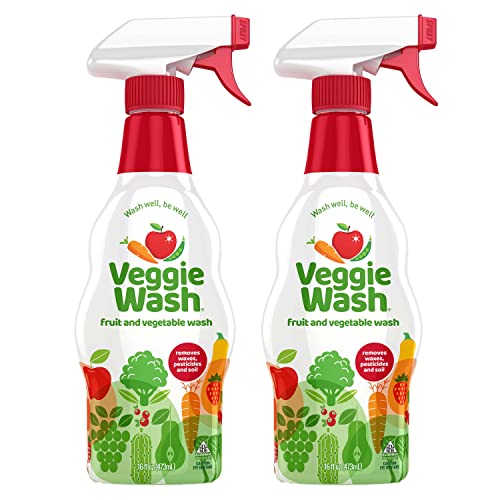
- 16oz produce wash spray bottle for cleaning berries with vinegar
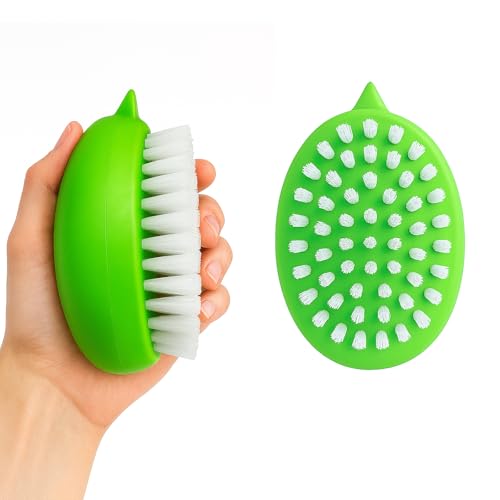
- Soft-bristle berry cleaning brush for delicate fruits
- Fine-mesh berry colander for rinsing blackberries

Before You Start
Prepare a clean workspace and have a bowl or sink ready. Use distilled white vinegar or another food-safe vinegar with no added flavors. Do not soak berries for long periods, as they can become waterlogged and lose texture. This method is suitable for fresh, not moldy or spoiled fruit. Time estimate: 5–8 minutes.
Safety note: Vinegar is safe for edible produce but can irritate skin in sensitive individuals. Consider using gloves if you have sensitive hands. Keep children away from the cleaning area to avoid accidental consumption of cleaning solutions.
Step-By-Step: How To Clean Blackberries With Vinegar
- Rinse a clean produce washing bottle and measure one part vinegar to three parts water into it if you prefer a spray wash. If you’re using a bowl, you can mix the same proportions in a large bowl.
- Fill a clean bowl or the sink with cold water and add the vinegar solution, creating a mild sanitizing bath for the berries.
- Place the blackberries into the colander and gently submerge it in the vinegar bath to avoid crushing delicate berries.
- Let them soak for 2–3 minutes to give the vinegar time to act on surface residues and microbes.
- Gently agitate the colander to loosen any visible debris without applying heavy pressure that could bruise the fruit.
- Transfer the colander to a clean drain area and rinse the berries under cold running water for 30–60 seconds to remove vinegar and loosened residues.
- Inspect the berries for any remaining debris; use the soft-bristle berry cleaning brush very lightly on any stubborn spots, if needed.
- Shake off excess water, then lay the berries on a clean towel or paper towels to air-dry or pat them dry carefully with a towel.
- Store dried berries promptly in a breathable container or a shallow tray in the refrigerator if not using immediately.
- For long-term storage, avoid washing until just before use to preserve texture and prevent sogginess.
- Discard any berries that appear mushy, discolored, or moldy rather than attempting to rinse them.
- After cleaning, wash and dry the squeeze bottle and brush to keep equipment ready for next use.
Troubleshooting
| Symptom | Likely Cause | Fix | Prevention |
|---|---|---|---|
| Berry color dull after rinse | Over-soaking or too much agitation | Reduce soak time to 1–2 minutes; rinse gently | Handle berries softly; use cold water |
| Bad smell after cleaning | Residual moisture or mold on berries | Dry thoroughly and discard any suspect fruit | Inspect berries before cleaning and use promptly |
| Berry split or bruise | Rinsing too aggressively | Use a light touch; avoid twisting the berries | Use a delicate brush only on stubborn spots |
| Vinegar flavor on fruit | Undertreated rinse | Rinse with cold water thoroughly | Ensure proper dilution of vinegar solution |
Common Mistakes
- Over-soaking berries in vinegar, which can affect texture
- Rinsing in hot water, increasing the risk of damage
- Storing wet berries, which promotes spoilage
- Using a rough brush that tears delicate skins
Tips For Best Results
- Keep vinegar concentration mild to protect fruit texture while still sanitizing.
- Always rinse with cold water after vinegar exposure to remove any residual taste.
- Use a fine-mesh colander to prevent small seeds or wash debris from slipping through.
- Pat berries dry gently rather than rubbing, which can bruise the fruit.
- Only wash the amount you plan to use immediately; wash in small batches for best results.
Call A Professional
Bleached or discolored berries, persistent off-odors after cleaning, or signs of mold that do not respond to rinsing warrant discarding the batch and consulting a produce expert or your local extension service for guidance on safe handling and disposal.
FAQ
Is vinegar safe for cleaning berries?
Yes, when used in a dilute solution and rinsed thoroughly, vinegar is a food-safe option for sanitizing fresh berries.
Can I use tap water for the rinse?
Yes, but cold water helps preserve texture and freshness after the vinegar bath.
How long should berries soak in vinegar?
2–3 minutes is typically enough to sanitize without harming texture.
Should I wash berries before or after refrigeration?
Wash just before use or serving to maintain quality and prevent spoilage.
Buying Guide
When choosing cleaning tools for berries, consider size, durability, and ease of use. A 16oz produce wash spray bottle for cleaning berries with vinegar offers convenient spray coverage for small batches. A soft-bristle berry cleaning brush for delicate fruits helps remove stubborn residues without damaging skins. A fine-mesh berry colander for rinsing blackberries minimizes fruit loss and allows thorough rinsing. Look for BPA-free plastic, comfortable handles, and dishwasher-safe components for everyday kitchen use.
Key buying factors include the right size to handle typical berry yields, low noise for in-drawer storage, and compatibility with a simple vinegar wash. Consider whether you prefer a dedicated spray bottle for speed or a larger bowl-and-brush setup for thorough cleaning. Placement matters: store tools with easy access near the sink to streamline food prep. Energy efficiency is less about these tools, but choosing reusable, durable options reduces waste and replacements over time.
Leave a Reply