How to Clean Black Tiles in the Bathroom
Black bathroom tiles can add a sleek, modern look, but they show soap scum, mineral deposits, and mold more visibly than lighter colors. With the right approach and the proper tools, cleaning black tiles becomes straightforward and keeps the surface looking sharp. This guide focuses on effective methods, safety considerations, and how to use common tools to achieve uniform results across walls, floors, and shower surrounds.
Quick Answer
Best overall method: Combine routine brushing with a grout brush and a steam mop to tackle both tile surfaces and grout lines. For stubborn grime, use an electric grout scrubber to restore grout color without damaging tile glaze. Regular maintenance reduces deep cleaning work and preserves the bold look of black tiles.
What You’ll Need
- Stiff-bristle grout brush for bathroom tile cleaning
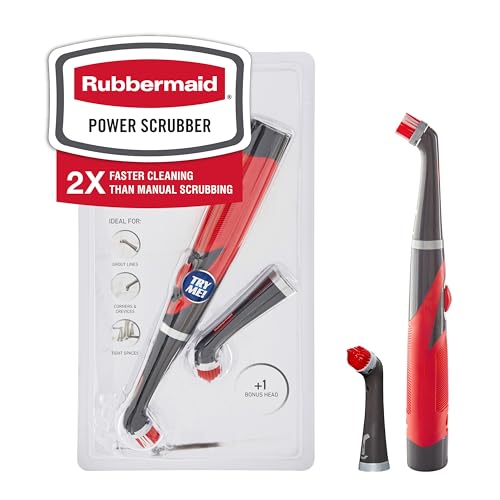
- Electric grout scrubber for tile and grout cleaning
- Steam mop with grout cleaning nozzle for bathrooms
- Non-abrasive tile cleaner or a pH-balanced cleaner
- Squeegee and microfiber cloths for drying
- Protective gloves and ventilation for cleaners


Before You Start
Review the cleaning area for cracked tiles or loose grout. Patch damage before intensive cleaning to avoid water intrusion behind tiles. Clear the shower or bath of personal items to give full access to corners and grout joints. Wear gloves and ensure good ventilation if using chemical cleaners. Plan a cleaning session that allows time for grout to dry between passes; typically 30–60 minutes per area, plus drying time.
Critical cautions: Do not use acidic cleaners on natural stone or unglazed tile; avoid bleach on colored grout unless it is labeled safe for colorfast grout; test cleaners in a small inconspicuous area first.
Step-By-Step: How To Clean Black Tiles Effectively
- Dry sweep or vacuum the area to remove loose dust and hair from tile surfaces and grout lines.
- Apply a non-abrasive tile cleaner to the surface; follow product directions for contact time.
- Use the stiff-bristle grout brush to scrub grout lines with a circular motion, focusing on areas with visible discoloration.
- For embedded grime, switch to an electric grout scrubber to boost grout cleaning power without needing excessive elbow grease.
- Rinse tiles with warm water and wipe with a microfiber cloth to remove soap residue before it dries.
- Run the steam mop with the grout cleaning nozzle along grout lines and tile faces to lift remaining residue and sanitize surfaces.
- Rewipe surfaces and dry with a squeegee to prevent water spots and mineral buildup on black tile glaze.
- Repeat the process on high-traffic areas or areas with persistent staining, allowing lines to dry between passes.
- Inspect grout for remaining stains; treat only with appropriate products to avoid over-cleaning or grout damage.
- Finish with a light rinse and optional tile sealer if your grout manufacturer recommends sealing for colorfast grout.
- Store tools properly after use and rinse out brushes to prevent grit buildup that dulls bristles over time.
Troubleshooting
| Symptom | Likely Cause | Fix | Prevention |
|---|---|---|---|
| Stubborn grout stains persist after cleaning | Mineral buildup or mildew | Use an electric grout scrubber with a mildew-specific cleaner; rinse thoroughly | Regular maintenance, quick wipe-down after showers |
| Tiles look dull after cleaning | Residue from cleaners or hard water deposits | Re-rinse with clean water and dry with microfiber; avoid waxy polishes | Test cleaners first; use pH-balanced formulas |
| Discoloration on grout returns quickly | Inadequate drying or frequent moisture | Dry grout thoroughly after cleaning; apply grout sealer if recommended | Ventilate bathrooms during and after cleaning |
| Tile glaze scratches or wears during scrubbing | Harsh abrasives or overly aggressive brushes | Switch to non-abrasive pads and softer brushes | Use the least abrasive method that works |
| Steam mop leaves streaks | Residue left on tile surface | Use a clean microfiber cloth to buff the tile after steaming | Rinse and dry surfaces after steaming |
Common Mistakes
- Using harsh or acidic cleaners on glossy black tile coatings
- Over-saturating grout with water or cleaner, which can loosen joints
- Rubbing too aggressively with metal scrubbers that scratch glaze
- Skipping a final rinse, which leaves mineral residues that dull the finish
Tips For Best Results
- Schedule a regular cleaning rhythm—weekly light cleaning plus monthly deep cleaning keeps grime from hardening in grout.
- Use a steam mop with a grout cleaning nozzle to minimize chemical usage while achieving deep sanitation.
- Dry each area after cleaning to prevent water spots and mold growth in grout lines.
- Test cleaners on a hidden tile corner to ensure colorfastness before broad application.
- Label and store tools by area to streamline future cleanings and maintain tool lifespans.
Call A Professional
Consider professional help if there are structural issues, persistent mold growth behind tiles, or extensive grout damage that requires resealing or regrouting. Stop signs include persistent mold despite cleaning, soft or loose tiles, or grout joints that crumble during brushing. A pro can assess substrate condition, provide a proper reseal or regrouting plan, and minimize the risk of water intrusion.
FAQ
Can I use bleach on black tile grout?
Bleach can effectively whiten grout but may affect color-fast grout or tile finishes. Test in a small area and follow product instructions.
What’s better for grout cleaning: manual brush or electric scrubber?
Electric grout scrubbers offer more power for built-up grime, but a stiff-bristle brush works well for lighter grout cleaning and routine maintenance.
Should I seal the grout after cleaning?
Sealing can help protect grout from moisture and stains; check your grout type and manufacturer guidance before sealing.
Can steam cleaning harm black tile glaze?
When used according to manufacturer guidelines, steam cleaning is safe for most glazed tiles; avoid overheating or direct steam on sensitive edges.
How often should I deep clean the grout?
Deep cleaning every 1–3 months depending on use, with lighter weekly cleaning, helps maintain a fresh, uniform look.
Is a dedicated tile cleaner necessary for black tiles?
No, a pH-balanced cleaner designed for ceramic or porcelain tiles is usually adequate; avoid highly abrasive formulas.
Buying Guide
Choosing cleaning tools and products tailored to black bathroom tiles ensures best results without damage. Consider size and layout of the bathroom, tile type, and grout material to pick compatible gear. Key buying factors include:
- Tile and grout compatibility: Ensure cleaners and tools are safe for glazed ceramics and the specific grout type used in the bathroom.
- Steam mop with grout nozzle: Look for adjustable steam, a grout cleaning attachment, and heat settings appropriate for bathrooms.
- Electric grout scrubber: Choose a model with adjustable speed and interchangeable heads to handle narrow joints and wide grout lines.
- Stiff-bristle grout brush: A durable handle and stiff bristles help tackle stubborn grout without scratching tile glaze.
- No-wipe cleaning options: Consider products that simplify the cleaning process and reduce residue for glossy black tiles.
- <bNoise, power, and energy use: Balance performance with acceptable noise levels and energy efficiency, especially for regular use.
- <bPlacement and storage: Choose compact gear or multi-piece tools that store easily in a bathroom cabinet or closet.
Are you balancing cost and convenience? Look for versatile tools that work across tile surfaces and grout, offer straightforward maintenance, and have good warranty coverage. Comparing a steam mop with grout nozzle, an electric grout scrubber, and a stiff-bristle brush helps cover both routine cleaning and deep grout work. Always verify compatibility with your tile finish and grout type before purchase.
Leave a Reply