How to Clean Black Quartz Countertops
Black quartz countertops offer a sleek, modern look, but they require proper cleaning to maintain their shine and durability. This guide provides a practical, step-by-step approach tailored for American kitchens, using safe methods and tools designed for quartz surfaces.
Below you’ll find a clear method to remove spills, everyday grime, and fingerprints without dulling the finish. The steps emphasize gentle, non-abrasive techniques that protect the sealant and prevent streaks on dark surfaces.
Quick Answer
Use a pH-neutral quartz countertop cleaner spray, a microfiber cloth, and a non-abrasive sponge or scrub pad. Wipe spills promptly, rinse with water, and dry with a clean cloth to prevent water spots on black quartz.
What You’ll Need
- pH-neutral quartz countertop cleaner spray 24 oz non-abrasive
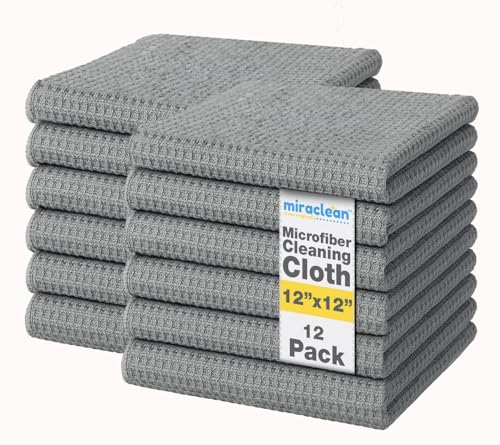
- microfiber cleaning cloths for quartz countertops 12×12 inch set
- non-abrasive sponge and non-scratch scrub pad for quartz countertops quartz-safe


Before You Start
Clear the countertop of any items and remove loose debris. Work in a well-ventilated area and use a soft cloth to avoid scratching. For new installations, follow the manufacturer’s guidance on cleaning frequencies. Do not use abrasive cleaners, bleach, or scouring pads on black quartz. Plan for a 10–15 minute cleaning session for routine upkeep and longer for deeper scrubbing after spills.
Step-By-Step: How To Clean Black Quartz Countertops
- Identify the spill or surface area and remove any solids with a dry microfiber cloth.
- Lightly spray the area with a pH-neutral quartz countertop cleaner spray and let it sit for a moment to loosen residues.
- Gently wipe with a microfiber cleaning cloths, using circular motions to lift stains without scratching the surface.
- For tougher spots, apply a small amount of cleaner to a non-abrasive sponge or non-scratch scrub pad and gently work the area.
- Rinse the area with clean water by wiping again with a damp microfiber cloth to remove any cleaner residue.
- Dry the surface completely with a dry, lint-free microfiber cloth to prevent water spots and streaks.
- Inspect for streaks; if needed, buff with a clean microfiber cloth in a final pass.
- Repeat as necessary for persistent marks, but avoid repeated scrubbing across the same spot to prevent dulling the finish.
Troubleshooting
| Symptom | Likely Cause | Fix | Prevention |
|---|---|---|---|
| Streaks after cleaning | Residue or insufficient drying | Wipe with a damp cloth, then dry completely | Dry thoroughly after each cleaning |
| Hazy appearance after spills | Residue left from sugary or acidic spills | Rinse with water and re-wipe with microfiber cloth | Wipe spills promptly |
| Scratches developing | Using non-approved abrasive tools | Switch to non-abrasive sponge or pad | Stick to soft cloths and non-scratch pads |
| Persistent stains | Deep-Seated oils or dyes | Repeat cleaning; consider a dedicated quartz-safe stain remover if recommended | Seal countertops only as advised by manufacturer |
Common Mistakes
- Using bleach or ammonia-based cleaners on dark quartz, which can dull or discolor the surface.
- Scrubbing with abrasive pads or stiff brushes that scratch the finish.
- Not drying the surface after cleaning, leading to water spots or mineral buildup.
- Allowing spills to sit for extended periods, especially oily or pigmented substances.
Tips For Best Results
- Always test a small, inconspicuous area when using a new cleaner.
- Wipe in a consistent direction to avoid streaks on matte or dark finishes.
- Keep a dedicated microfiber cloth for quartz surfaces to prevent cross-contamination with other materials.
- Use coasters under cups and hot pads under hot cookware to minimize heat and moisture exposure.
- Schedule routine cleaning weekly to keep the surface looking consistent and glossy.
Call A Professional
Consider a pro if scratches, deep stains, or dulling persist despite routine cleaning, or if the countertop has undergone improper repairs. Stop signs include visible deep scratches, etched dull areas, or signs of resin damage. A professional can assess seal integrity and recommend suitable refinishing or repair options.
FAQ
Can I use vinegar on black quartz countertops?
Avoid acidic cleaners like vinegar; they can dull or etch quartz over time. Use a pH-neutral cleaner instead.
How often should I clean quartz countertops?
Clean daily or after spills with a mild cleaner, and perform a deeper wipe-down weekly.
Are microfiber cloths necessary?
microfiber cloths are highly recommended for streak-free results and safe cleaning.
What should I do if a spill dries?
Re-wet the area with cleaner, let it sit briefly, then wipe with a microfiber cloth and rinse.
Is heat damage possible on quartz?
Quartz stands up well to heat, but it’s best to use trivets and avoid placing hot pots directly on the surface.
Do I need a sealant for quartz countertops?
Most quartz countertops do not require sealing, but follow the manufacturer’s care guidelines for your specific product.
Buying Guide
Key factors to consider when evaluating tools and cleaners for black quartz countertops:
- Size and compatibility: Ensure spray bottles and cloths are convenient for the space you clean most; larger kitchens may benefit from bigger cleaners, but smaller bottles are easier to handle for routine touch-ups.
- Noise level and ease of use: Choose tools and cloths that are lightweight and quiet; microfiber cloths reduce the need for aggressive scrubbing.
- Energy efficiency and materials: Water and a pH-neutral cleaner are typically enough; avoid energy-intensive processes or harsh chemicals that can degrade the surface.
- Controls and storage: Opt for compact spray bottles and organized cloth sets that fit your cabinet space and simplify cleaning routines.
- Placement and accessibility: Store cleaning supplies within reach of the kitchen dosing area, ensuring lids are secure and labels are legible.
For best results, select a pH-neutral quartz countertop cleaner spray 24 oz non-abrasive paired with a microfiber cleaning cloths for quartz countertops 12×12 inch set and non-abrasive sponge and non-scratch scrub pad for quartz countertops quartz-safe. This trio covers routine maintenance, spot cleaning, and gentle deep-cleaning without risking the finish.
Leave a Reply