How to Clean Black Appliances
Black appliances add a sleek, cohesive look to modern kitchens, but they can show fingerprints, smudges, and mineral spots more visibly. This guide explains practical, safe methods to keep black stainless steel and other black finishes looking showroom-new, using common cleaning products and tools.
By following a gentle, consistent routine, homeowners can maintain the luster of refrigerators, ovens, dishwashers, and more without streaks or dulling buildup.
Quick Answer
Clean with a dedicated black stainless steel cleaner spray or a mild, pH-balanced spray, wipe with a microfiber cloth, and finish with a non-scratch sponge degreaser for stubborn spots. Regular light cleaning is better than heavy scrubbing.
What You’ll Need
- Black stainless steel appliance cleaner spray
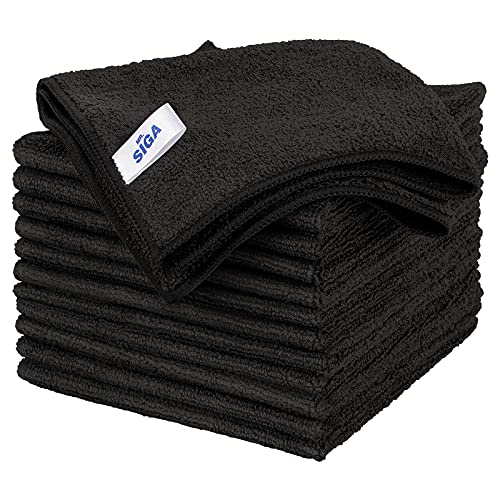
- Microfiber cleaning cloth for black appliances
- Non-scratch sponge degreaser for kitchen appliances
- Soft dry microfiber or lint-free cloth for buffing
- Water source and spray bottle (if mixing solutions)


Before You Start
Prepare a small, stable workspace around each appliance. Remove nearby items to avoid picking up grime and causing recontamination. Always test a small, inconspicuous area first to confirm no dulling or clouding occurs. Time estimate for typical cleaning session: 15–25 minutes per appliance. Important cautions include avoiding abrasive materials, ammonia-based cleaners, and chlorine bleaches, which can damage dark finishes and reduce protective coatings.
Step-By-Step: How To Clean Black Appliances
- Lightly dust or wipe off loose debris with a dry microfiber cloth to prevent scratching during cleaning.
- Spray a small amount of black stainless steel appliance cleaner spray onto a microfiber cloth (not directly onto the surface) to control overspray.
- Wipe along the grain of the finish in long, smooth strokes, ensuring you cover doors, handles, and control panels without saturating any seams.
- For stubborn spots, apply a non-scratch sponge degreaser for kitchen appliances lightly to the cloth or sponge and gently target the area. Do not press hard on the surface.
- Buff the surface with a dry microfiber cloth to remove any remaining moisture and to enhance shine without leaving streaks.
- Clean handles and edges with a slightly damp cloth, then dry them promptly to minimize fingerprint reaccumulation.
- Optionally, use a second dry microfiber cloth to final polish and ensure uniform appearance across the appliance.
- Inspect for streaks or smudges; repeat the rinse-and-wipe steps as needed for a spotless finish.
- Periodically switch to a light frequency cleaning routine to prevent heavy buildup and maintain a consistent look.
Troubleshooting
| Symptom | Likely Cause | Fix | Prevention |
|---|---|---|---|
| Streaks after cleaning | Residue from cleaner or improper wipe | Buff with a dry microfiber cloth; use a smaller amount of cleaner | Wipe in the direction of the finish grain |
| Cloudy finish after drying | Water spots or abrasive cloth residue | Use a fresh, damp cloth and dry thoroughly | Avoid circular motion; dry surfaces promptly |
| Fingerprints reappearing quickly | Natural oils and handling | Switch to a cleaner with smudge resistance | Regular light cleaning; wipe after heavy cooking |
| Scratches or dulling | Abrasive products or scrubbing | Cease use of abrasive pads; replace with microfiber | Follow product directions; test on hidden area first |
Common Mistakes
- Using abrasive sponges or pads on black finishes
- Spraying cleaners directly onto the surface
- Over-wetting electronics, seams, or vent areas
- Mixing cleaners with ammonia or chlorine bleach
Sticking to non-abrasive tools and dedicated cleaners helps preserve the protective coatings and the rich look of black appliances.
Tips For Best Results
- Work in a shaded area or with indirect light to better see streaks and fingerprints.
- Use a dedicated microfiber cloth for each appliance to avoid cross-contamination.
- Apply sprays to cloth, not directly to the appliance, to control application and avoid overspray on surrounding surfaces.
- Polish after cleaning to restore a uniform finish and reduce future fingerprints.
- Schedule a monthly quick clean to maintain luster and reduce buildup.
Call A Professional
Consider professional help if you notice persistent discoloration, peeling coatings, or if appliances have internal issues that require service, such as unusual odors, strange noises, or malfunctioning control panels. Do not attempt DIY repairs on electrical components or sealed finishes without manufacturer guidance.
FAQ
Can I use any stainless steel cleaner on black appliances?
Most cleaners labeled for stainless steel or black stainless will work, but always test first and follow the manufacturer’s directions.
Is a microfiber cloth enough, or do I need a sponge?
A microfiber cloth is typically sufficient for daily cleaning; use a non-scratch sponge for stubborn grease if needed.
How often should I clean black appliances?
A light wipe-down weekly plus a deeper clean monthly helps prevent buildup and keeps the finish uniform.
What should I avoid when cleaning black finishes?
Avoid abrasive pads, ammonia-based products, and bleach, as they can dull the finish or damage coatings.
Buying Guide
When selecting cleaners and tools for black appliances, consider size, finish compatibility, and ease of use. Factors to weigh include
- Size and coverage: Choose spray bottles or wipes that fit the cleaning rhythm of your kitchen.
- Finish compatibility: Ensure products are labeled safe for black stainless steel or black appliance finishes.
- Noise level and ease of use: Simple spray-and-wipe formulas reduce effort and time spent cleaning.
- Energy and material efficiency: Reputable cleaners reduce waste with efficient packaging.
- Controls and placement: Store cleaners out of reach of children and away from heat sources.
In practice, pairing a dedicated black stainless steel cleaner spray with a microfiber cleaning cloth delivers reliable results. For tougher grease, a non-scratch sponge degreaser can be a helpful secondary tool, used sparingly. If you manage multiple appliances, consider a kit that includes all three items to streamline maintenance.
Leave a Reply