How to Clean Billiard Balls for a Spotless Game
Clean billiard balls not only improve the appearance of the table but also enhance spin, tracking, and overall performance during play. This guide walks American players through a safe, effective cleaning routine using readily available tools and products designed for billiards equipment.
The following steps emphasize practical methods that preserve the finish of each ball while removing oils, chalk dust, and fingerprints. Whether you’re refreshing a home set or maintaining a professional collection, consistent care helps extend the life of billiard balls and keeps games fair and visually appealing.
Quick Answer
For most households, a dedicated billiard ball cleaning kit paired with a mild pool ball cleaning spray and a microfiber polishing cloth offers fast, reliable results. Wipe, rinse, dry, and buff to restore shine without leaving residue or abrading the surface.
What You’ll Need
- billiard ball cleaning kit
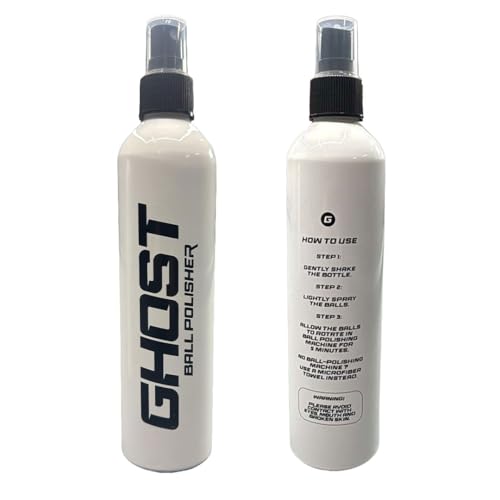
- pool ball cleaning spray
- microfiber polishing cloth for billiard balls
- clean water for rinsing
- soft-bristle brush (optional)


Before You Start
Inspect balls for deep scratches or gouges; cleaning cannot fix structural damage. Place the balls on a clean, flat surface away from edges to prevent rolling. Use a light, circular motion when applying spray to avoid uneven build-up. Allow spray to evaporate before buffing to prevent smearing. Time investment typically ranges from 5 to 15 minutes per cleaning session, depending on the number of balls.
Step-By-Step: How To Clean Billiard Balls
- Remove all balls from the rack and arrange them on a soft towel to prevent scratches.
- Apply a light mist of pool ball cleaning spray to a couple of balls at a time.
- Gently wipe with a microfiber polishing cloth, using small circular motions to lift oils and chalk residue.
- For stubborn marks, use a soft-bristle brush with minimal pressure and rinse the cloth frequently.
- Rinse each ball briefly with clean water if the spray leaves a film; avoid soaking the balls.
- Pat the balls dry with a dry section of the microfiber cloth or a clean towel.
- Buff each ball with a second dry, clean area of the cloth until a bright sheen appears.
- Check for remaining smudges; repeat the spray-and-wipe process as needed in small batches.
- Return balls to the rack, ensuring even spacing and alignment for the next game.
- Store the cleaning kit and supplies in a cool, dry place to extend their usability.
- For complete maintenance, perform a monthly wipe-down even when balls appear clean.
Troubleshooting
| Symptom | Likely Cause | Fix | Prevention |
|---|---|---|---|
| Cloudy appearance after cleaning | Residual cleaning spray or water spots | Wipe with a fresh microfiber cloth until dry | Rinse lightly, avoid over-wetting |
| Sticky feeling on surface | Excess spray or improper drying | Completely dry with clean cloth | Use minimal product per ball |
| Scratches visible after cleaning | Pre-existing surface damage | Regular cleaning cannot fix damage | Handle with care to prevent further wear |
| Uneven shine | Uneven buffing pressure | Buff evenly with consistent pressure | Use a single, clean cloth for final polish |
Common Mistakes
- Using abrasive cleaners or solvents that dull the finish
- Over-wetting balls or letting water pool on the table
- Rubbing too hard, which can wear the ball’s surface
- Skipping drying, which leaves streaks or film
Stick to soft materials and gentle motions to preserve the balls’ finish and balance.
Tips For Best Results
- Clean balls in small, manageable batches to ensure thorough care.
- Always use a dedicated pool ball cleaning spray formulated for billiard balls.
- Keep a dedicated microfiber cloth reserved for ball polishing to avoid cross-contamination with other surfaces.
- Store cleaning supplies away from direct sunlight to prevent chemical degradation.
- Inspect balls after cleaning for any re-appearance of oils or chalk; a quick second pass can help.
Call A Professional
Consider a professional if balls show deep, permanent scratches, warping, or if finish deterioration affects gameplay. Stop cleaning and consult a pro when balls no longer roll true or when the finish is compromised beyond cosmetic improvement.
FAQ
How often should billiard balls be cleaned?
Clean after heavy use or when visible oils, chalk, or fingerprints accumulate; regular maintenance reduces buildup and preserves gloss.
Can I use dish soap to clean billiard balls?
Dish soap is not recommended; it can leave residues. Use a dedicated billiard ball cleaning spray or mild cleaners designed for sports equipment.
What is the best cloth type for polishing?
microfiber is ideal because it lifts oils without scratching the surface and dries quickly.
Do cleaned balls affect spin and performance?
Yes, properly cleaned balls have more predictable spin and tracking due to cleaner surfaces and reduced residue.
Buying Guide
When choosing products to clean billiard balls, consider size and scope, the efficacy of the cleaning spray, and the quality of cloths. A compact billiard ball cleaning kit typically includes brushes, sprays, and a microfiber cloth designed for smooth finishes. Look for spray formulations that are non-abrasive and residue-free. For maintenance, ensure cloths are lint-free and machine-washable. Consider kits that offer a dedicated storage case to keep supplies organized and protected from dust. If you entertain often, a larger kit with extra cloths and a soft brush can speed up larger cleaning tasks.
How many products should you buy? A basic setup with one cleaning spray, one microfiber cloth, and one soft brush is enough for casual players. Customizing your kit with additional cloths and a second spray can save time on busy days. Are you cleaning personal or commercial sets? For frequent cleaning, a higher-capacity kit is more practical. Lastly, verify compatibility with your table’s finish and the balls’ material to avoid any adverse reactions. A well-chosen set keeps billiard balls looking pristine and playing smoothly for years.
Leave a Reply