How to Clean Between Tiles Effectively
Keeping grout lines clean can dramatically improve the look of your tile surfaces. This guide covers practical, user‑friendly methods and tool options to remove dirt, mildew, and stains from between tiles in kitchens, bathrooms, and entryways.
Quick Answer
Choose a grout cleaning tool based on grout depth and condition: for light to moderate soil, a nylon bristle grout cleaning brush or cordless electric grout cleaner works well; for stubborn or damaged grout, a grout removal tool may be needed before re‑grouting.
What You’ll Need
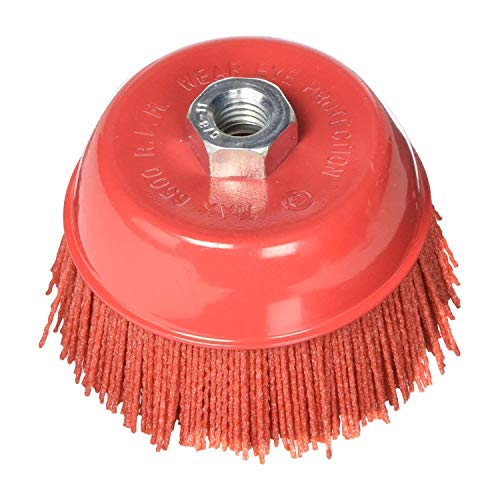
- Grout cleaning brush nylon bristle 4-inch tile grout cleaning tool — a standard hand brush for routine grout cleaning
- Electric grout cleaner scrubber cordless tile grout brush — for deeper cleaning and faster scrubbing
- Grout removal tool carbide grout saw scraper for removing old grout — for damaged grout that requires replacement
- Non‑abrasive cleaner or mild bleach solution (as directed by tile manufacturer)
- Protective gloves and eye protection
- Old toothbrush or detail brush for tight corners
- Grout sealer (optional) to protect newly cleaned grout


Before You Start
Assess the grout condition before cleaning. Cracked or crumbling grout requires repair or replacement first to prevent further damage. Work in small sections to avoid drying cleaners on the tile. Test cleaners on an inconspicuous area to ensure they won’t discolor the tile. Allow the area to dry between cleaning passes for best results. Plan time accordingly: a typical bathroom could take 30–60 minutes per section depending on grout depth and soil level.
Step-By-Step: How To Clean Between Tiles
- Protect surrounding surfaces with a towel or plastic sheeting to catch drips.
- Apply a mild cleaner or a diluted bleach solution to the grout lines; let it sit for 5–10 minutes for deep cleaning.
- Scrub along the grout lines with the grout cleaning brush nylon bristle 4-inch tile grout cleaning tool, using small circular motions.
- For stubborn stains, use the electric grout cleaner scrubber cordless tile grout brush to improve agitation and speed up the process.
- Rinse the area with clean water and wipe dry with a microfiber cloth to remove residue.
- Inspect grout for remaining stains. Repeat scrubbing if necessary, focusing on corners and under edge tiles.
- If grout appears discolored or damaged, consider using a grout removal tool carbide grout saw scraper for removing old grout and regrouting.
- Allow grout to dry completely, then apply a grout sealer to protect against future staining (optional).
- Clean tools promptly after use to extend their life and prevent transfer of grime.
- Document maintenance intervals to maintain a consistent cleaning schedule.
Troubleshooting
| Symptom | Likely Cause | Fix | Prevention |
|---|---|---|---|
| Grout remains dirty after cleaning | Deep staining or ingrained mildew | Repeat cleaning with stronger cleaner; consider a grout brightener | Seal grout after cleaning; increase cleaning frequency |
| Discoloration or whitening of grout | Overuse of bleach or wrong cleaner | Rinse thoroughly; switch to milder cleaner | Test cleaners first; follow manufacturer guidelines |
| Cracking or crumbling grout | Worn or damaged grout | Use grout removal tool to replace damaged sections | Regular regrouting when signs appear |
| Streaks on tile after rinse | Residue from cleaner | Rinse with plenty of water; wipe dry | Use approved cleaners in proper dilution |
Common Mistakes
- Using abrasive tools on cementitious grout, which can wear it down
- Applying harsh cleaners that can damage tile or grout color
- Letting cleaner sit too long and causing residue or haze
- Neglecting to seal grout after cleaning, increasing future staining
Keep grout in good condition by choosing the right combination of tools and cleaners, and by maintaining a routine cleaning schedule.
Tips For Best Results
- Test any cleaner on a small area first to prevent damage or color change
- Work from the center of a panel outward to avoid pushing grime into already cleaned areas
- Use a steam-free method if you have sensitive tile finishes; steam can drive moisture into porous grout
- Consider a grout sealer after cleaning to extend the cleanliness interval
- Label and store tools by project to prevent cross-contamination of grout types
Call A Professional
Seek a professional if grout is severely cracked, crumbling, or if mold growth extends behind tiles. Stop work immediately if you notice loose tiles, persistent mold despite cleaning, or if you’re unsure about safety when handling chemical cleaners.
FAQ
Can I use bleach to clean grout?
Yes, diluted bleach can be effective on white or light grout. Always ventilate the area and test first to avoid color changes.
What’s the best tool for stubborn grout stains?
A cordless electric grout cleaner scrubber can deliver more agitation for stubborn stains than manual brushes.
How often should grout be sealed?
Seal new grout after it has cured, and reseal periodically based on traffic and wear.
Is regrouting necessary after heavy damage?
Yes, damaged grout weakens tile integrity; removing damaged grout and regrouting is usually required.
Can I clean grout without removing tiles?
Yes, most grout cleaning tasks can be done in place with appropriate tools and cleaners.
Should I use hot or cold water for rinsing?
Use lukewarm water for rinsing to help dissolve residues without shocking the grout.
Buying Guide
When selecting tools for cleaning between tiles, consider size, power, and compatibility with your grout type. For light cleaning, a grout cleaning brush nylon bristle 4-inch tile grout cleaning tool is often sufficient and inexpensive. If you have larger surfaces or stubborn grime, a electric grout cleaner scrubber cordless tile grout brush can save time and effort. For damaged or deep staining, a grout removal tool carbide grout saw scraper for removing old grout may be necessary before regrouting. Look for tools with comfortable grips, replaceable heads, and safety features. Choose cleaners compatible with your tile type and avoid aggressive chemicals that can degrade grout or tile finishes. After cleaning, consider applying a grout sealer to protect newly cleaned lines. Think about noise levels and maneuverability if you’re cleaning a bathroom or kitchen with tight corners. Finally, assess storage space and whether you prefer corded or cordless options for mobility. By balancing cleaning power with surface safety, you’ll select the right setup for durable, fresh‑looking grout.
Leave a Reply