How to Clean Between Deck Boards
Maintaining a wooden deck requires attention to the spaces between boards where dirt, mold, and mildew tend to accumulate. Proper cleaning between deck boards helps prevent damage, preserves curb appeal, and extends the life of the wood. This guide covers practical steps, the right tools, and safe practices for American homeowners tackling gaps, seams, and tricky between-board areas.
Quick Answer
Quick method: Use a deck gap cleaner brush with nylon or stiff bristles to scrub between boards, followed by a rinse with a pressure washer deck brush designed for between-board gaps. For stubborn grime, repeat the brushing and rinsing, then allow the area to dry completely before applying any sealant or stain.
What You’ll Need
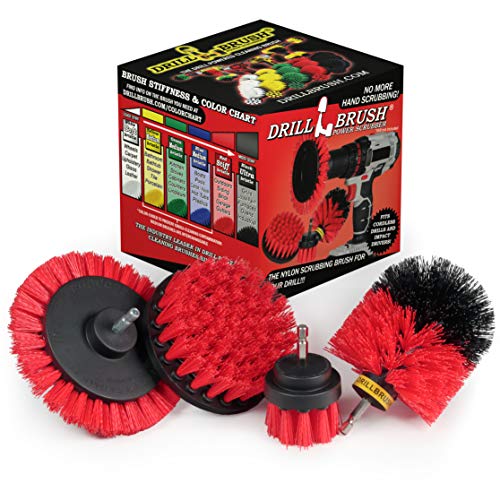
- Deck gap cleaner brush nylon bristles
- Deck cleaning brush stiff bristle for between boards
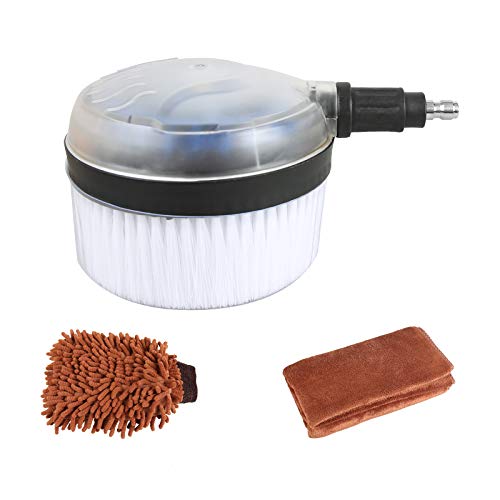
- Pressure washer deck brush for between boards gaps
- Protective gloves and eye protection
- Deck cleaner or mild detergent
- Water source and garden hose or outdoor faucet
- Optional: a spray bottle with white vinegar or specialized deck brightener

Before You Start
Assess the deck surface for loose boards, nails, or screws. Repair any loose boards before cleaning to prevent injuries or further damage. Clear outdoor furniture and plants from the area and cover nearby plants if you plan to use cleaners or brighteners. Allow for good ventilation and choose a dry day with minimal wind. Wear eye protection and gloves to guard against splashes. Allow the deck to dry completely after cleaning, then inspect for any remaining stains that may require a second treatment.
Step-By-Step: How To Clean Between Deck Boards
- Prepare the area by removing debris from the gaps with a brush or a putty knife, taking care not to gouge the wood.
- Mix a mild deck cleaner or detergent with water according to product instructions or use a 1:1 mixture of water and white vinegar for a gentle option.
- Dip the deck gap cleaner brush nylon bristles or deck cleaning brush stiff bristle for between boards into the cleaning solution and begin scrubbing along the gaps, using vertical and then lateral motions to reach deep between boards.
- For recessed gaps, use a smaller brush or a narrow tool to dislodge embedded dirt without scratching the wood.
- Rinse the area with a pressure washer deck brush for between boards gaps or a garden hose with a spray nozzle, moving along the boards to flush out loosened debris.
- Repeat brushing and rinsing as needed until the area runs clear of grime. Avoid aggressive scrubbing that can damage softwood fibers.
- Allow the deck to dry completely—ideally 24 to 48 hours in dry, sunny conditions—before applying any sealant or stain.
- Inspect for remaining stains and treat them with a targeted approach, such as a mild cleaner or a brighterener, following label directions.
- Finish by applying any protective sealant or stain if planned, ensuring even coverage across all gaps.
- Clean tools immediately after use and store them in a dry place to extend their life.
Troubleshooting
| Symptom | Likely Cause | Fix | Prevention |
|---|---|---|---|
| Mildew returns quickly | Insufficient drying time or damp shade | Improve airflow, clean thoroughly, and allow full drying before sealing | Schedule cleaning during sunny, dry days |
| Streaks after rinsing | Residual cleaner or mineral deposits | Rinse with clean water until no suds remain | Use the correct dilution and thorough final rinse |
| Wood discoloration | Harsh cleaner or improper backing | Switch to milder cleaner and test a small area first | Follow product directions and test on a hidden spot |
| Brushing bruise or scratches | Excessive scrubbing | Switch to softer bristles and gentler strokes | Use appropriate tools for between-board gaps |
Common Mistakes
- Using a pressure washer too close or with too high a psi can damage wood between boards
- Neglecting to remove all debris from the gaps before cleaning
- Over-wetting the area, which extends drying times and promotes mold growth
- Applying cleaner or brightener without following label instructions
Tips For Best Results
- Choose a dry, sunny day and avoid windy conditions to prevent splashing onto plants or walls
- Test cleaners on a hidden area to confirm that the finish won’t be affected
- Work systematically across the deck to ensure even cleaning and drying
- Rinse thoroughly to remove residues that could affect stain or sealant adhesion
- Use a dedicated deck brush for between-board gaps to maximize cleaning efficiency
Call A Professional
Consider a pro if the deck has extensive rot, soft boards, or structural damage, or if you are unsure about the wood type and suitable cleaners. Stop cleaning and seek expert advice if you notice warped boards, loose fasteners, or significant water damage. A professional can assess framing integrity, recommend safer cleaning methods, and apply protective finishes correctly.
FAQ
Can I use soap and water to clean between deck boards?
Yes, a mild deck cleaner or soapy water works for routine cleaning, but avoid harsh chemicals that can damage wood or finish.
How often should I clean between deck boards?
Clean at least once a year, or more frequently if you notice mold, mildew, or heavy debris buildup in shaded or damp areas.
Is a pressure washer safe for all deck types?
Pressure washers are safe on many decks when used with the correct nozzle and at low to moderate pressure; always test on a small area first.
Should I seal or stain immediately after cleaning?
Allow the deck to dry fully before sealing or staining to ensure proper adhesion and durability.
Buying Guide
When choosing tools and products for cleaning between deck boards, consider these factors to achieve the best results without damaging the wood:
- Size and reach: Handled brushes are ideal for tight gaps, while longer handles help cover larger boards more efficiently.
- Bristle type: Nylon bristles are durable and corrosion-resistant; stiff brushes reach deeply but can wear soft wood if used aggressively.
- Cleaning power: A gentle detergent works for regular maintenance; stronger cleaners are suitable for mildew but require careful handling and proper rinsing.
- Rinsing method: A garden hose with a spray nozzle is gentle; a pressure washer offers quick cleaning but must be used with care to avoid damage.
- Material compatibility: Check that cleaners and brighteners are safe for your deck wood type (e.g., cedar, redwood, pressure-treated pine).
- Placement and storage: Store tools in a dry area away from direct sun; keep cleaners sealed and labeled for safety.
For most homeowners, a combination of a deck gap cleaner brush, a stiff bristle deck cleaning brush, and a pressure washer deck brush provides the right balance of reach, scrubbing power, and rinsing capability. Think about your deck size, typical grime, and whether you prefer a low-effort approach or a more thorough, deep-clean method. Ready to tackle the gaps? With the right tools and steps, clean, bright gaps can restore your deck’s appearance and longevity.
Leave a Reply