How to Clean Beef Tallow
Beef tallow is a versatile fat that enhances flavor and texture in many dishes. Properly cleaning and storing tallow ensures a clean taste and longer shelf life. This guide walks through practical steps using common kitchen tools to yield clear, usable fat for cooking, baking, and frying.
Quick Answer
Render, strain, and chill to obtain clean beef tallow. Use a rendering pot with a thermometer to maintain steady heat, a cheesecloth or fine sieve to strain, and a fat separator to help separate fat from impurities. Store in a cool, dry place or refrigerate for extended shelf life.
What You’ll Need
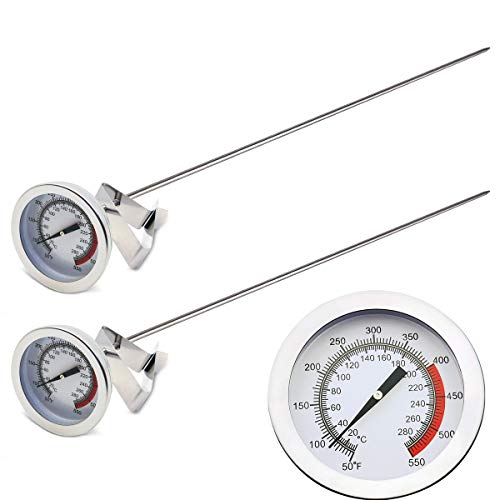
- Stainless steel beef tallow rendering pot with thermometer
- Cheesecloth for rendering beef fat
- Fat separator for rendering tallow
- Kitchen towels or coffee filters for extra straining (optional)
- Fine mesh sieve or coffee filter for final pass

Before You Start
Prepare a clean workspace and keep your tools dry. Remove any moisture from the meat fat and start with low heat to avoid scorching. Beware of hot splashes and never leave the pot unattended while rendering. Allow time for the fat to fully render and settle before final filtering. Estimated time range for a small batch is 45 minutes to 1.5 hours depending on fat quantity.
Step-By-Step: How To Clean Beef Tallow
- Cut refrigerated beef fat into uniform pieces to promote even rendering. Remove any meat scraps or connective tissue.
- Place the fat in the rendering pot and set the thermometer to a low simmer. Gentle heat prevents scorching and preserves flavor.
- As fat melts, skim off surface impurities with a spoon or ladle. Discard solids that float to the top.
- Continue cooking until a clear liquid fat forms and the remaining solids are brown and crumbly.
- Pour the warm liquid through a cheesecloth lined sieve to remove small particles. Let the first pass drain completely.
- For extra clarity, pass the strained fat through a fine mesh sieve or additional cheesecloth into a clean container.
- Cool the fat briefly, then transfer to a fat separator if you have one to remove any additional moisture or water droplets.
- Store the clarified tallow in clean jars or metal tins. Keep in a cool, dark place or refrigerate for longer shelf life.
- Label with date and batch to track freshness. Use within several months when stored properly.
- Clean all utensils promptly to prevent any residual fat from solidifying on surfaces.
- Reclaim crackling browned bits for flavoring stocks or gravies, if desired.
- Repeat the process as needed when achieving larger quantities or different fat quality.
Troubleshooting
| Symptom | Likely Cause | Fix | Prevention |
|---|---|---|---|
| Fat stays cloudy | Insufficient rendering or moisture | Extend rendering time and use a finer filter | Dry fat before rendering |
| Strong meaty odor | Impurities or insufficient straining | Filter more thoroughly and discard solids | Trim fat well and keep heat controlled |
| Undesired color or tint | Overheating or burnt residue | Reduce heat and remove browned bits promptly | Monitor temperature with thermometer |
| Fat solidifies streaky or separated | Water in fat | Let fat settle longer and decant slowly | Ensure fat is dry before rendering |
Common Mistakes
- Rushing the rendering at too high heat
- Skipping filtration steps leading to impurities in the final fat
- Not drying the fat thoroughly before rendering
- Using metal containers that react with fat when hot
Tips For Best Results
- Render in small batches to maximize clarity and yield
- Keep a steady simmer rather than a rolling boil
- Scoop out foam periodically to improve clarity
- Label and date each batch to track quality over time
Call A Professional
Seek professional guidance if you notice a strong rancid smell, unusual color, or if you plan to render very large quantities. Fat handling experts can advise on safe storage and shelf life, especially for commercial use or long term stock preparation.
FAQ
How long does beef tallow stay good?
Properly rendered and stored tallow lasts several months in a cool, dark place and longer when refrigerated.
Can I reuse tallow for flavor after cooking?
Yes, rencooking with clarified tallow can add flavor, but avoid reusing if odor or color indicates spoilage.
What is the best way to store beef tallow?
Store in clean, dry jars or tins; keep away from direct heat and light. Refrigeration extends shelf life.
Is there a risk of rancidity?
Yes if exposed to heat, light, or air for long periods. Use airtight containers and rotate batches.
Should I remove all browned bits during rendering?
Removing most solids improves clarity, but browned bits can be saved for enhancing stocks.
Do I need a fat separator?
A fat separator helps separate water and milk solids from the fat, improving purity.
Buying Guide
When selecting gear for beef tallow cleaning, consider several factors to optimize results and safety. Size matters for batch needs; larger pots suit frequent rendering while smaller pots fit casual use. Noise level from any electrical renderers matters in a quiet kitchen. Energy efficiency and heat distribution affect rendering time and flavor retention. Controls should offer precise temperature management to avoid scorching. Placement should be in a well ventilated area away from heat sources. If choosing tools, prioritize a stainless steel beef tallow rendering pot with thermometer, a cheesecloth for rendering beef fat, and a fat separator for rendering tallow to support clean extraction and easy cleanup. For best results, match the tool quality to your batch size and kitchen workflow.
Whether you are rendering a small batch for daily use or preparing larger quantities for storage, the combination of proper tools and careful technique yields clear, shelf stable tallow. Ready to start, or need to compare models? Think about your typical batch size, how often you render, and where you will store the finished tallow in your kitchen.
Leave a Reply