How to Clean a Bed Headboard Easily and Safely
Cleaning a bed headboard keeps bedrooms fresh and inviting. Whether the headboard is fabric, wood, or upholstered, the right tools and steps prevent damage while removing dust, stains, and odors. This guide focuses on practical methods for common headboard materials, with quick, actionable advice for American households.
Quick Answer
For fabric headboards, start with gentle dusting and spot cleaning, then use a handheld fabric steamer for refreshing. Vacuum upholstery tool attachments remove surface dust, and a microfiber cleaning cloth helps lift dirt without abrasion. Always test in an inconspicuous area first.
A Practical Set Of Tools And Materials
Having the right gear makes a big difference. Gather these items before you begin to speed up the process and protect surfaces.
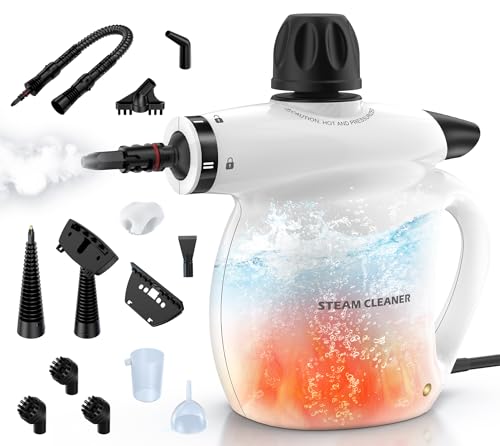
- Handheld fabric steamer headboard cleaning
- Vacuum cleaner upholstery tool headboard dusting
- Microfiber cleaning cloth for fabric headboard


Before You Start
Prepare the area: clear the nightstands and remove any loose items. Check the headboard material and follow any care labels. For fabric headboards, avoid soaking liquids that can bleed colors. Time estimate: 20–40 minutes for a typical headboard. Important cautions include not applying hot steam directly to wood joinery or hardware that could warp, and never using abrasive cleaners on delicate fabrics.
Step-By-Step: How To Clean A Bed Headboard
- Remove loose dust with the vacuum cleaner upholstery tool headboard dusting attachment, working in slow, even strokes.
- Use a microfiber cleaning cloth for fabric headboard to wipe down broad surfaces, turning the cloth to a clean side as needed.
- If stains are present, test a small, hidden area first, then apply a light fabric-safe cleaner or a damp cloth to blot the spot.
- For fabric headboards, lightly steam with a handheld fabric steamer headboard cleaning, holding at a safe distance and moving steadily to prevent soaking.
- For stubborn stains, use a fabric-safe stain remover according to the product instructions, working from the outside of the stain toward the center.
- Dry the surface thoroughly with a fresh microfiber cloth, ensuring no residual moisture remains in seams or piping.
- Revisit with the vacuum attachment to pick up any loosened fibers or loosened dust after steaming or spot cleaning.
- Fluff and air out the headboard by allowing it to air dry while the room is well-ventilated.
- Inspect for any remaining odors; apply a light fabric refresher if desired, ensuring it’s compatible with the headboard material.
- Reassemble accessories and return items to their original positions once completely dry.
Troubleshooting
| Symptom | Likely Cause | Fix | Prevention |
|---|---|---|---|
| Streaks after cleaning | Over-wetting fabric | Blot with dry microfiber and let air dry | Use minimal moisture and test first |
| Color bleed after cleaning | Wrong cleaner on fabric | Rinse with clean water and blot dry | Follow care label and test spot |
| Persistent musty smell | Moisture trapped in seams | Increase ventilation and re-dry thoroughly | Prompt drying after cleaning |
| Stiff texture after steam | Over-steaming | Let fabric dry completely, then brush | Use low-heat, brief bursts |
Common Mistakes To Avoid
- Using harsh chemicals on fabric headboards instead of fabric-safe products
- Soaking the fabric or letting moisture pool in seams
- Overlooking hidden dust in corners or along rails
- Directly applying heat too closely; that can warp or distort materials
Tips For Best Results
For best outcomes, schedule regular quick cleanups to prevent buildup. Always perform a spot test before applying cleaners. Use a clean, microfiber cloth that lifts dirt rather than smearing it. If your headboard is part of a larger decor theme, coordinate scents with a light, fabric-safe spray used sparingly and with ventilation.
Call A Professional
Consider professional help if the headboard has extensive staining, water damage, or if you notice fabric fading after cleaning. Seek expertise if the materials include antique wood trims, delicate inlay, or upholstery with fragile seams. Stop cleaning and consult a pro if you detect mold, persistent odors, or a suspicious growth.
FAQ
Can I use a steam cleaner on a wooden headboard?
Steam is generally not recommended for bare wood; it can raise grain or warp adhesives. Use minimal moisture and dry promptly when cleaning wooden sections.
How often should I clean a fabric headboard?
Light maintenance every 1–2 weeks helps prevent buildup; a deeper cleaning every 1–3 months is typical, depending on usage and room conditions.
Is a vacuum safe on all headboard materials?
Yes, with the appropriate attachment and setting. Use a soft brush or upholstery tool to avoid surface damage on delicate fabrics.
What if my headboard has delicate piping or tufting?
Clean with careful blotting and avoid saturating areas with liquid cleaners; use a small brush to lift debris from seams.
Are there eco-friendly cleaners suitable for headboards?
Yes. Choose fabric-safe, low-toxicity cleaners and test first on an inconspicuous area.
Buying Guide
When selecting cleaning tools for bed headboards, consider size, noise, and compatibility with your headboard material. A handheld fabric steamer offers quick refreshment without soaking fabric, while a vacuum with an upholstery tool handles surface dust efficiently. A microfiber cloth minimizes fiber shedding and enhances dirt pickup. Look for adjustable steam settings, a lightweight design, and easy-to-clean attachments. For sensitive fabrics, choose cleaners labeled safe for upholstery and follow the manufacturer’s care instructions. If you own multiple headboard materials, a versatile kit with a steamer, a soft brush, and microfiber cloths provides the best value and flexibility.
Leave a Reply