How to Clean a Bathtub With Baking Soda
Cleaning a bathtub using baking soda is a simple, effective, and budget-friendly method for removing soap scum and stains. This guide walks through a practical approach that works with common household tools, minimizes scratches, and keeps surfaces gleaming without harsh chemicals.
Baking soda acts as a gentle abrasive and deodorizer when combined with water or a mild liquid cleaner. By following these steps, homeowners can restore brightness to porcelain, fiberglass, and acrylic tubs while maintaining safe, routine cleaning habits.
Quick Answer
Fast method: Make a baking soda paste, apply to stains, scrub with a non-scratch brush or abrasive sponge, rinse, and wipe dry for a fresh, streak-free tub.
What You’ll Need
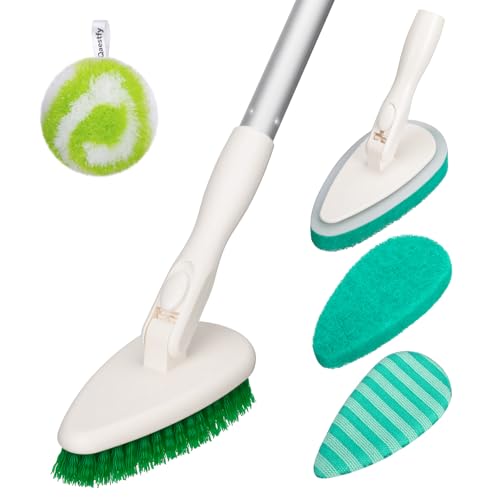
- Non-scratch bath scrub brush nylon bristles for baking soda tub cleaning
- Abrasive sponge scrub pad for bathrooms tub cleaning baking soda paste
- Microfiber bathroom cleaning cloth set for tub and grout baking soda cleaning


Before You Start
Clear the tub area and remove all personal items. Ventilate the bathroom if you’re sensitive to odors. The typical cleaning time ranges from 15 to 30 minutes depending on stain severity. Warning: avoid using metal scouring pads or harsh chemicals that can scratch or damage the surface.
Step-By-Step: How To Clean A Bathtub With Baking Soda
- Rinse the tub with warm water to loosen soap scum and soften grime.
- Sprinkle baking soda generously on damp surfaces, focusing on stained or discolored areas.
- Prepare a light cleaning paste by mixing baking soda with a small amount of water until a thick consistency forms.
- Use the non-scratch bath scrub brush to scour circular motions over the paste, applying moderate pressure.
- For stubborn stains, let the paste sit for 5–10 minutes before scrubbing again with the abrasive sponge scrub pad.
- Rinse thoroughly with warm water, ensuring all baking soda residue is removed from corners and drains.
- Wipe the tub dry with microfiber cloths to prevent water spots and streaks.
- Inspect for remaining grime. Repeat the process on any persistent spots as needed.
- For grout lines, apply a small amount of paste to the vertical surfaces and scrub gently with the brush.
- Finish by a final rinse and dry to maintain a bright, clean appearance.
- Optional: alternate with a mild vinegar spray for extra deodorizing before the final rinse.
- Store baking soda and cleaning tools in a dry, accessible area for quick future touch-ups.
Troubleshooting
| Symptom | Likely Cause | Fix | Prevention |
|---|---|---|---|
| Streaks or residue after rinse | Leftover baking soda | Rinse thoroughly and wipe dry with microfiber cloth | Rinse promptly after scrubbing |
| Scratches on tub surface | Using a metal or harsh abrasive tool | Switch to a non-scratch brush and soft pad | Never use metal scrubbers |
| Stains persist on porcelain | Deep-set mineral deposits | Reapply paste and let sit longer, then scrub | Clean regularly to prevent buildup |
| Discoloration on fiberglass | Overly abrasive action | Use gentler circular motions and lighter pressure | Test paste on a small area first |
Common Mistakes
- Using harsh or metal scrubbers that scratch surfaces
- Inadequate rinsing, leaving baking soda residue behind
- Over-applying paste and allowing it to dry on surfaces
- Ignoring safety recommendations for sensitive skin or pets
Tips For Best Results
- Keep a damp brush ready for quick touch-ups after each shower to prevent buildup
- Combine baking soda with a light amount of dish soap for extra grease-cutting power
- For hard water stains, use warm water and a longer sitting time before scrubbing
- Always dry the tub after cleaning to prevent water spots and mildew growth
Call A Professional
Consider a pro if the tub has deep etching, severe staining, or persistent mold that does not respond to baking soda cleaning. Seek professional help if you notice persistent foul odors, cracking surfaces, or water damage around the tub area.
FAQ
Can baking soda clean soap scum effectively?
Yes, baking soda is effective at breaking down soap scum when used with a mild amount of water and gentle scrubbing.
Is baking soda safe on fiberglass tubs?
Yes, baking soda is generally safe for fiberglass when used with non-scratch tools and mild agitation.
Should I mix baking soda with vinegar?
Mixing baking soda with vinegar creates fizz, but avoid prolonged mixing directly on surfaces; a baking soda paste followed by water is often sufficient.
How often should I clean a bathtub with baking soda?
Regular maintenance after weekly baths or showers helps prevent buildup; a deeper cleaning every 1–2 weeks is common depending on usage.
Buying Guide
When choosing tools for baking-soda bathtub cleaning, consider size, durability, and material compatibility. The goal is to balance effective scrubbing with surface safety.
- Size and reach: Choose brushes and pads that fit comfortably in the tub and can reach corners and drains without overextending.
- Noise level: Non-scratch nylon brushes and soft pads tend to be quieter and less disruptive.
- Energy efficiency and materials: Reusable microfiber cloths and scrub brushes reduce waste and consumption.
- Controls and ease of use: Gripped handles, ergonomic designs, and simple rinsing capabilities improve cleaning efficiency.
- Placement and storage: Store cleaning tools near the bathroom to encourage regular maintenance and quick access.
Considering the listed product keywords helps ensure compatibility with baking-soda based cleaning routines. The right combination of tools supports a safer, more effective tub cleaning routine.
Leave a Reply