How to Clean a Bathtub Drain Clogged With Hair
Hair buildup is the most common cause of bathtub drains slowing down or blocking. With a few practical tools and a methodical approach, you can restore full drainage without professional help. This guide outlines a safe, step-by-step process to tackle hair clogs and keep drains flowing smoothly.
Quick Answer
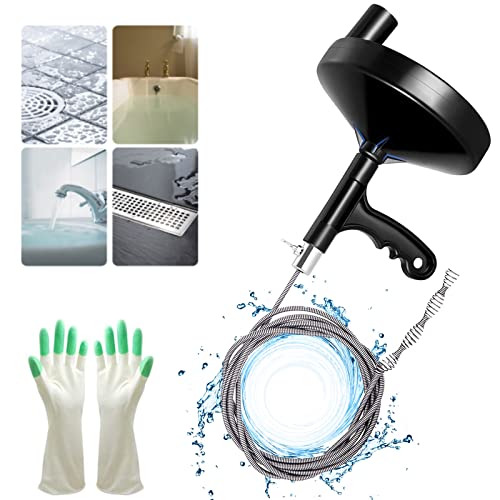
Start by removing visible hair with a stainless steel tub hair catcher drain filter screen, then use a 25 ft bathtub drain snake hair clog remover auger to break deeper clogs. If needed, pair a bathroom plunger with flange bathtub drain unclogger with a few measured plunges. Repeat as necessary and finish by rinsing with hot water.
What You’ll Need
- 25 ft bathtub drain snake hair clog remover auger for reaching hair deeper in the pipe
- Stainless steel tub hair catcher drain filter screen to catch hair and prevent future clogs
- Bathroom plunger with flange bathtub drain unclogger for initial pressure and easier dislodging
- Hot water or a mild drain-cleaning solution (optional, non-corrosive)
- Bucket and towels for cleanup


Before You Start
Prepare the area by removing toiletries and laying towels to catch spills. Ensure the bathroom is well-ventilated. Safety first: never mix chemical drain cleaners with plungers or augers. Estimate the time as 30–60 minutes for a typical hair clog. If the drain remains slow after attempts, allow the area to rest and reattempt later, avoiding forceful forcing that could damage pipes.
Step-By-Step: How To Clean A Bathtub Drain Clogged With Hair
- Place a sturdy bucket under the P-trap area to catch water. Remove the overflow cover if accessible to inspect for visible hair buildup.
- Install the stainless steel tub hair catcher drain filter screen over the drain to capture hair as you work and prevent new clogs.
- Use a bathroom plunger with flange bathtub drain unclogger to create a seal and a few firm plunges to loosen the clog.
- Feed the 25 ft bathtub drain snake hair clog remover auger into the drain carefully, twisting as you push. When you feel resistance, twist in small tight motions to latch onto the hair mass.
- Withdraw the auger slowly, checking for hair and debris wrapped around the coil. Clean the head and reinsert if needed to pull more material free.
- Run hot water into the drain to flush out loosened debris. If a sluggish return persists, repeat the auger process once or twice more.
- Remove the hair catcher and rinse it thoroughly. Replace it securely to continue blocking hair from entering the drain.
- Rinse with a final blast of hot water for several seconds to ensure continuous flow. Reassess drainage; if water still pools, consider repeating the steps or proceeding to more advanced methods.
Troubleshooting
| Symptom | Likely Cause | Fix | Prevention |
|---|---|---|---|
| Water drains slowly after using the auger | Hair mass not fully cleared | Re-run the auger and use hot water flush | Keep the hair catcher in place; clean it weekly |
| Drain won’t drain at all | Behind-the-wall blockage or severe buildup | Repeat auger technique; consider professional inspection | Regular maintenance and preventative screens |
| Overflow or gurgling noise | Air trapped by clogs | Clear the clog gradually; avoid aggressive chemical cleaners | Keep the trap clear; never pour hot oil down drains |
| Clog returns after several days | Loose hair continues to shed into the drain | Upgrade to a tighter hair catcher; periodic auger checks | Habitual use of drain screens and routine cleaning |
Common Mistakes
- Relying solely on chemical drain cleaners which can damage pipes
- Forcing the auger when resistance is met, risking pipe damage
- Forgetting to replace or clean the hair catcher after use
- Using tools without protecting the floor and surrounding area
Tips For Best Results
- Install a stainless steel tub hair catcher drain filter screen to prevent future clogs and make maintenance easier.
- Perform regular weekly checks during periods of heavy shedding to reduce buildup.
- Keep the drain area dry after finishing to identify slow drainage early.
- When using a drain snake, go slowly and coil hair remnants around the tool for easier removal.
Call A Professional
Call a professional if:
- The clog is stubborn after multiple attempts with a snake and plunger.
- You notice sewage odors, eroding pipes, or multiple drains affected in the home.
- There is recurring clogs despite preventive measures.
FAQ
Can I use chemical drain cleaners for a hair clog?
They can damage pipes and septic systems; prefer mechanical methods like a drain snake and hair catchers.
How often should I replace the hair catcher screen?
Check monthly and replace when signs of wear or corrosion appear.
Is a plunger effective on bathtub drains?
Yes, especially for initial blockage; combine with a snake for deeper clogs.
What maintenance helps prevent hair clogs?
Use a hair catcher, clean drains weekly, and avoid sending large amounts of hair into the drain at once.
Buying Guide
When selecting tools to tackle bathtub clogs, consider the following factors to ensure effective, long-term performance:
- Drain snake length: A 25 ft bathtub drain snake hair clog remover auger is versatile for typical home plumbing and reaches most hair clogs without requiring professional help.
- Material quality: A stainless steel tub hair catcher drain filter screen resists rust and lasts longer than plastic alternatives.
- Seal and flange design: The bathroom plunger with flange bathtub drain unclogger provides a better seal in bathtubs compared to standard plungers, improving suction.
- Maintenance needs: Screens require periodic cleaning; consider ease of cleaning and availability of replacements.
- Ease of use: Choose tools with clear usage instructions and comfortable grips for safe handling.
- Placement considerations: Ensure tools are stored in a dry area and accessible for regular maintenance, not in a crowded cabinet where they can get damaged.
- Noise and safety: While plungers can be noisy, look for ergonomic handles and protective measures to prevent splashes and injuries.
Would you like tips on choosing a lightweight auger or a guardless screen that fits your specific tub design? Consider your bathroom layout and user comfort when evaluating options.
Leave a Reply