How to Clean Bathroom Sinks Efficiently and Safely
Bathroom sinks collect residue from toothpaste, soap, and minerals, which can dull surfaces and harbor germs. A well-planned cleaning routine keeps porcelain and other finishes sparkling without scratches or streaks. This guide outlines a practical, step-by-step method that works for most household bathrooms and highlights tools designed to protect delicate finishes.
Quick Answer
For a quick refresh, start with warm water and a gentle, non-abrasive cleaner, then use a soft brush or microfiber pad to scrub. Rinse thoroughly and dry with a microfiber cloth to prevent water spots. For stubborn grime, alternate between a porcelain-safe cleaner and a non-scratch scrub pad. Always avoid harsh abrasives on porcelain or cultured marble surfaces.
What You’ll Need
The following tools and supplies cover common bathroom sink surfaces and stains. Gather these before you begin to streamline the process.
- Porcelain sink cleaning brush with long handle
- Electric bathroom scrubber brush for sink
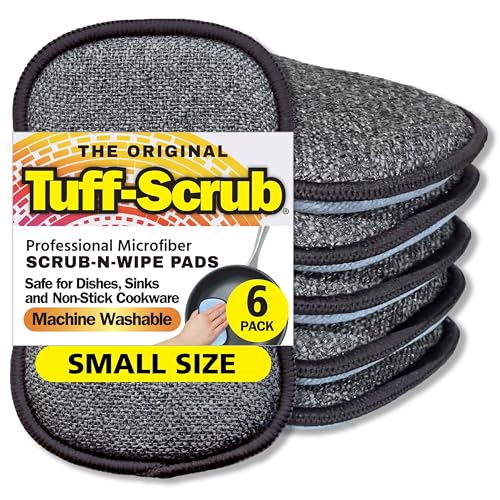
- Non-scratch microfiber scrub pads for porcelain sink
- Gentle soap or bathroom cleaner
- Soft cloths or microfiber towels
- Small cup for rinsing
- White vinegar or baking soda for mineral deposits (optional)


Before You Start
Before cleaning, remove personal items from the sink area to avoid spills on belongings. Ventilate the bathroom if using cleaners with stronger fragrances or fumes. Protect nearby surfaces with a damp cloth to catch drips. Time estimate: 15–25 minutes for a typical sink, longer for heavy buildup. Important: test cleaners on a hidden area first to ensure no discoloration or dulling occurs.
Step-By-Step: How To Clean A Bathroom Sink
- Remove items from the sink and rinse away loose debris with warm water.
- Apply a small amount of gentle bathroom cleaner or a mild dish soap to the microfiber pad or brush.
- Scrub the sink basin in circular motions, focusing on corners and drain area where grime collects.
- For mineral deposits, sprinkle baking soda and scrub with the non-scratch microfiber pad for porcelain sinks, then rinse.
- For tougher stains, lightly mist white vinegar on the affected area, wait a few minutes, then scrub gently and rinse.
- Wipe down the faucet rims and handles with a soft cloth to remove soap film and fingerprints.
- Rinse the entire sink thoroughly with clean water, ensuring no cleaner residue remains in the drain area.
- Dry the sink with a microfiber towel to prevent water spots and to reveal a bright finish.
- Inspect for remaining spots and repeat targeted scrubbing if needed.
- Dispose of used towels and wash brushes according to product recommendations to keep tools clean for next time.
- Place items back and consider adding a light weekly maintenance routine to prevent buildup.
- Optionally, wipe the surrounding counter with a damp microfiber cloth to extend the clean look.
Troubleshooting
| Symptom | Likely Cause | Fix | Prevention |
|---|---|---|---|
| Dull finish after cleaning | Harsh cleaner or abrasive scrubbing | Switch to non-abrasive pads and porcelain-safe cleaners | Use gentle products and follow manufacturer’s directions |
| Streaks or water spots | Residual soap or minerals | Rinse thoroughly and dry with microfiber cloth | Dry after each use; consider a weekly wipe-down |
| Scratches appear on porcelain | Rubbing too hard or using abrasive pads | Stop using rough pads; switch to non-scratch microfiber | Keep pads only on applied areas and test in hidden spot |
| Drain clogs after cleaning | Debris loosened during scrub | Rinse with warm water and use a gentle plunger if needed | Regularly clear hair and residues from drain area |
| Foul odor during cleaning | Standing water or trapped gunk | Ensure drain is clear; rinse and deodorize with mild cleaner | Clean the drain area more frequently |
Common Mistakes
- Using harsh abrasive pads on porcelain or enamel finishes
- Letting cleaner sit too long on the surface
- Skipping the rinse or leaving residue behind
- Using too much cleaner, which can streak or require extra rinsing
- Neglecting to dry the sink after cleaning, inviting water spots
Tips For Best Results
- Delegate a small zone: clean the basin, faucet, and rim in separate passes for thorough coverage.
- Use long-handle tools to reach hard-to-clean areas without bending or stretching.
- For hard water mineral buildup, alternate between baking soda paste and a vinegar rinse to avoid scratching.
- Keep a dedicated sink-cleaning kit handy with the three core tools to maintain routine cleaning.
- Schedule a weekly quick wipe to prevent heavy buildup and maintain shine.
Call A Professional
Consider contacting a professional if you notice persistent staining, deep scratches, or surface wear that affects the integrity of the finish. Stop signs include ongoing discoloration after repeated cleanings, bubbling or peeling of the finish, and any signs of underlying damage around the basin. A pro can assess whether refinishing or longer-term restoration is needed.
FAQ
What cleaner is safest for porcelain sinks?
Use a mild, non-abrasive bathroom cleaner or dish soap. Avoid harsh bleaches or acidic products on delicate porcelain finishes.
Can I use baking soda on all sinks?
Baking soda is generally safe for porcelain and many solid-surface sinks, but avoid applying to marble or natural stone without checking compatibility.
Are there tools that protect porcelain better than others?
Yes, non-scratch microfiber pads and long-handle brushes designed for porcelain help minimize scratches while providing effective cleaning.
How often should I clean my bathroom sink?
Weekly quick cleanings plus a deeper monthly scrub help maintain shine and prevent buildup.
What should I do if stains won’t come out?
Try a gentler cleaning approach first, then consider a specialized porcelain-safe stain remover, and if needed, seek professional refinishing guidance.
Buying Guide
When choosing cleaning tools for bathroom sinks, shoppers should consider several factors to balance effectiveness with surface safety.
Size And Ergonomics
Long-handled brushes help reach under the faucet and drain area without bending. Choose a handle length that fits your height and workspace comfortably.
Noise Level And Power
Electric scrubbers offer faster results but may be noisy or overpowered for delicate finishes. Select a model with adjustable speeds or a gentle mode for porcelain.
Surface Compatibility
Look for tools labeled safe for porcelain or enamel surfaces. Non-scratch microfiber pads reduce the risk of scratching sensitive finishes.
Cleaning Power And Versatility
Combination tools that include a soft brush and a non-abrasive pad provide flexibility for different stains and areas.
Ease Of Maintenance
Removable heads and easy cleaning of brushes extend tool life. Check for dishwasher-safe components if you prefer.
Placement And Storage
Store cleaning tools within easy reach in a designated cabinet or caddy. Keeping tools dry and organized helps maintain hygiene and readiness.
Leave a Reply