How to Clean a Baby Brezza Bottle Warmer
Maintaining a clean Baby Brezza bottle warmer helps ensure formula and milk taste stay fresh and reduces the risk of mold or mineral buildup. Regular cleaning is quick and simple with the right tools and a simple routine. Below is a practical, step-by-step guide designed for American households.
Follow these steps to keep the warmer hygienic, efficient, and ready for use with every feeding.
Quick Answer
What you’ll do: wipe down the exterior, descale periodically with descaler tablets, and scrub the interior with a bottle warmer cleaning brush set and microfiber cleaning cloth. Rinse thoroughly to remove any residue and dry before next use.
What You’ll Need
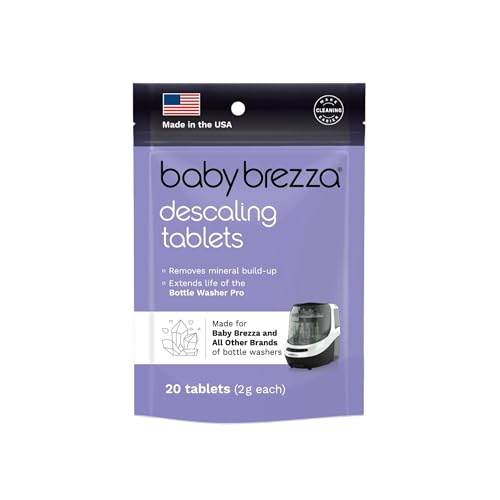
- Baby Brezza bottle warmer descaler tablets
- bottle warmer cleaning brush set
- microfiber cleaning cloth for baby bottle warmer
- clean, lukewarm water
- mild soap (optional for exterior)**


Before You Start
Prepare a clean, dry work surface and unplug the unit before cleaning. Empty any remaining water or formula from the reservoir. Do not submerge the warmer in water and avoid harsh abrasives that could scratch plastic or seals. Allow the device to cool if it was recently used. Expect a 15–25 minute cleaning window depending on routine. If you notice persistent odor or visible mineral buildup, schedule an extra cleaning session.
Step-By-Step: How To Clean A Baby Brezza Bottle Warmer
- unplug the warmer and remove any bottles or accessories, then wipe the exterior with a damp microfiber cleaning cloth for a quick surface refresh.
- Pour out the remaining hot water from the reservoir and rinse with clean lukewarm water.
- Mix the recommended amount of descaler tablets with water per the package directions and dissolve fully in the reservoir. Let it sit for a few minutes to loosen mineral buildup.
- Use the bottle warmer cleaning brush set to gently scrub interior surfaces, crevices, and the area where water flows. Focus on corners where residue tends to collect.
- Rinse the reservoir thoroughly with clean water to remove any descaler residue. Repeat until the water runs clear.
- Fill the reservoir with fresh water and run a short warming cycle (no bottle) to ensure any remaining cleaner is flushed from the system.
- Wipe the exterior again with a microfiber cloth, paying attention to buttons and the lid seam. Dry with a clean cloth if needed.
- Inspect the heating plate and seals for signs of wear or damage. If you notice cracks or pooling water, discontinue use and contact support.
- Reassemble, run a quick test with a bottle, and verify the warmer maintains proper temperature without overheating.
- Schedule routine cleanings every 1–2 weeks, or more often in areas with hard water or high mineral content.
- For stubborn mineral buildup, repeat the descaling cycle or use a dedicated cleaner compatible with baby gear, following the product instructions.
- Store the device in a dry place when not in use to prevent mold growth and keep the surface clean.
Troubleshooting
| Symptom | Likely Cause | Fix | Prevention |
|---|---|---|---|
| Unpleasant odor after cleaning | residual cleaner or mineral buildup | Run an additional rinse cycle with clean water | Regular descaling and thorough rinsing |
| Water not heating properly | Mineral deposits in heating element | Descale according to tablet instructions and rinse | Frequent short clean cycles |
| Slow dispensing or clogs | Residue in dispense channel | Clean with brush and flush with water | Pre-clean bottles and wipe nozzle |
| Leakage around seals | Worn seals or loose parts | Inspect and replace if needed | Gentle handling, avoid over-tightening |
Common Mistakes
- Using harsh cleaners or abrasive tools that scratch surfaces
- Forgetting to flush the system after descaling
- Skipping exterior cleaning and letting spills dry on the housing
- Leaving water in the reservoir for long periods, which can harbor mold
Tips For Best Results
- Use microfiber cleaning cloth for baby bottle warmer after each feeding to prevent residue buildup.
- Run a quick rinse cycle after every few uses if you live in areas with hard water.
- Keep the cleaning brush set handy near the kitchen to streamline routine maintenance.
- Label a regular cleaning schedule on the kitchen calendar to stay consistent.
Call A Professional
Stop and contact a professional if you notice persistent leaks, unusual noises, or the warmer fails to operate after cleaning. Do not attempt internal repairs yourself, as this could void the warranty or pose safety risks.
FAQ
How often should I descale the Baby Brezza bottle warmer?
Descale every 1–2 weeks or more often if you have hard water or notice mineral buildup.
Can I use any descaler tablets with the warmer?
Use descaler tablets recommended by the manufacturer or specifically labeled safe for baby gear descaling.
Is it safe to rinse with plain water after descaling?
Yes, rinse thoroughly until all cleaner residue is gone before the next use.
What should I do if the warmer won’t start after cleaning?
Unplug, reassemble, and attempt a basic reset. If it still won’t start, contact customer support.
Buying Guide
When choosing accessories and maintenance tools for a Baby Brezza bottle warmer, consider several factors to ensure efficient cleaning and long-term use.
- Size and capacity: Ensure the unit fits the space and handles your bottle sizes comfortably.
- Noise level: A quieter warmer is beneficial for late-night feedings.
- Energy efficiency: Look for energy-saving modes or minimal standby power usage.
- Controls: Simple, intuitive controls reduce cleaning errors and improve user experience.
- Placement: Place on a stable, level surface away from heat sources and water spills.
- Cleaning accessories: A compatible bottle warmer descaler tablets kit, a dedicated cleaning brush set, and a microfiber cleaning cloth create a complete care package.
Choosing compatible tools helps keep the warmer sanitary and reliable. Do you prefer a compact, single-tool approach or a full cleaning kit with multiple brushes and cloths? A tailored kit can simplify routine maintenance and extend the product’s life.
Leave a Reply