How to Clean Artichokes: Simple Steps for Fresh, Tender Hearts
Artichokes are a delicious, nutrient-packed addition to many dishes, but cleaning them can be tricky if you’re new to this veggie. This guide breaks down a practical, step-by-step process to prep artichokes safely and efficiently, using common kitchen tools and a few specialty gadgets for best results.
Whether you’re preparing a quick side dish or assembling a more elaborate centerpiece, knowing how to clean artichokes helps you maximize flavor and minimize waste. The method below emphasizes straightforward techniques you can replicate at home, with expert tips to avoid browning and preserve the delicate heart.
Quick Answer
Clean artichokes in six simple steps: trim the stem, remove tough outer leaves, cut the top, scoop out the chokes, rinse, and finish by steaming or boiling until tender. A stainless steel artichoke trimming knife speeds the process, and a 9-inch artichoke steamer basket ensures even cooking.
What You’ll Need
- Artichoke trimming knife stainless steel for clean, precise cuts
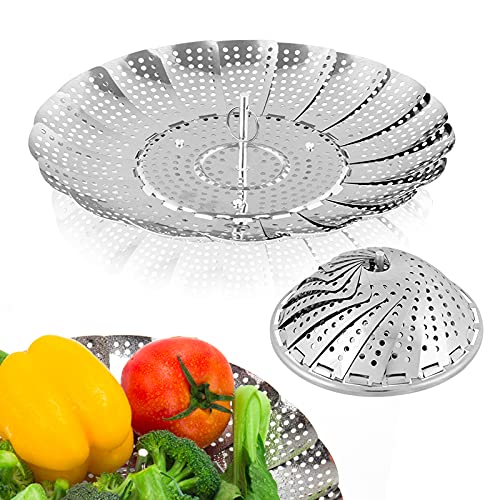
- Artichoke steamer basket stainless steel 9-inch for steady, even steaming
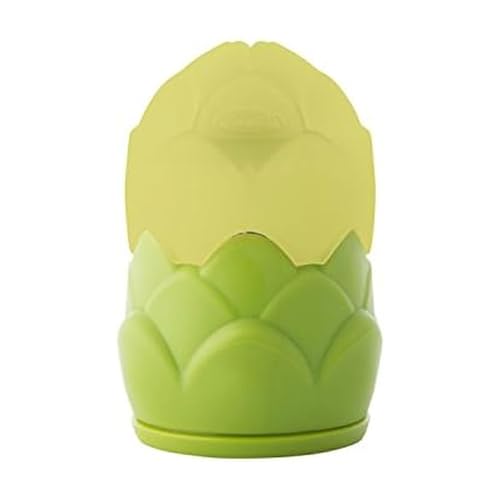
- Artichoke heart remover corer tool to easily access the tender heart
- Fresh water and a bowl of lemon water (to prevent browning)
- Sharp kitchen scissors or a small paring knife
- Colander or towel for drying

Before You Start
Set up a clean workspace with a stable cutting board. Prepare a bowl of cold lemon water to instantly dip cut surfaces and prevent oxidation. Wear kitchen-safe gloves if you have sensitive skin, as artichokes can be prickly beneath their outer leaves. Time estimate for a small batch (4–6 artichokes): 15–25 minutes. For larger batches, add 5–10 minutes. Safety note: handle a sharp knife with care, and keep small children away from the workspace.
Step-By-Step: How To Clean Artichokes
- Rinse each artichoke under cool running water to remove surface dirt.
- Trim the stem to about 1–2 inches, then snap off the tougher outer leaves at the base with your fingers.
- Using the artichoke trimming knife stainless steel, cut about 1 inch from the top to remove the spiky tips of the leaves.
- With kitchen scissors, trim the remaining leaf tips, discarding the sharp edges.
- Slice the artichoke in half lengthwise to expose the choke (the hairy center). Use the artichoke heart remover corer tool to remove the fuzzy choke in each half.
- Immediately place the cleaned halves in lemon water to prevent browning while you finish the batch.
- Fill a pot with 1–2 inches of water and set a artichoke steamer basket stainless steel 9-inch inside. Bring to a simmer.
- Place the artichokes cut-side down in the steamer basket. Cover and steam until the bases are tender when pierced with a knife, about 15–20 minutes for medium artichokes.
- Remove from heat, drain, and let cool briefly. Pat dry with a towel.
- Trim any remaining tough outer leaves if needed. Serve warm with lemon wedges or a dip of choice.
- Storage tip: store unseasoned, cleaned artichokes in lemon water in the refrigerator for up to a day. For longer storage, freeze cooked artichokes in an airtight container.
Troubleshooting
| Symptom | Likely Cause | Fix | Prevention |
|---|---|---|---|
| Browning on cut surfaces | Air exposure; metal reaction | Dip immediately in lemon water; use stainless steel tools | Prepare lemon water bath before cutting |
| Leaves stay tough after steaming | Artichokes were not fully cleaned; choke not removed | Ensure thorough leaf trimming and choke removal | Take time with the center before steaming |
| Uneven cooking | Artichokes of different sizes | Sort by size and cut larger artichokes into similar halves | Evenly sized produce; consistent steam depth |
Common Mistakes
- Skipping the lemon water soak, which causes quick browning
- Using a dull knife that crushes rather than cleanly trims
- Overcrowding the steamer basket, leading to uneven cooking
- Not removing the choke, resulting in a fibrous bite
Tips For Best Results
- Choose artichokes with tightly packed leaves and a firm stem for best texture.
- Vent steam by keeping the lid slightly ajar if you notice excess condensation.
- Experiment with seasonings in the steam water, such as lemon slices or garlic, for extra flavor.
- Cool briefly after steaming to halt the cooking process and maintain a tender heart.
- Use the artichoke heart remover corer tool to speed up heart preparation without shredding.
Call A Professional
Professional help is typically unnecessary for home cooks. Seek assistance if you encounter:
- Persistent difficulty trimming or removing the choke due to extremely large or tough artichokes
- Unfamiliar equipment malfunctions that affect safety, such as damaged knives or steaming hardware
- Allergies or specific medical concerns related to vegetables and kitchen tools
FAQ
How do I tell when artichokes are fresh?
Fresh artichokes have tightly packed leaves, a compact choke, and a firm stem. Avoid artichokes with soft spots or yellowing leaves.
Can I eat the choke?
The choke is typically removed for tenderness. The inner heart is the preferred edible part; the choke is usually discarded when preparing standard dishes.
Is steaming better than boiling?
Steaming preserves texture and flavor better, especially for larger artichokes, while boiling is faster but can dilute taste.
How long can cleaned artichokes be stored?
Uncooked cleaned artichokes can be held in lemon water in the fridge for up to 24 hours; cooked ones can be refrigerated for 2–3 days.
What are good dipping options?
Lemon butter, simple vinaigrette, or a light aioli complement artichokes well without masking their flavor.
Do I need special equipment?
Basic tools work, but the stainless steel trimming knife, steamer basket, and heart remover improve safety and efficiency.
Buying Guide
When selecting tools and equipment for cleaning artichokes, consider the following factors to optimize performance and value.
- Size and design of the steamer basket: A 9-inch basket fits standard pots and balances steam distribution for even cooking.
- Knife quality: A dedicated artichoke trimming knife stainless steel with a comfortable grip reduces slips and speeds trimming.
- Heart remover tool: A precise corer simplifies removing the choke without damaging the heart.
- Material durability: Stainless steel components resist corrosion and hold sharp edges longer than cheaper options.
- Ease of cleaning: Smooth surfaces and simple designs minimize residue buildup after use.
- Storage footprint: Pick compact tools if kitchen space is limited, but ensure they’re sturdy enough for regular use.
- Compatibility: Ensure tools work well with your pots and steamer setup for seamless workflow.
Interested in upgrading your setup? Consider whether you prefer a single versatile toolset or a few dedicated gadgets. Do you steam often, or do you also prepare other vegetables in a similar fashion? A few well-chosen stainless steel tools can simplify the process and last for years.
Leave a Reply