How to Clean Artichoke Hearts: A Simple Guide
Artichoke hearts are a versatile ingredient in salads, pastas, and antipasti. Cleaning artichoke hearts properly removes the tough outer leaves and the fuzzy choke, revealing tender, ready-to-use hearts. This guide walks through safe preparation and efficient tools to make the process quick and reliable.
Quick Answer
Use a sharp artichoke knife or corer to trim the stem, remove tough outer leaves, and scoop out the fuzzy choke. Steam or boil briefly until tender, then drain and pat dry. A dedicated artichoke heart remover tool can speed the core removal, while a stainless steel knife offers clean, precise cuts. For steaming, a pot with a built-in basket ensures even heat.
What You’ll Need
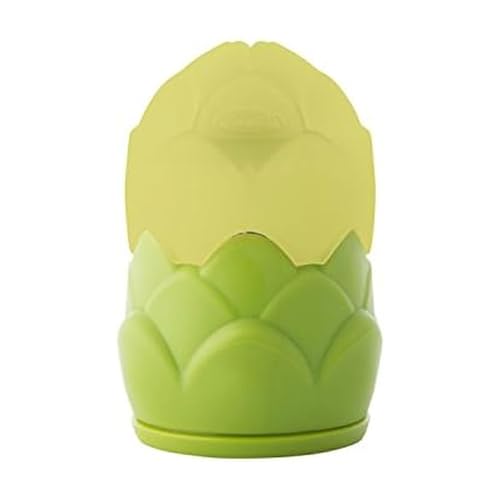
- Artichoke heart remover tool corer
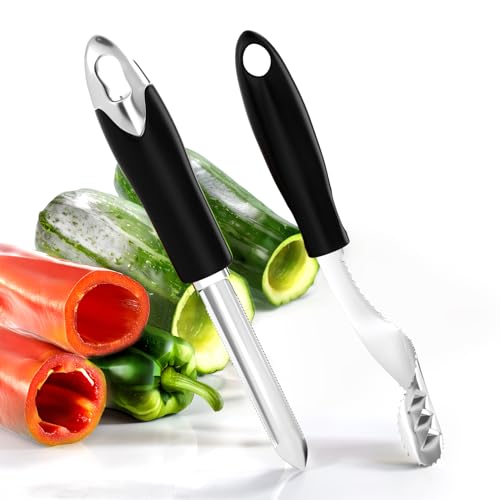
- Artichoke knife corer stainless steel
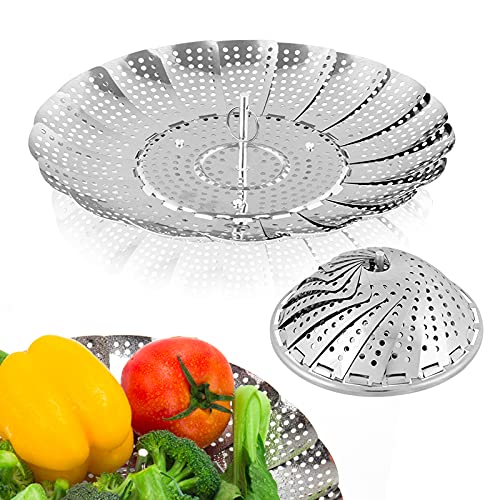
- Artichoke steamer pot with basket
Before You Start
Choose firm, medium-sized artichokes with tightly closed leaves. Rinse them under cool running water to remove any dirt. Prepare a bowl of lemon water to prevent discoloration as you work. Safety note: keep knives sharp and cut away from the hand. Time estimates vary: plan 10–15 minutes for prep per batch, plus 10–15 minutes for steaming or boiling.
Step-By-Step: How To Clean Artichoke Hearts
- Rinse the artichokes and trim the stem so they sit flat on the cutting board.
- Snap or trim away the tough outer leaves near the base until you reach their pale, tender heart.
- Cut off the top third of the artichoke to remove the thorny tips.
- Use an artichoke knife corer stainless steel to scoop out the fuzzy choke just above the heart.
- Remove any remaining brown or discolored bits from around the heart.
- Drop the cleaned artichoke halves in lemon water to prevent browning while you finish the batch.
- Optionally, cut the hearts into bite-sized quarters for even cooking or salads.
- Steam or boil the hearts in a steamer pot with basket until tender, about 6–10 minutes for hearts, longer if larger.
- Drain well and pat dry before using in your recipe.
- Cool completely if not using immediately, then refrigerate up to 3–5 days or freeze for longer storage.
- Rinse and dry the knife and tools after use to maintain sharpness and cleanliness.
- Clean the pot and basket promptly to prevent staining and maintain performance.
Troubleshooting
| Symptom | Likely Cause | Fix | Prevention |
|---|---|---|---|
| Discoloration on the heart | Exposure to air | Submerge in lemon water during prep | Work quickly and keep artichokes coated |
| Heart feels tough after cooking | Under-steamed | Steam longer in 2–3 minute increments | Test tenderness with a knife |
| Leaves don’t release easily | Stems or outer leaves still attached | Re-trim and re-core with a sharp tool | Inspect each piece before cooking |
| Tools feel dull | Frequent use without sharpening | Sharpen or replace blades; clean promptly | Clean after each batch to prevent residue |
Common Mistakes
- Not removing the fuzzy choke completely, which can affect texture and taste
- Overly long boiling, making hearts mushy
- Using dull knives that crush the artichoke instead of slicing cleanly
- Letting cut surfaces dry out before cooking, which reduces flavor
- Neglecting to prevent browning with lemon water during prep
Tips For Best Results
- Choose artichokes with tight, compact centers; they yield the most tender hearts.
- Keep a dedicated artichoke knife corer on hand for quick core removal.
- Pat the hearts dry after cooking to avoid excess moisture in salads or sauces.
- For a milder flavor, blanch briefly in boiling water before final cooking.
- Cool and refrigerate promptly to preserve color and texture.
Call A Professional
Artichoke preparation is straightforward and typically does not require professional help. Seek a professional if you encounter persistent discoloration that won’t subside after lemon treatment, or if you need guidance on incorporating artichoke hearts into a complex dish with specific texture requirements.
FAQ
Can I use canned artichoke hearts instead of fresh?
Yes, canned hearts are convenient but naturally have a different texture and flavor. Rinse well and pat dry before use.
How do I prevent artichokes from browning?
Immediately place cut surfaces in lemon water or stir in a small amount of acidulated water until ready to cook.
What is the best way to store cleaned artichoke hearts?
Store in an airtight container in the refrigerator for up to 3–5 days, or freeze for longer storage.
Are there knives specifically designed for artichokes?
Yes, artichoke knives offer precise cuts and can include corers to remove the choke efficiently.
Can I freeze artichoke hearts after cleaning?
Yes, blanch briefly before freezing to preserve color and texture for longer storage.
Buying Guide
When choosing tools and equipment for cleaning artichoke hearts, consider size, material, and compatibility with your kitchen workflow. A good artichoke steel knife or corer should feel balanced in hand and stay sharp through multiple batches. A steamer pot with a basket provides consistent steaming and easy removal of the hearts without overboiling. Look for multi-piece sets that include a stand-alone coring tool and a dedicated steamer basket for efficiency. If storage space is limited, choose compact equipment that cleanly nests together.
Size and use: Smaller artichokes often yield small hearts with delicate texture, while larger ones require longer prep and cooking. For salads and antipasti, uniform heart size matters for even presentation. Noise level and energy efficiency are practical concerns in busy kitchens; choose steamers with energy-efficient designs and quiet operation if available.
Controls and placement: A simple stove-top setup is reliable for most cooks. If you prefer electric options, ensure the steamer pot is compatible with your stove and has a stable base. Place the pot on a flat surface away from edges to prevent tipping. For herbaceous recipes, consider a heart-friendly cutting board with ample workspace to improve safety and speed.
Incorporating these guidelines helps ensure clean, tender artichoke hearts ready for a wide array of dishes. Ready-to-use preparation reduces prep time in meal planning and supports a broader range of recipes in American kitchens.
Leave a Reply